- Home
- LEATHER SKINS
- Split leather skins
split leather skin
56 products
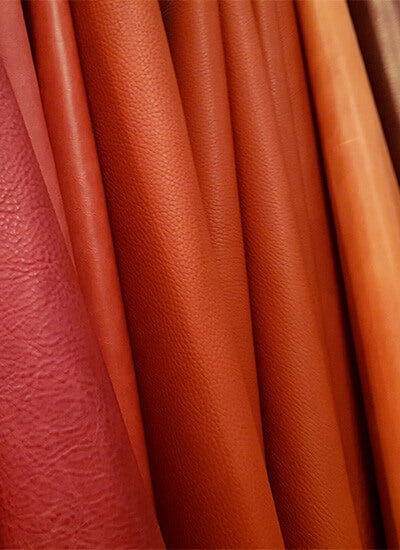
Split leather is approached differently from full-grain leather. Here, the surface does not reflect the natural appearance of the hide, but rather the treatment applied. The touch, light, color, and uniformity take precedence over the natural reading of the leather.
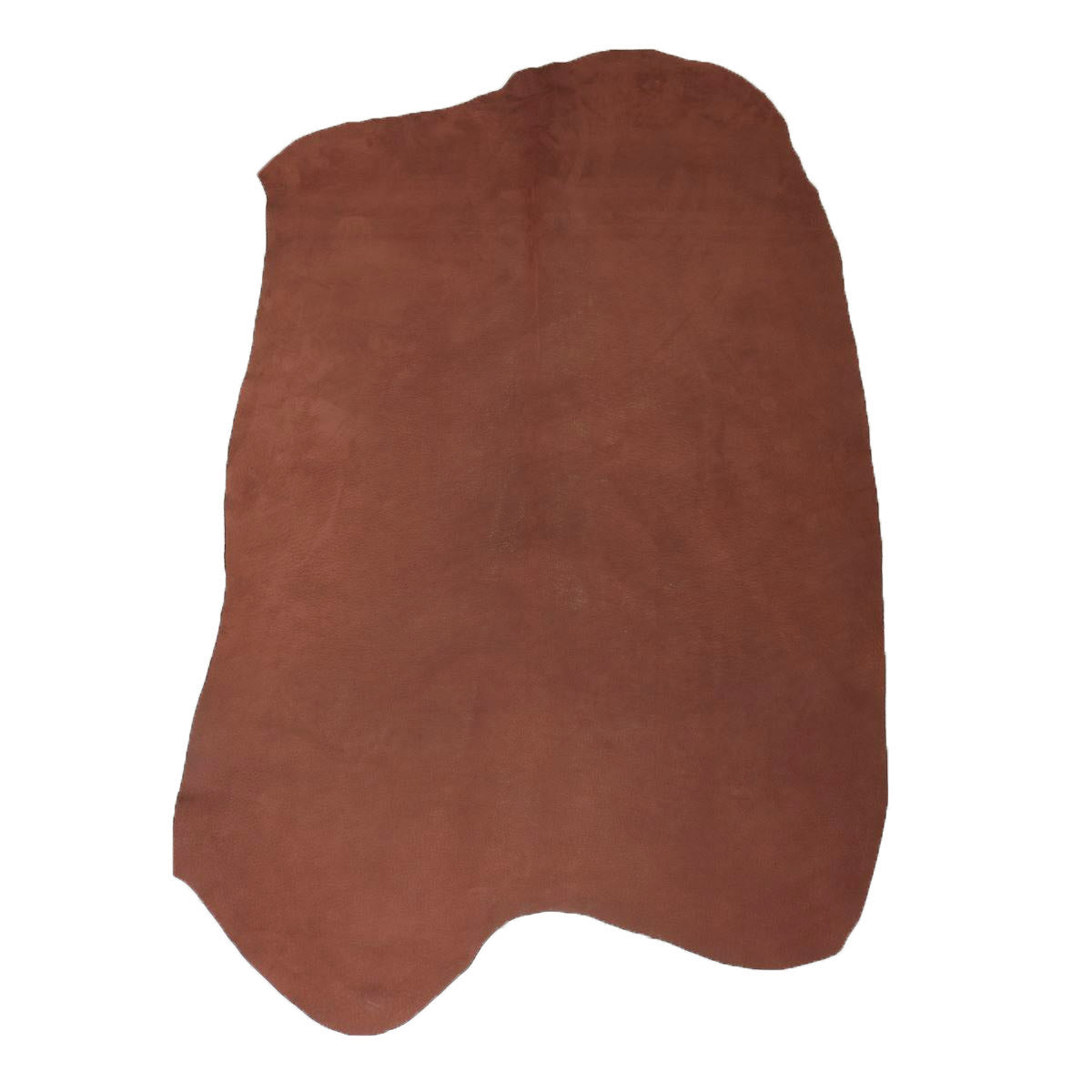
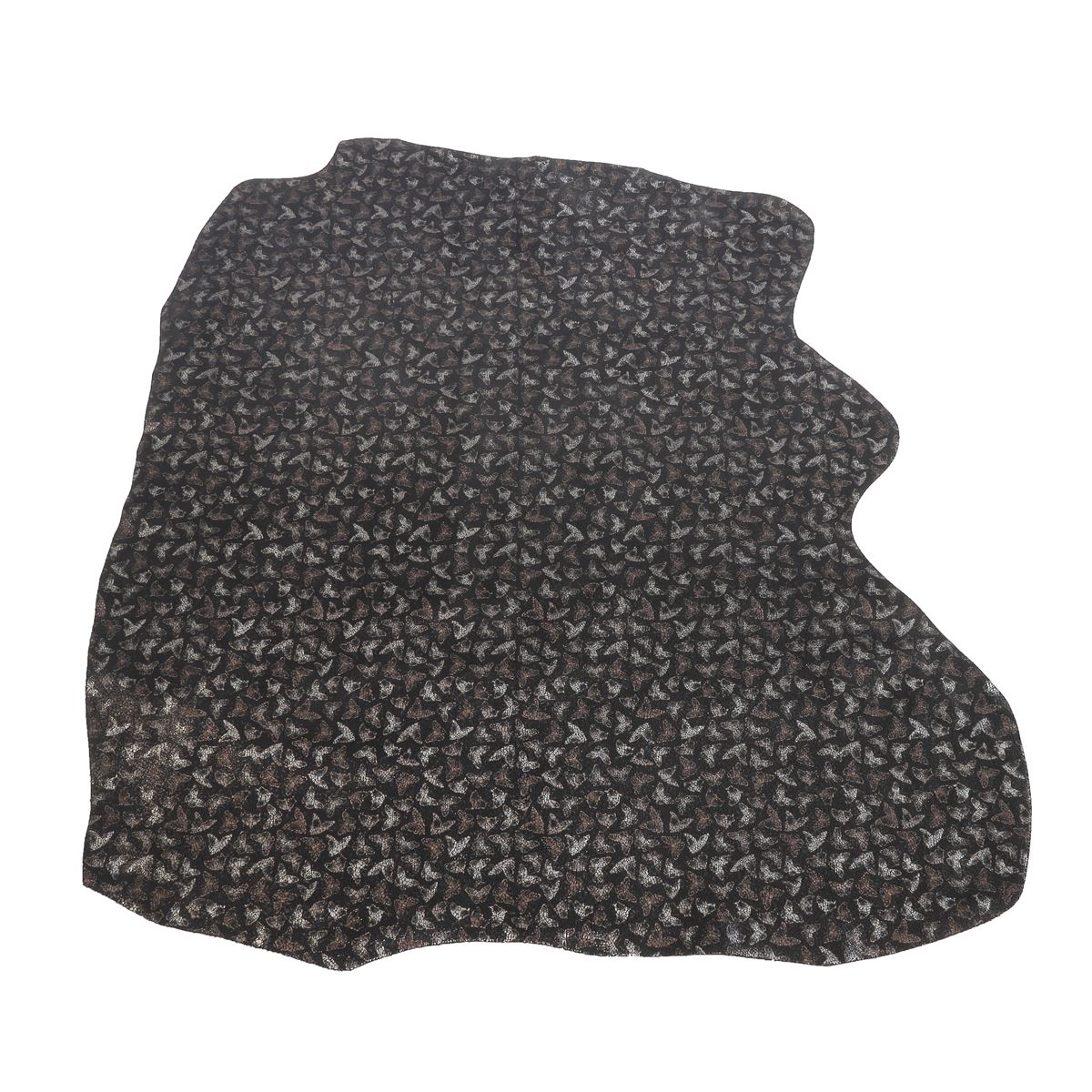
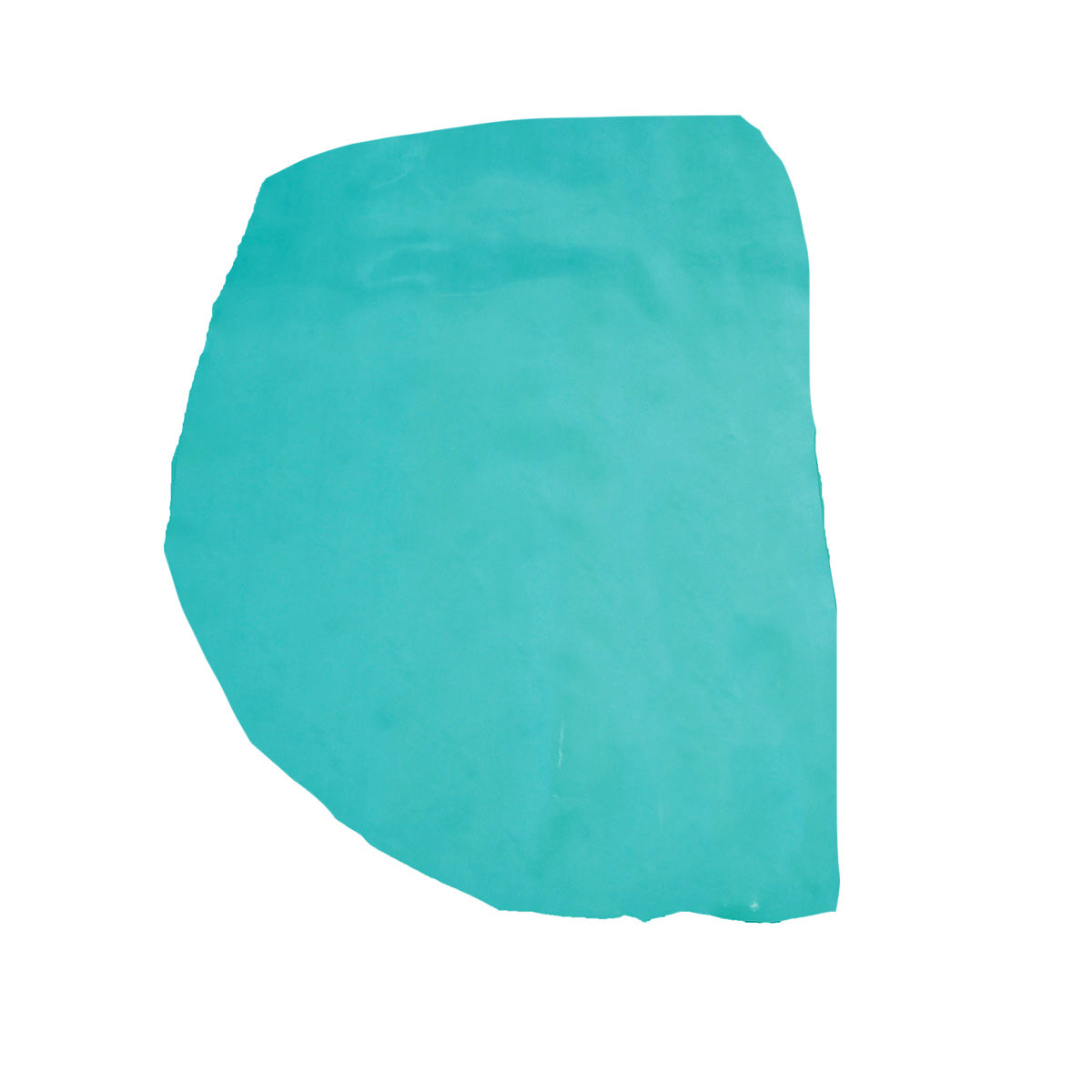
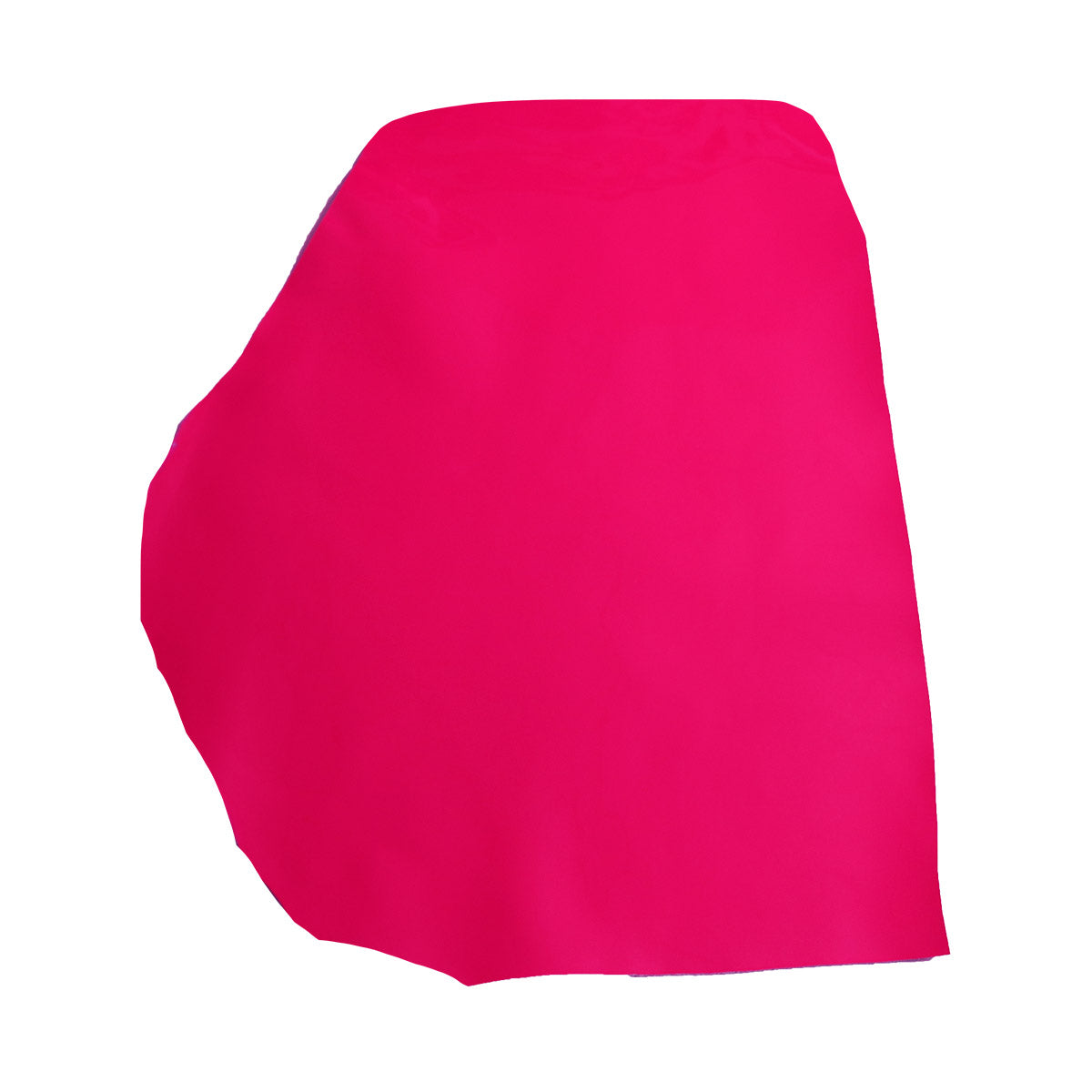
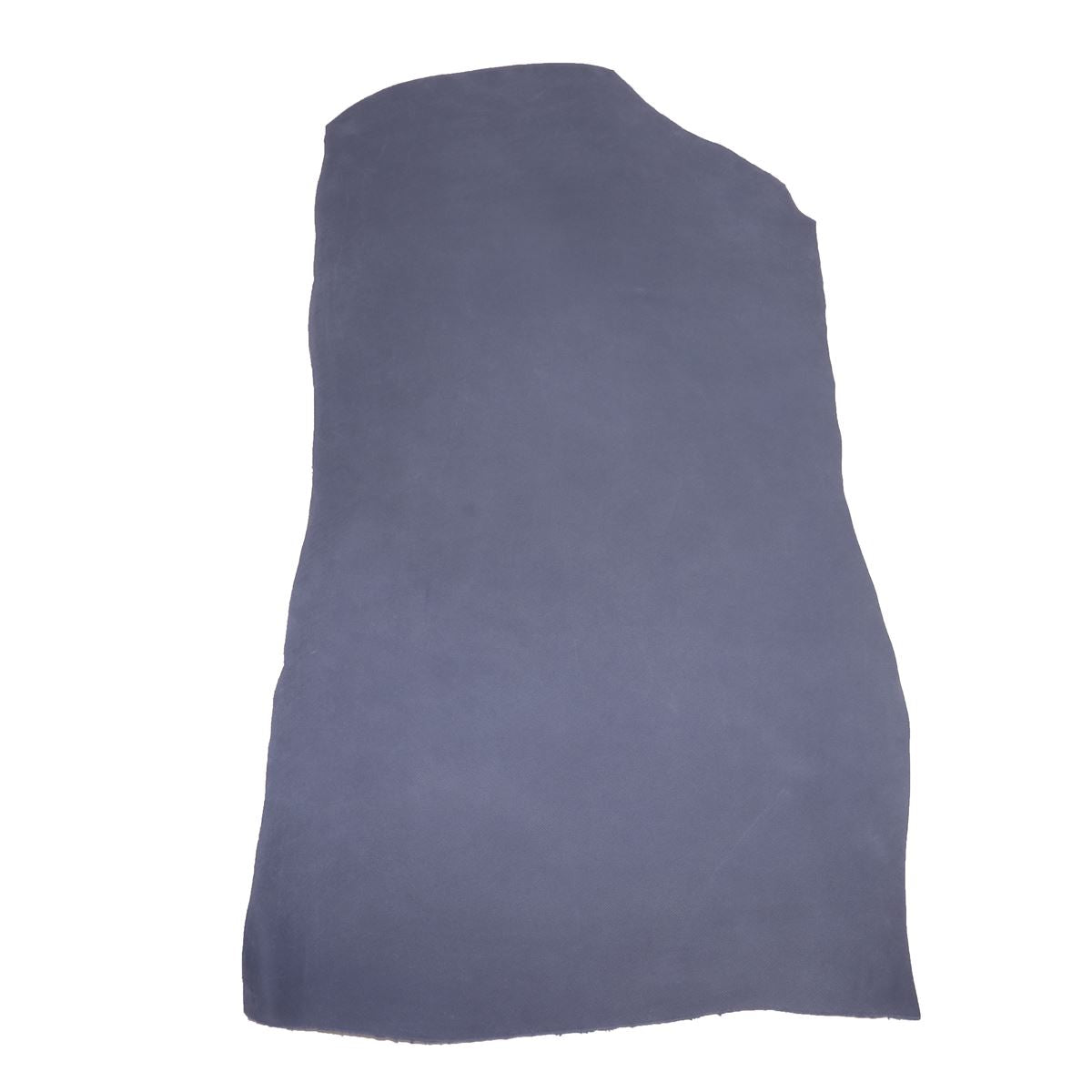
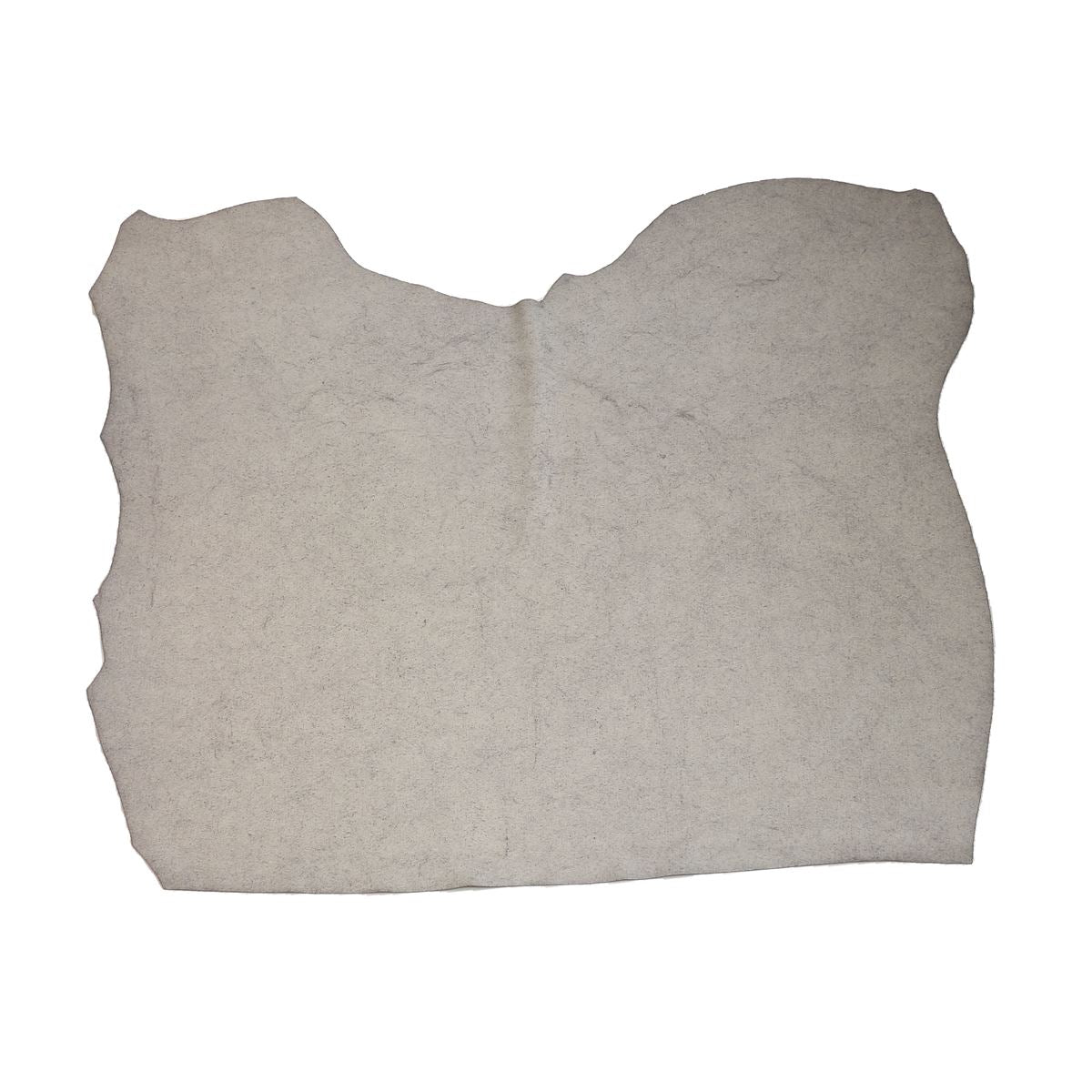
Whether calfskin or pigskin, the split leather presented on Deco Cuir is available in whole hides. Surfaces vary widely, as do the finishes. Suede, coated, or patent, each version implies a different behavior and guides the project from the outset.
A material chosen for what it shows
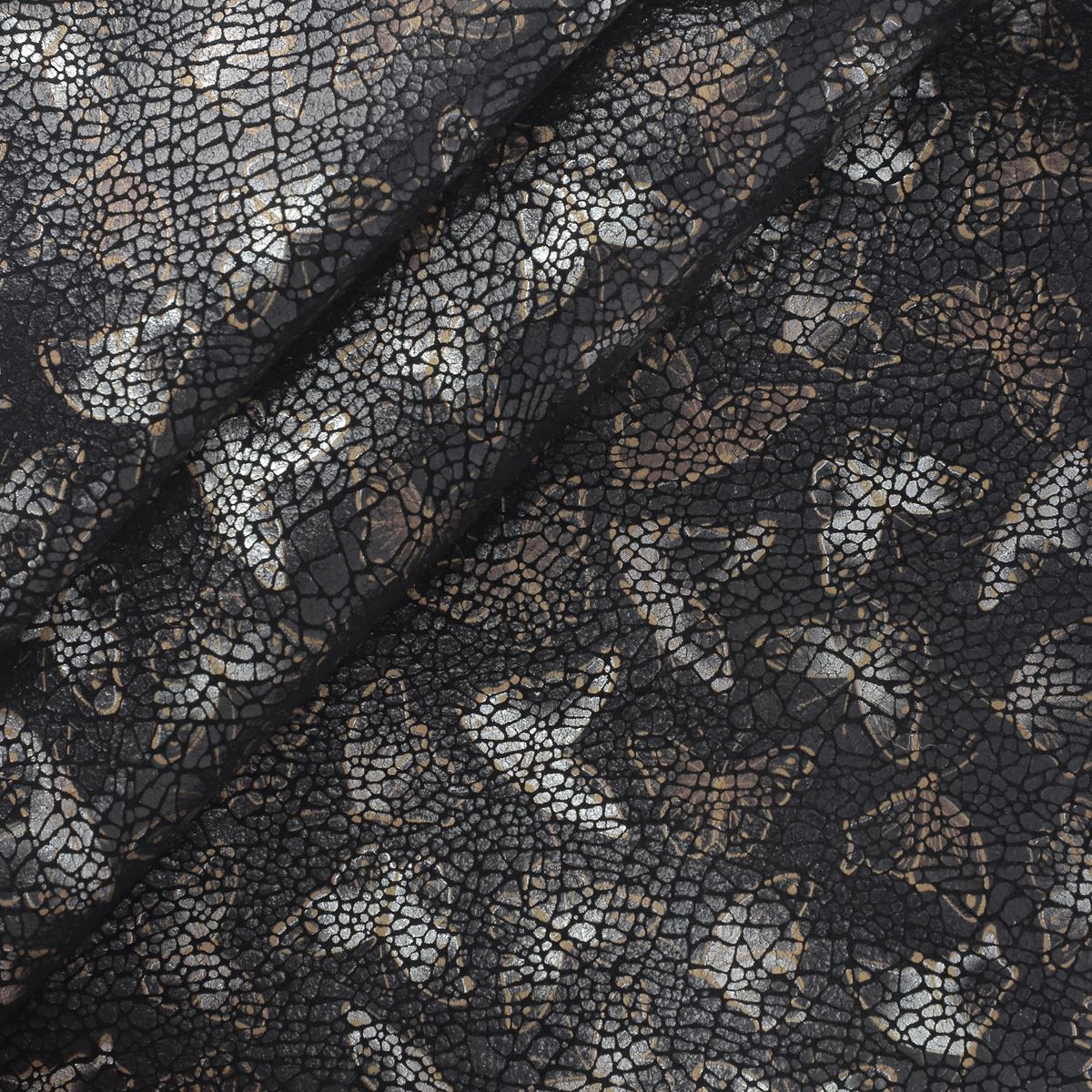
Split leather does not seek to conceal its origin. It offers a transformed surface, sometimes more visually pronounced. This choice opens up a wider visual field. The material accepts strong textures, bold colors, and decorative effects that would be less noticeable on full-grain leather.
This positioning directly influences its use. Split leather is used for pieces where the visual aspect remains stable over time, without seeking a natural patina, such as accessories, decorative elements, or surfaces exposed from the start. It accompanies projects where the surface defines the object, regardless of progressive aging or natural grain.
Suede: an open, matte, and tactile surface
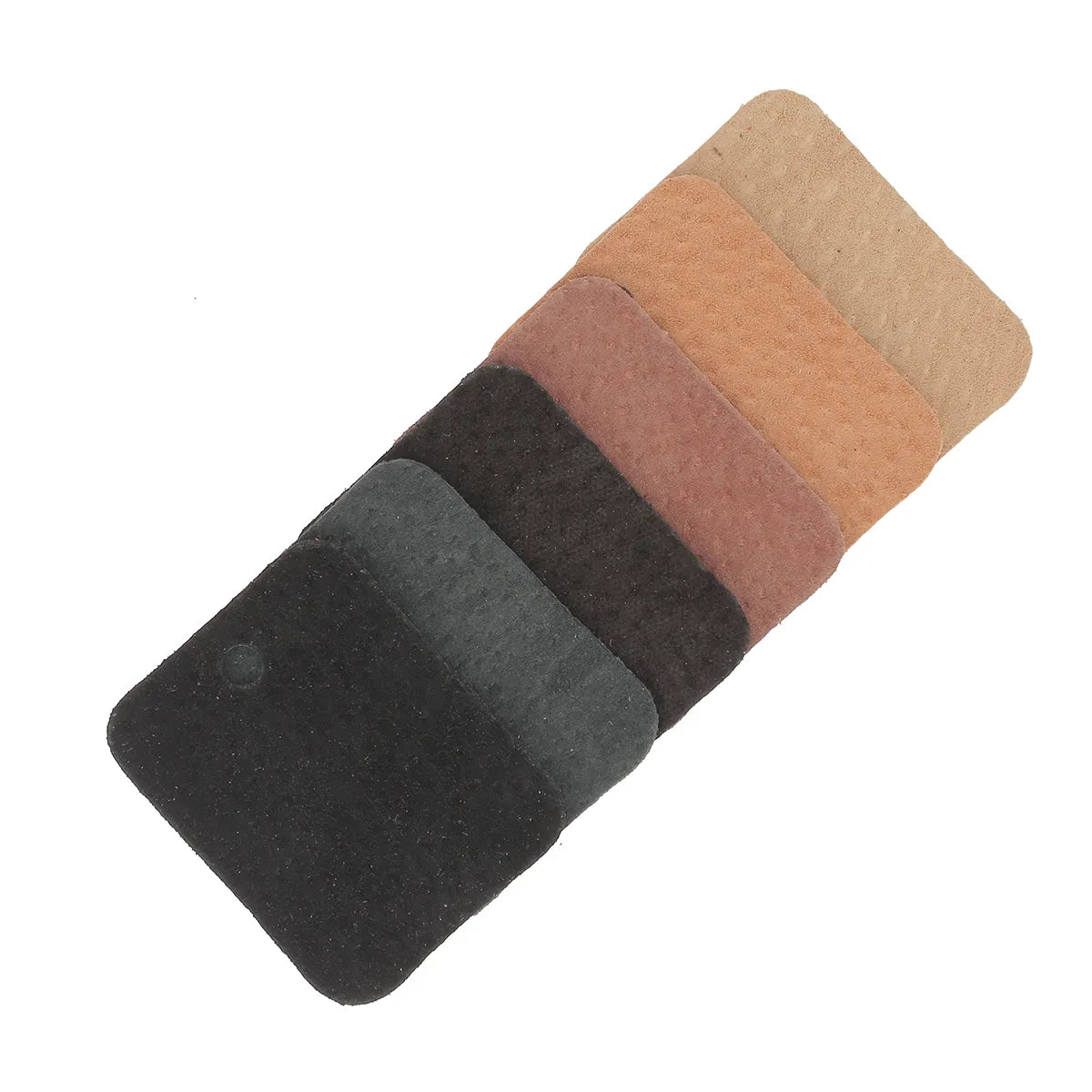
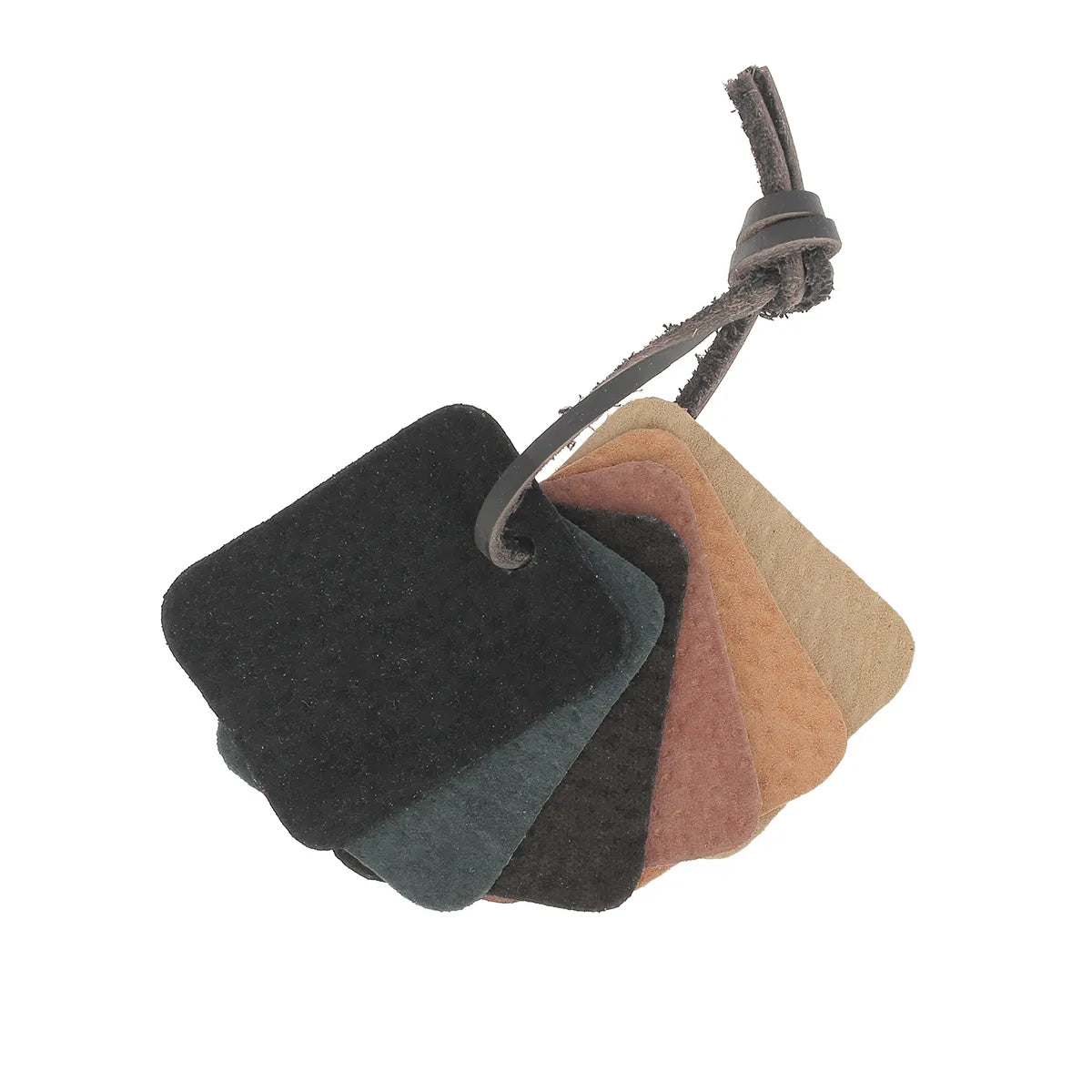
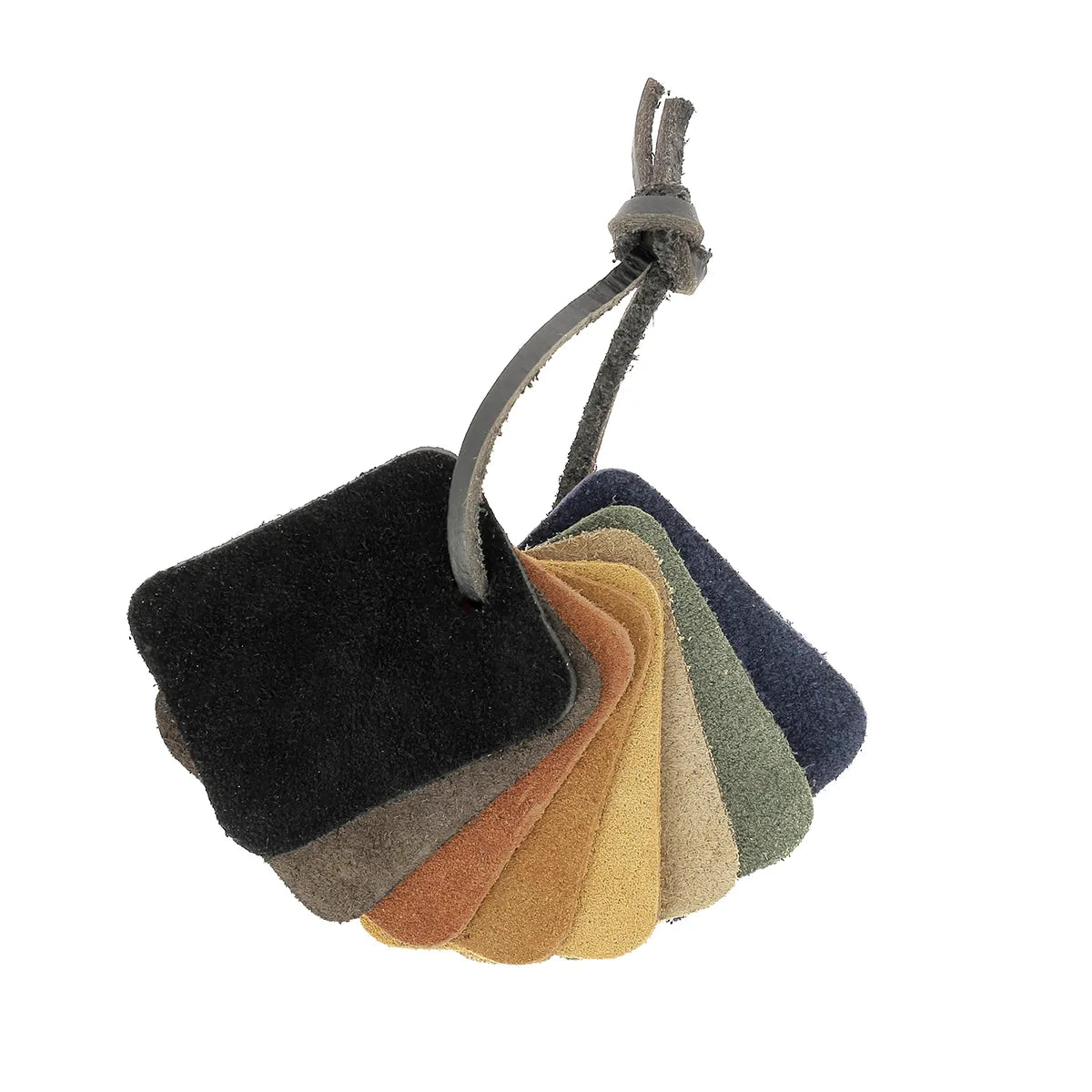
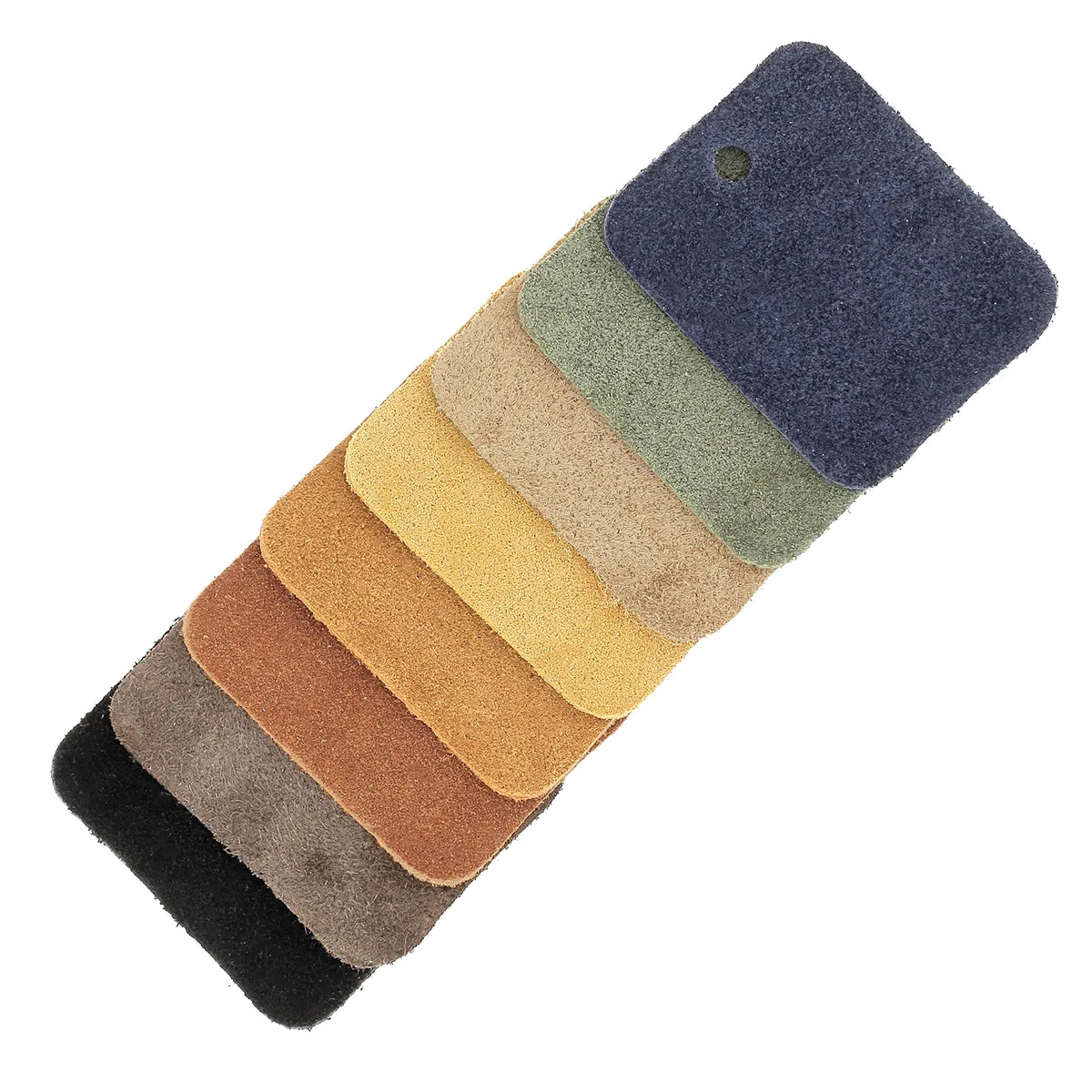
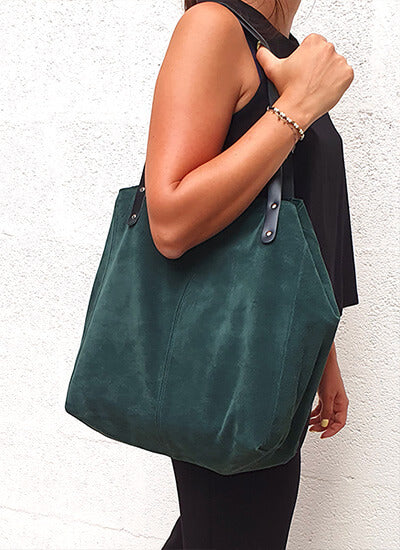
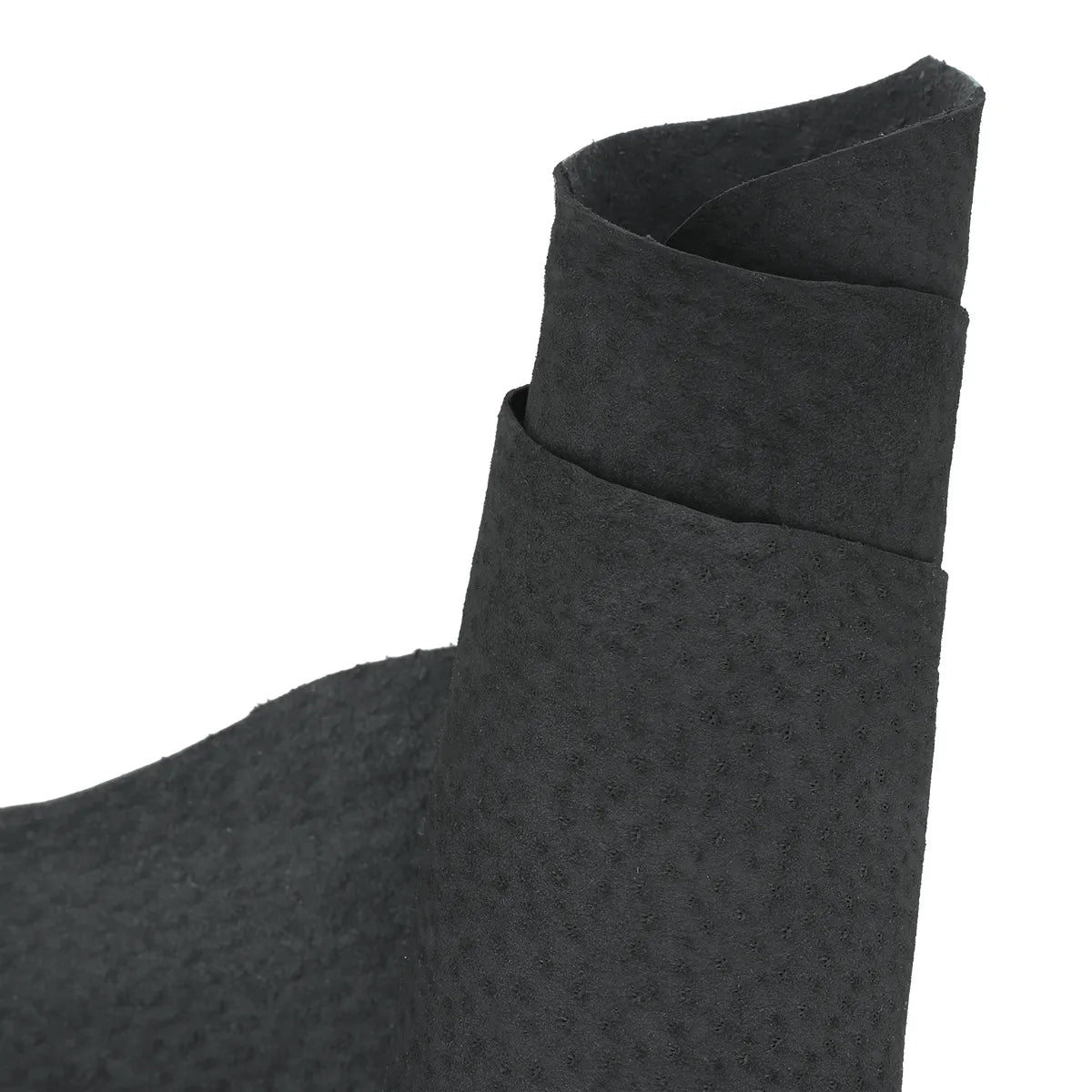
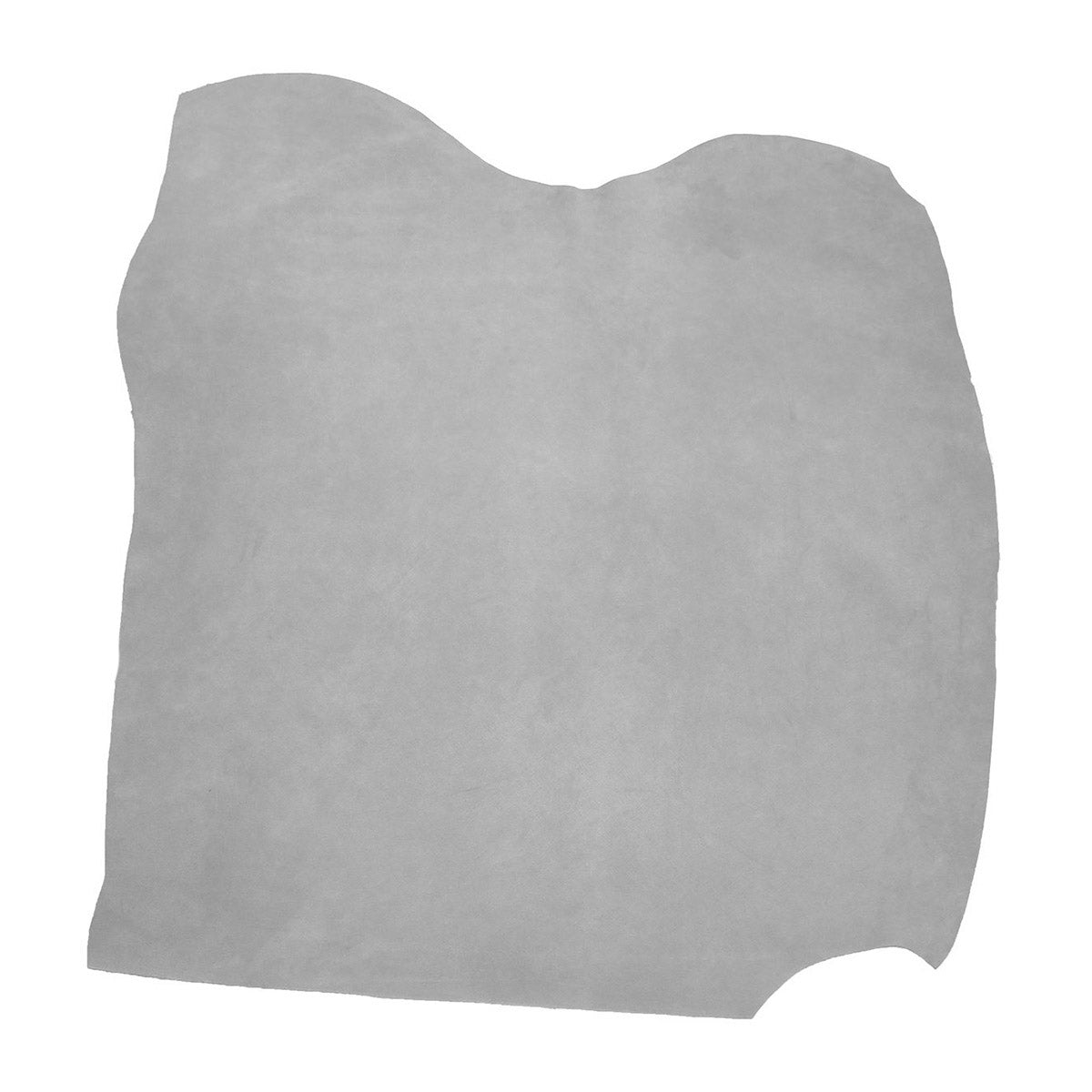
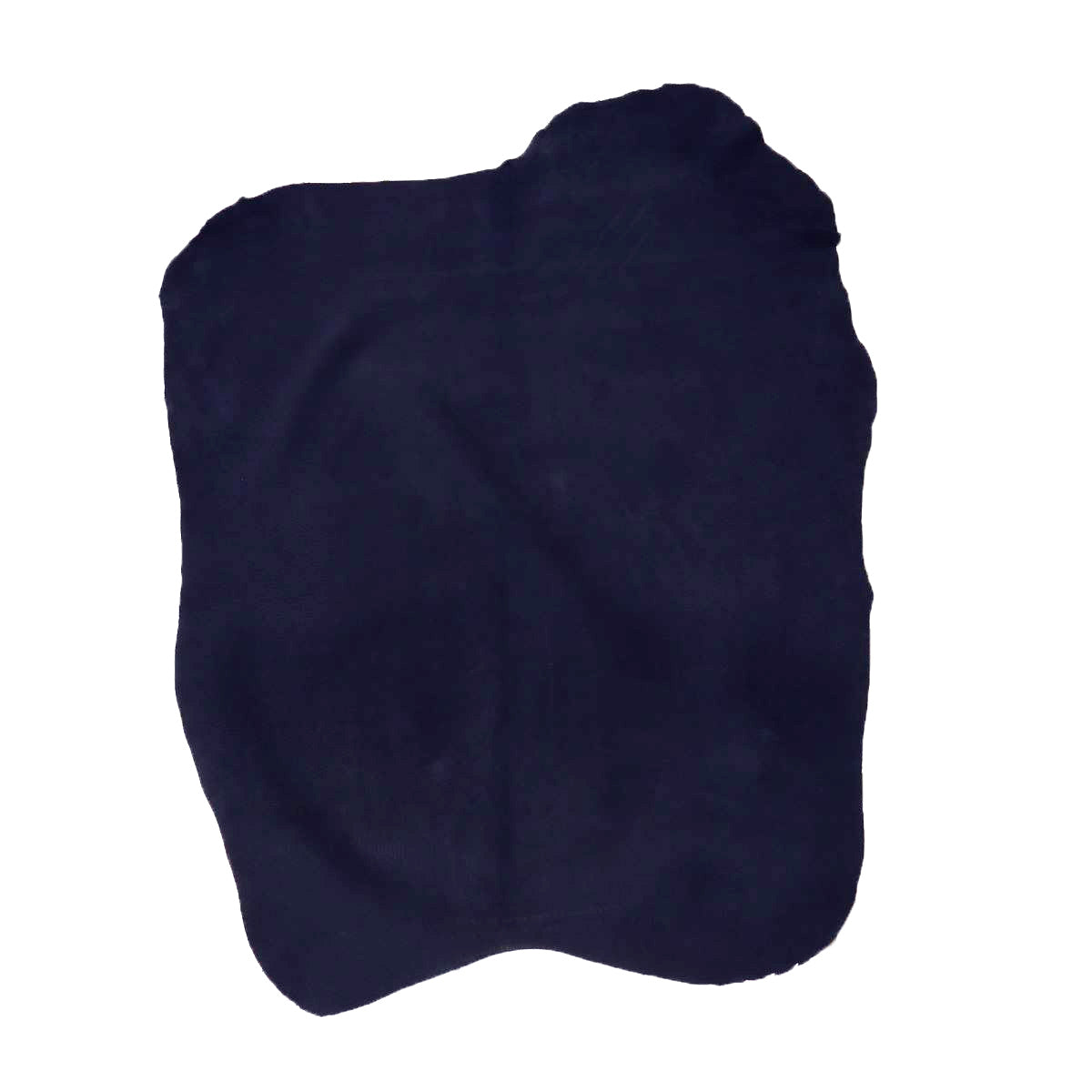
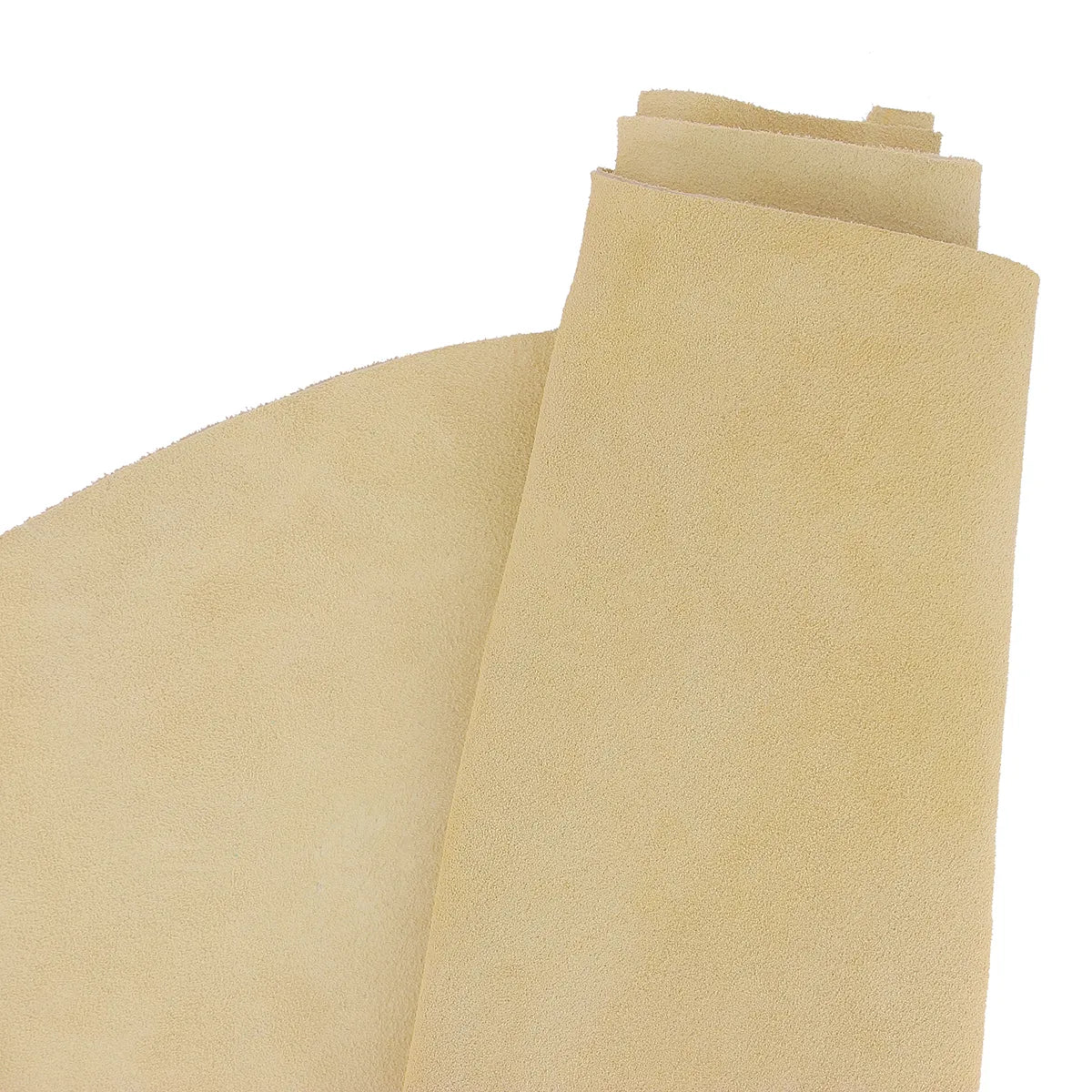
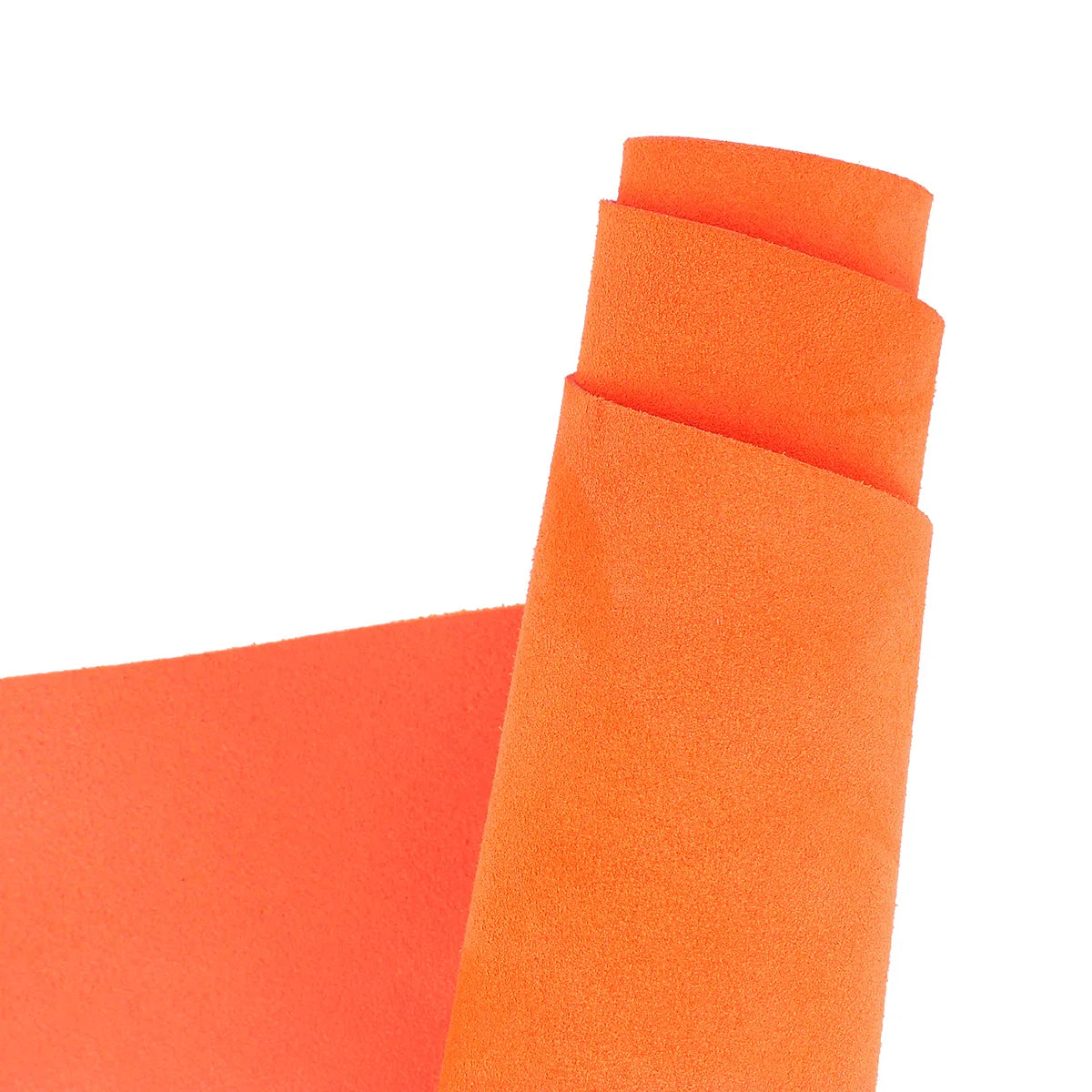
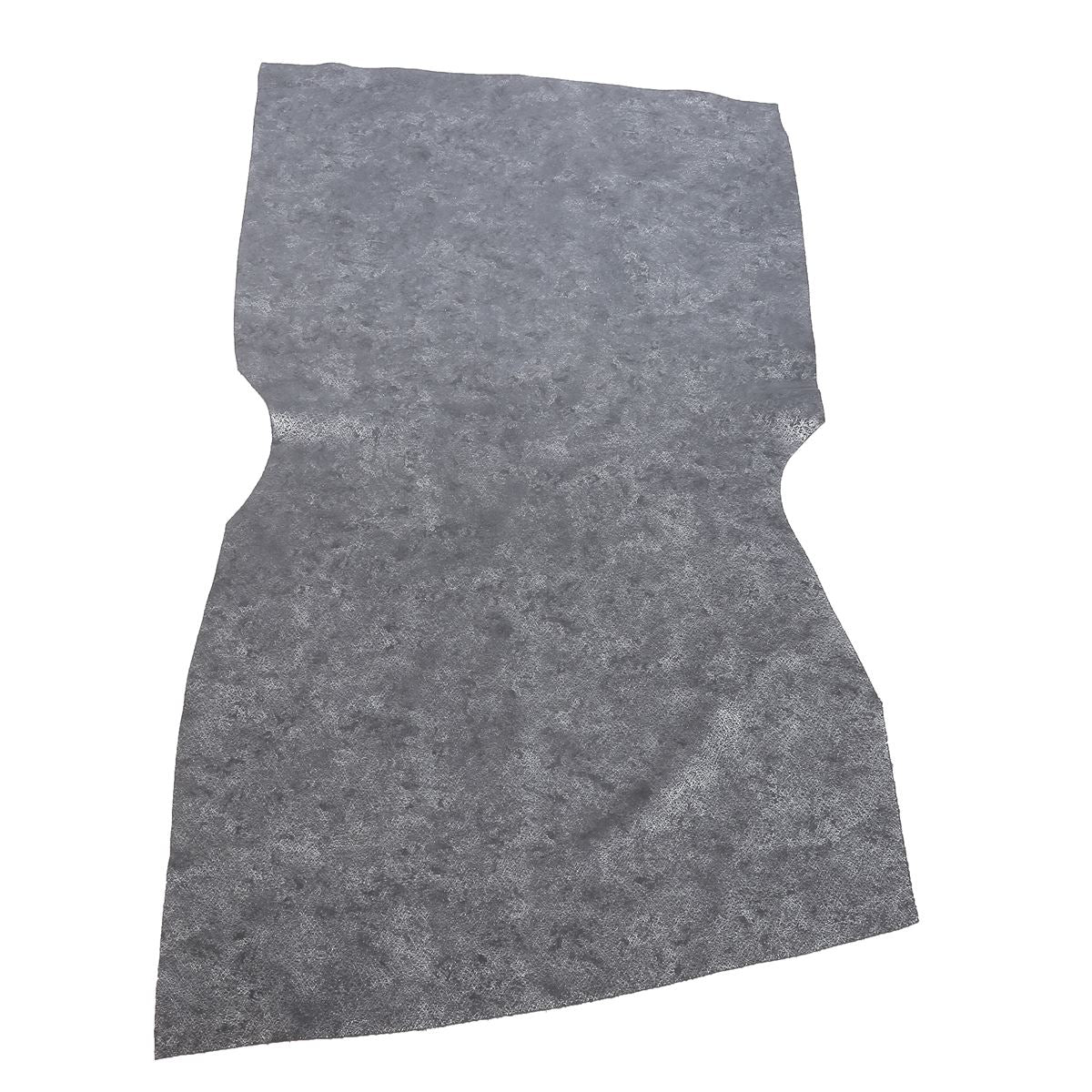
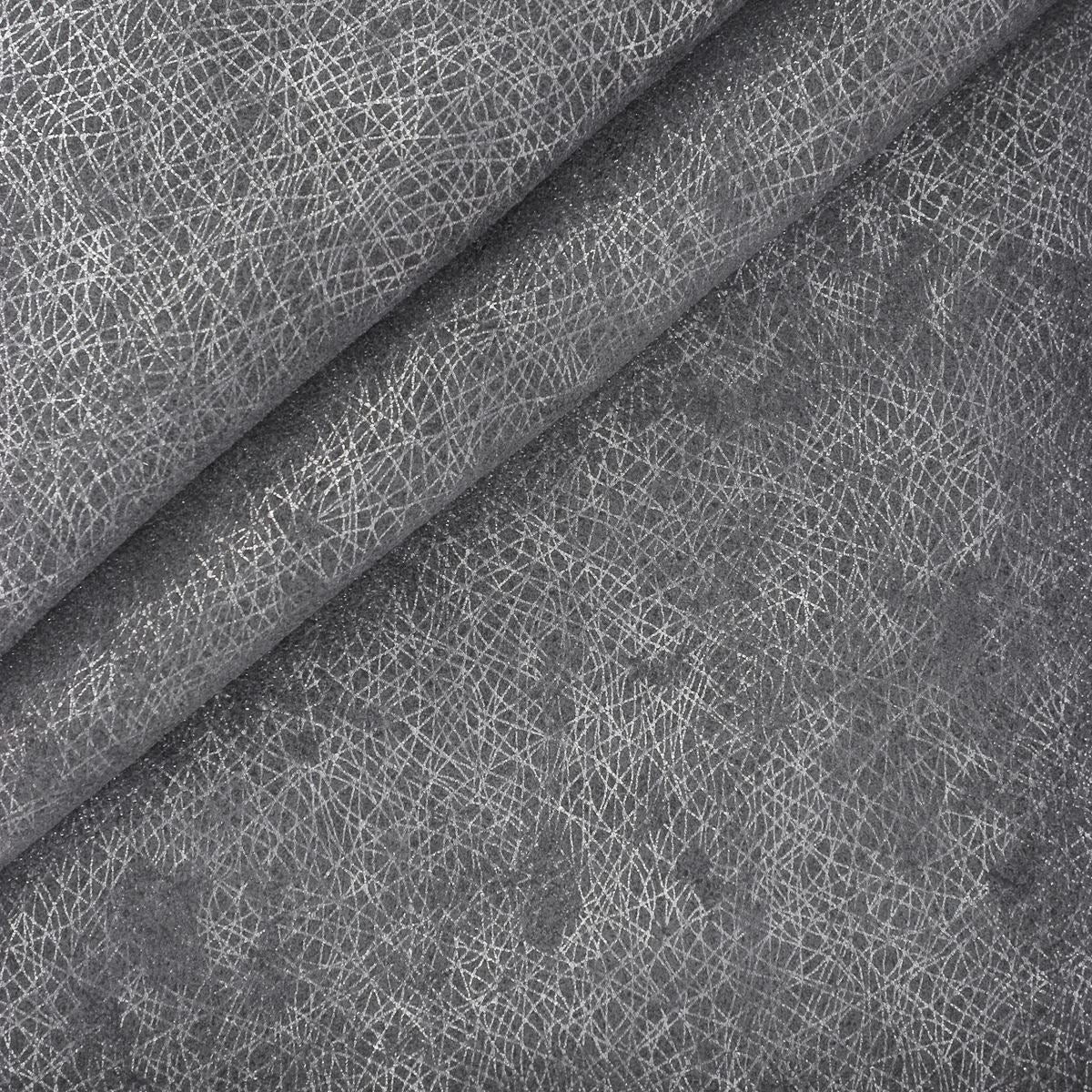
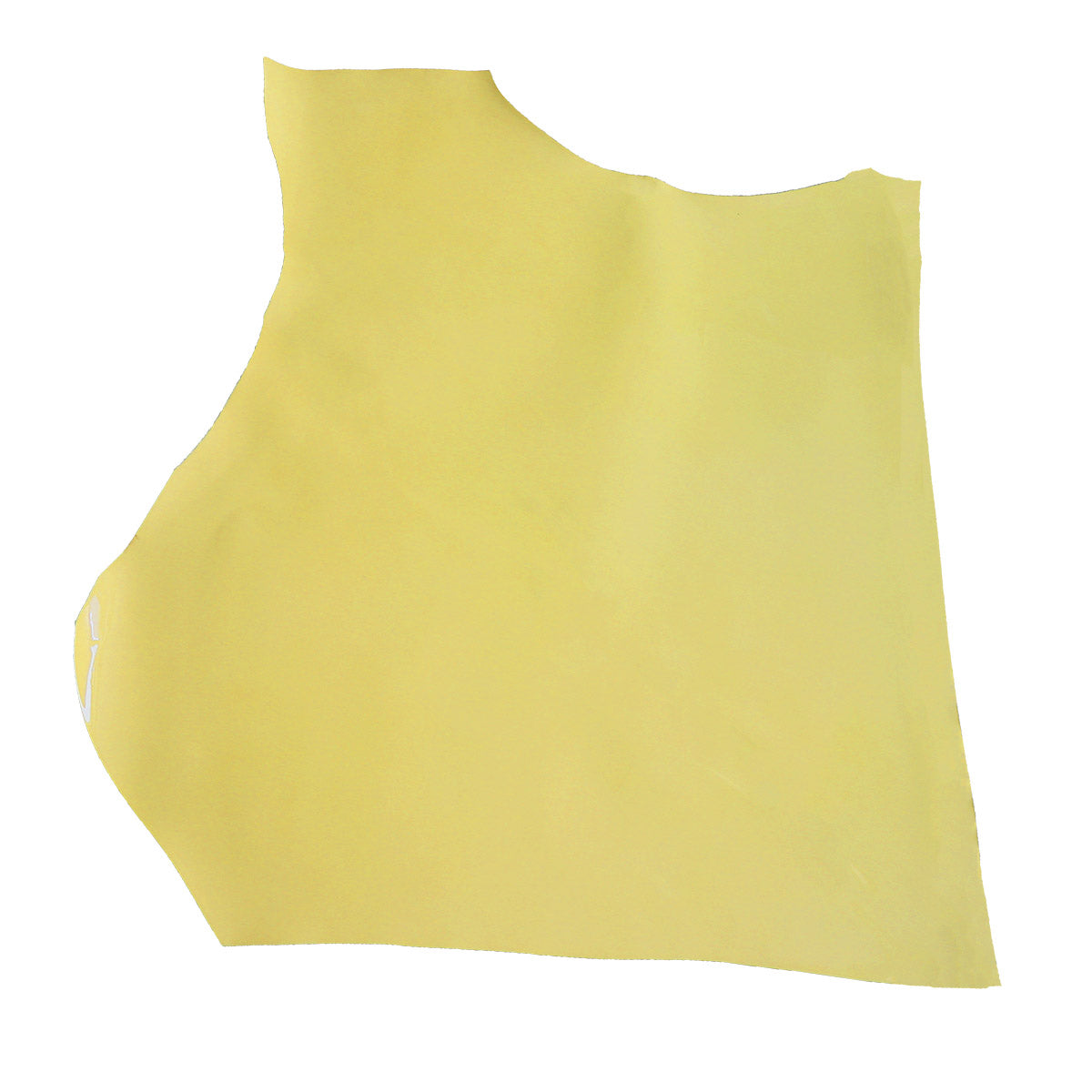
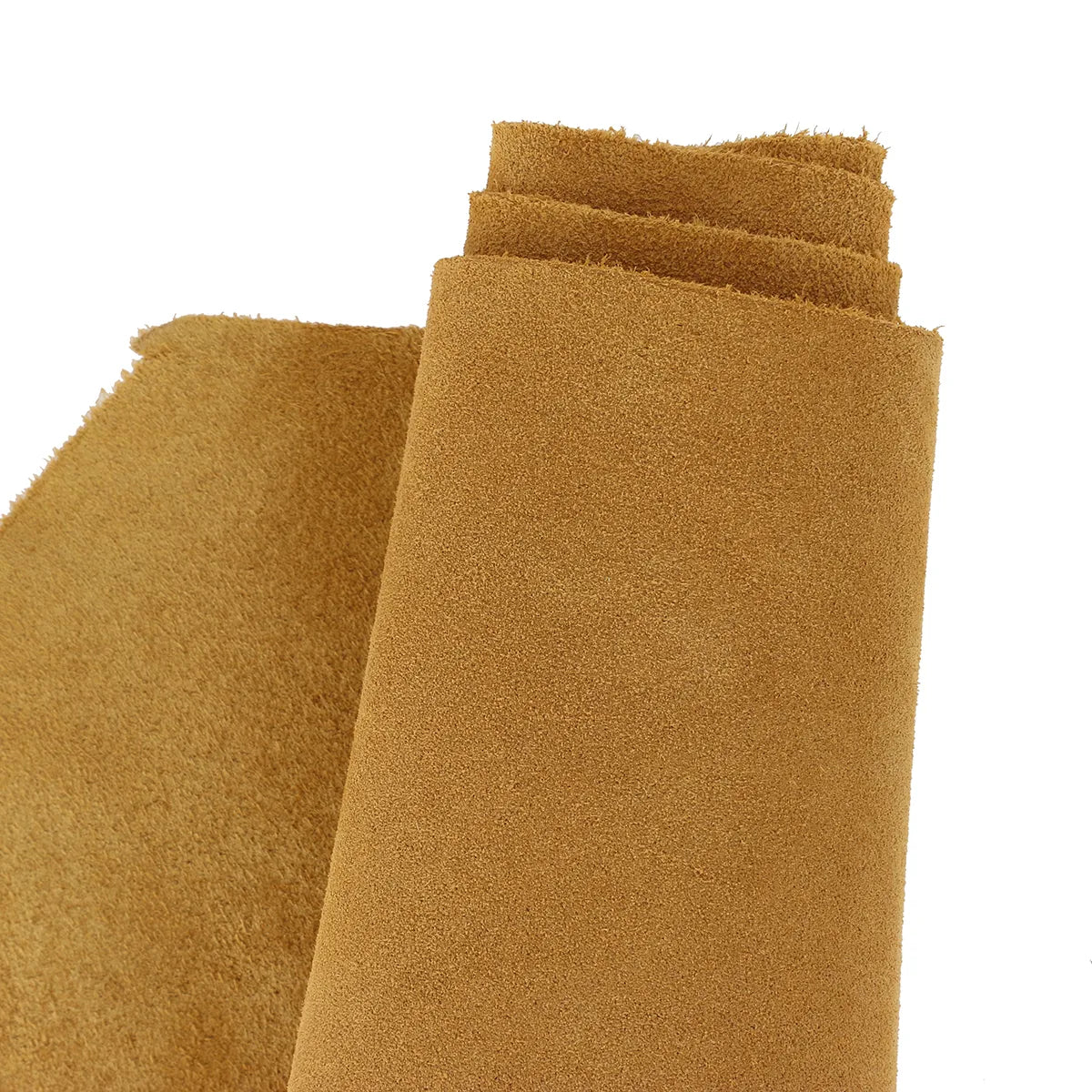
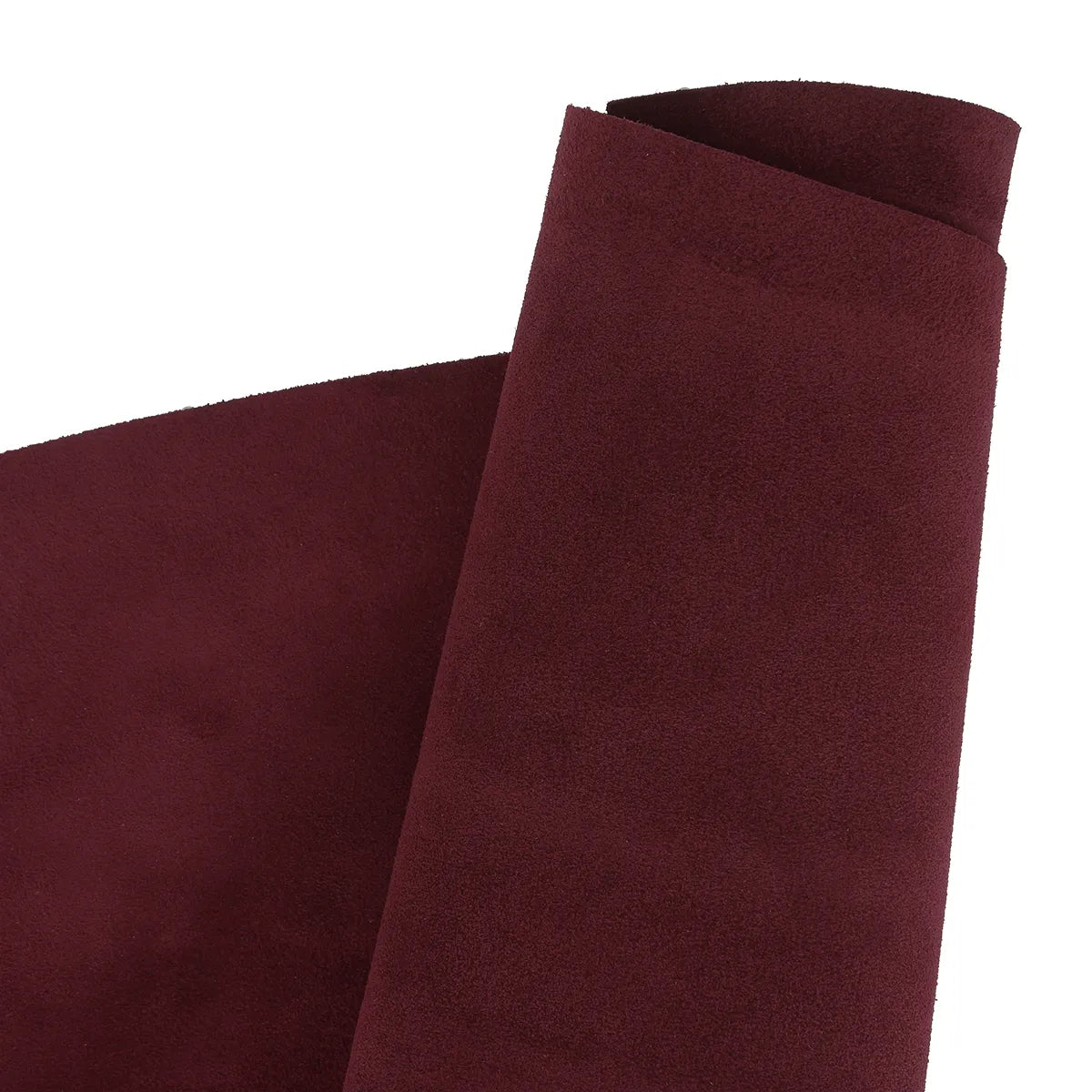
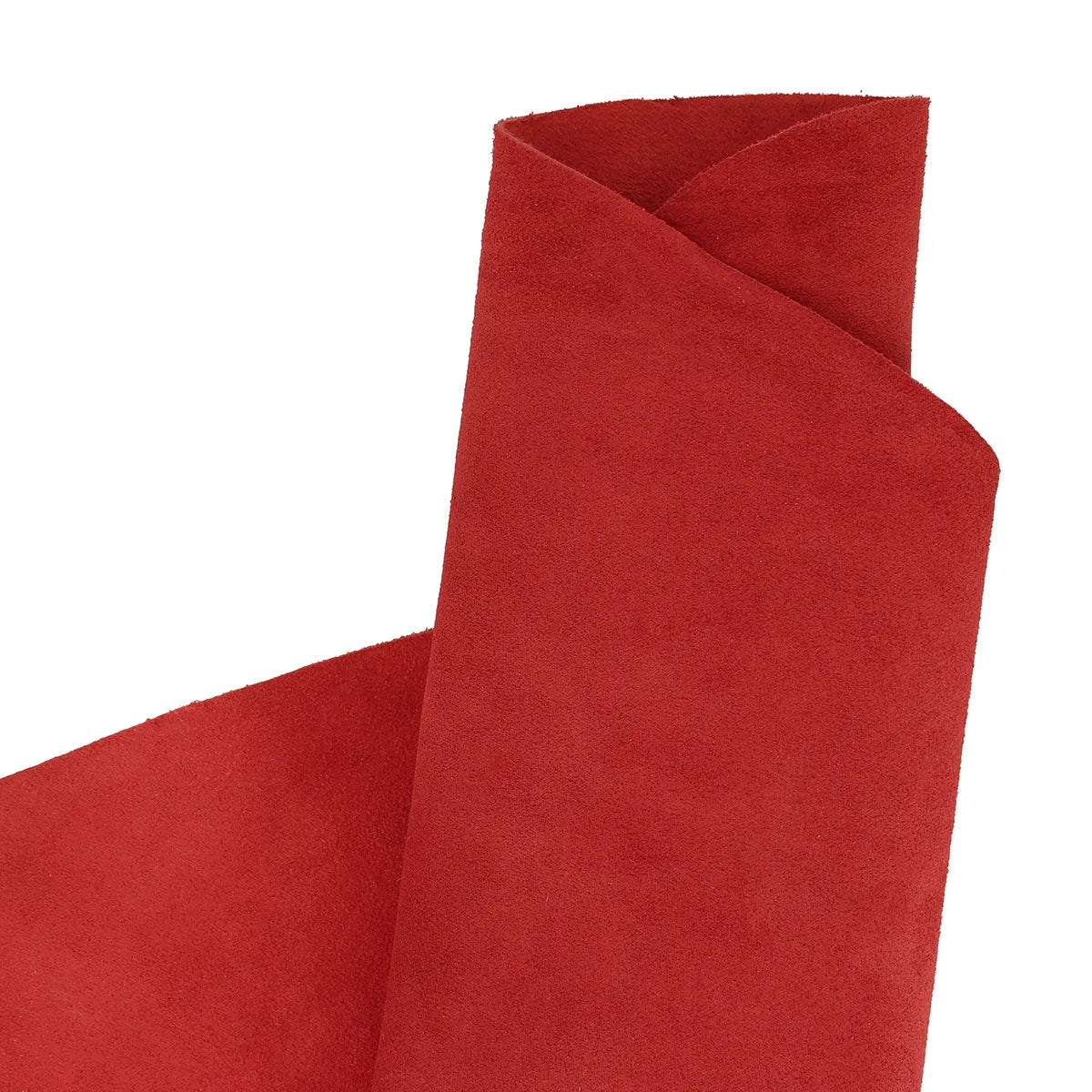
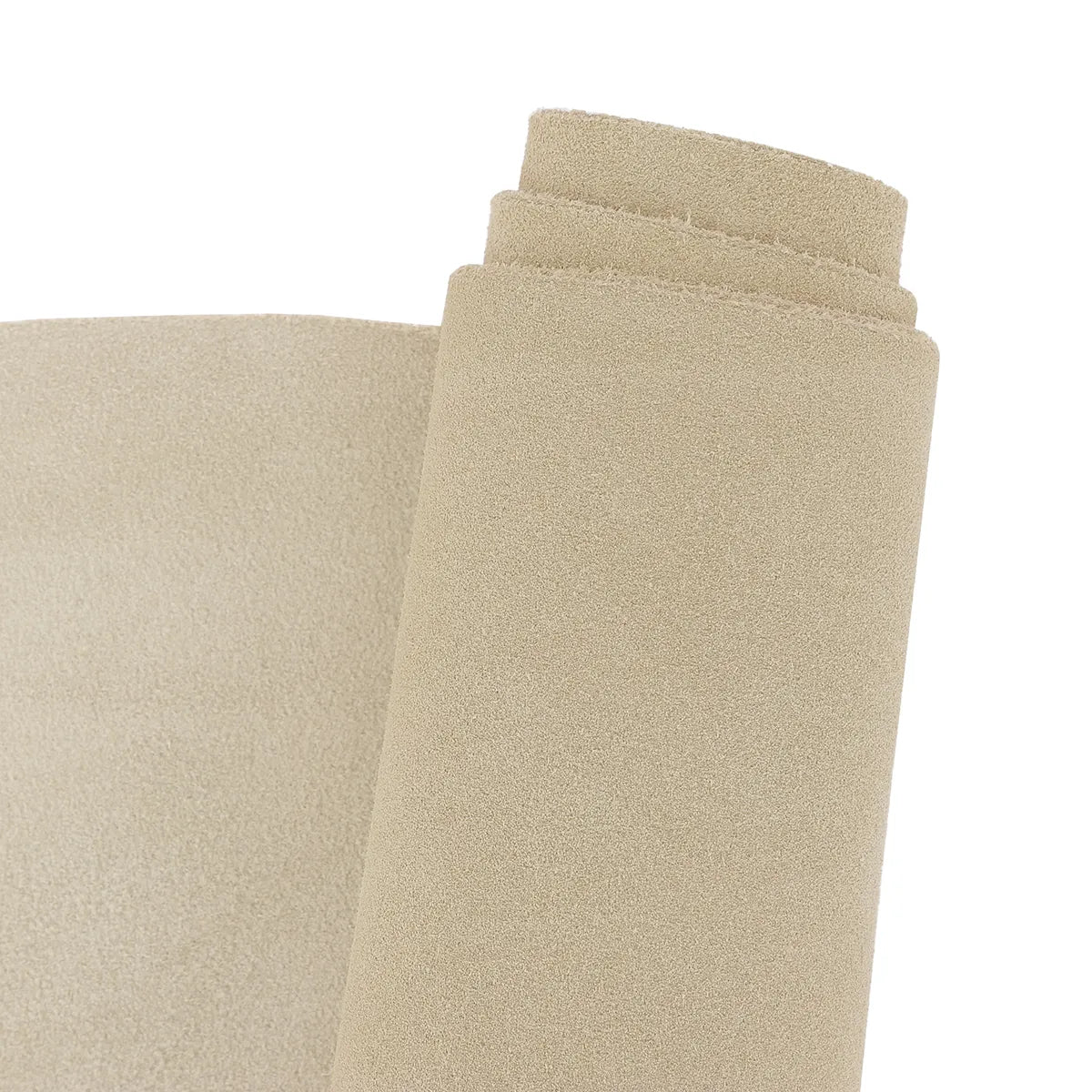
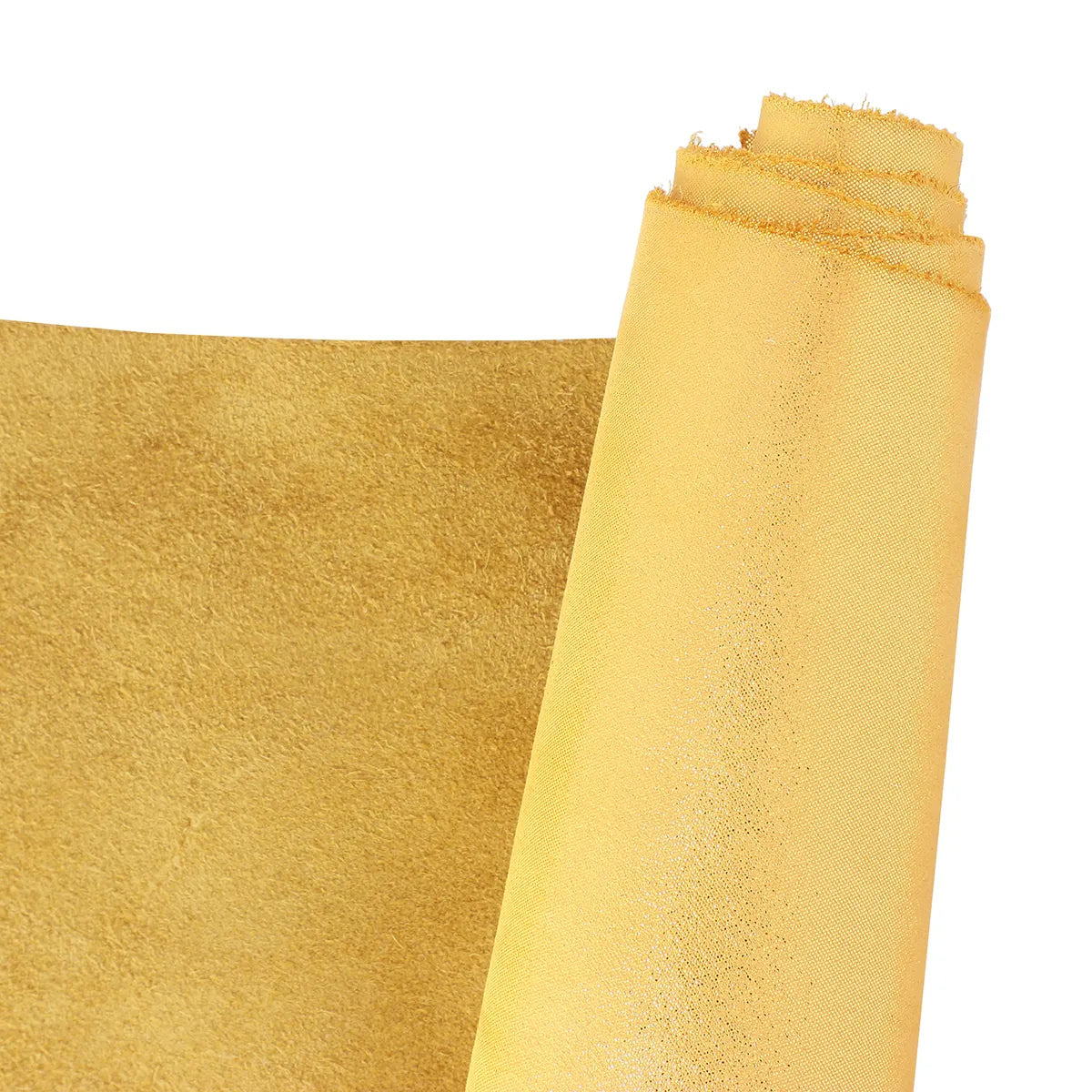
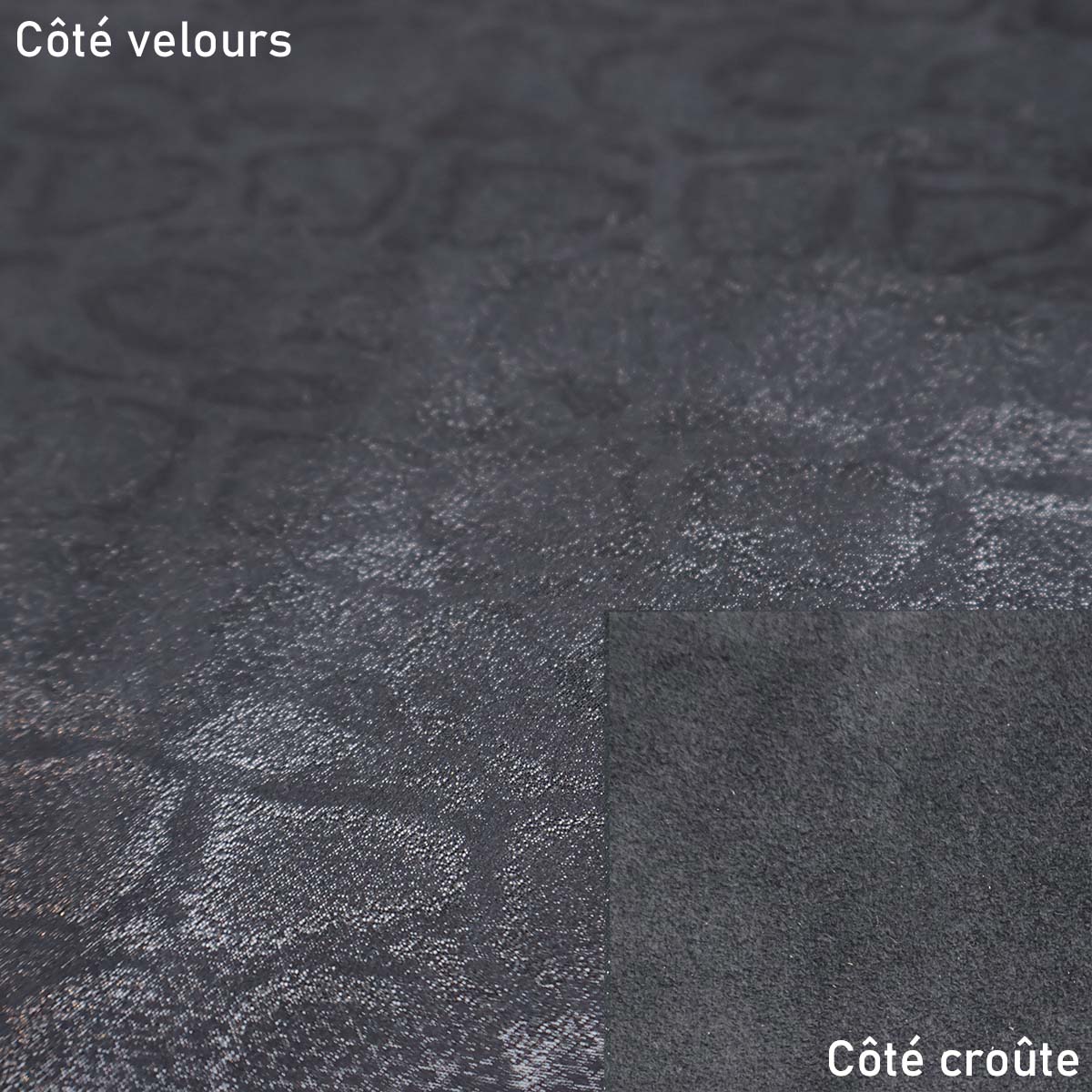
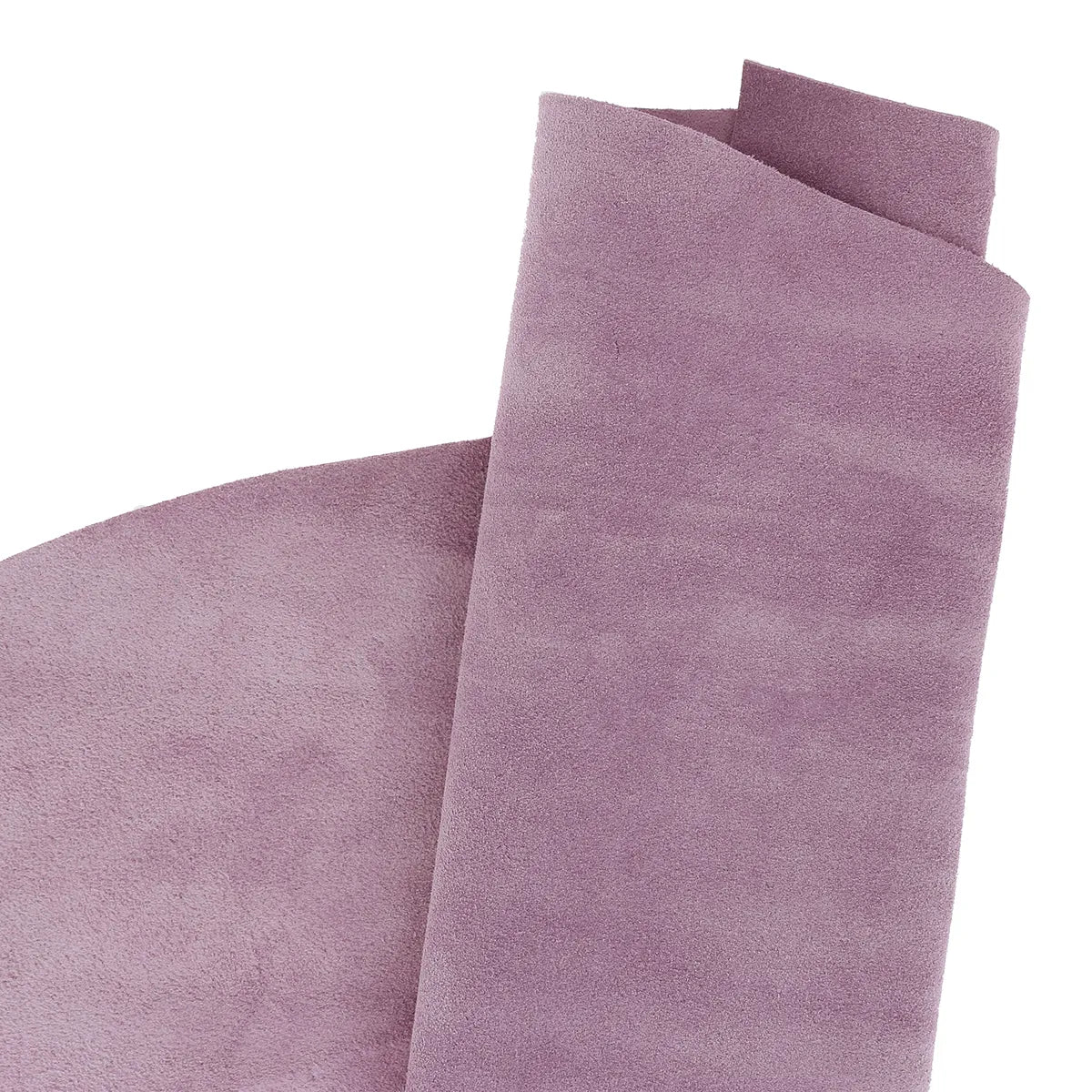
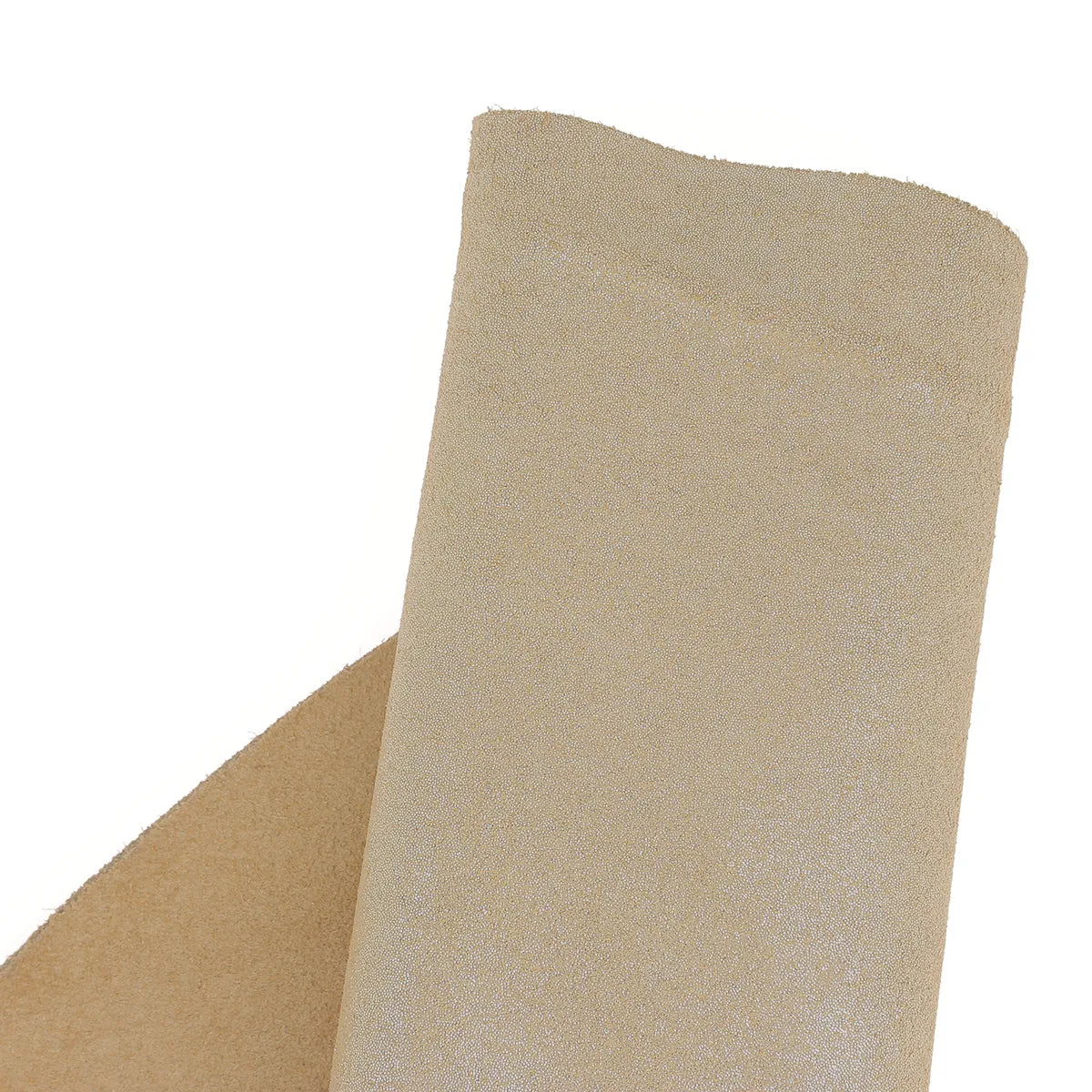
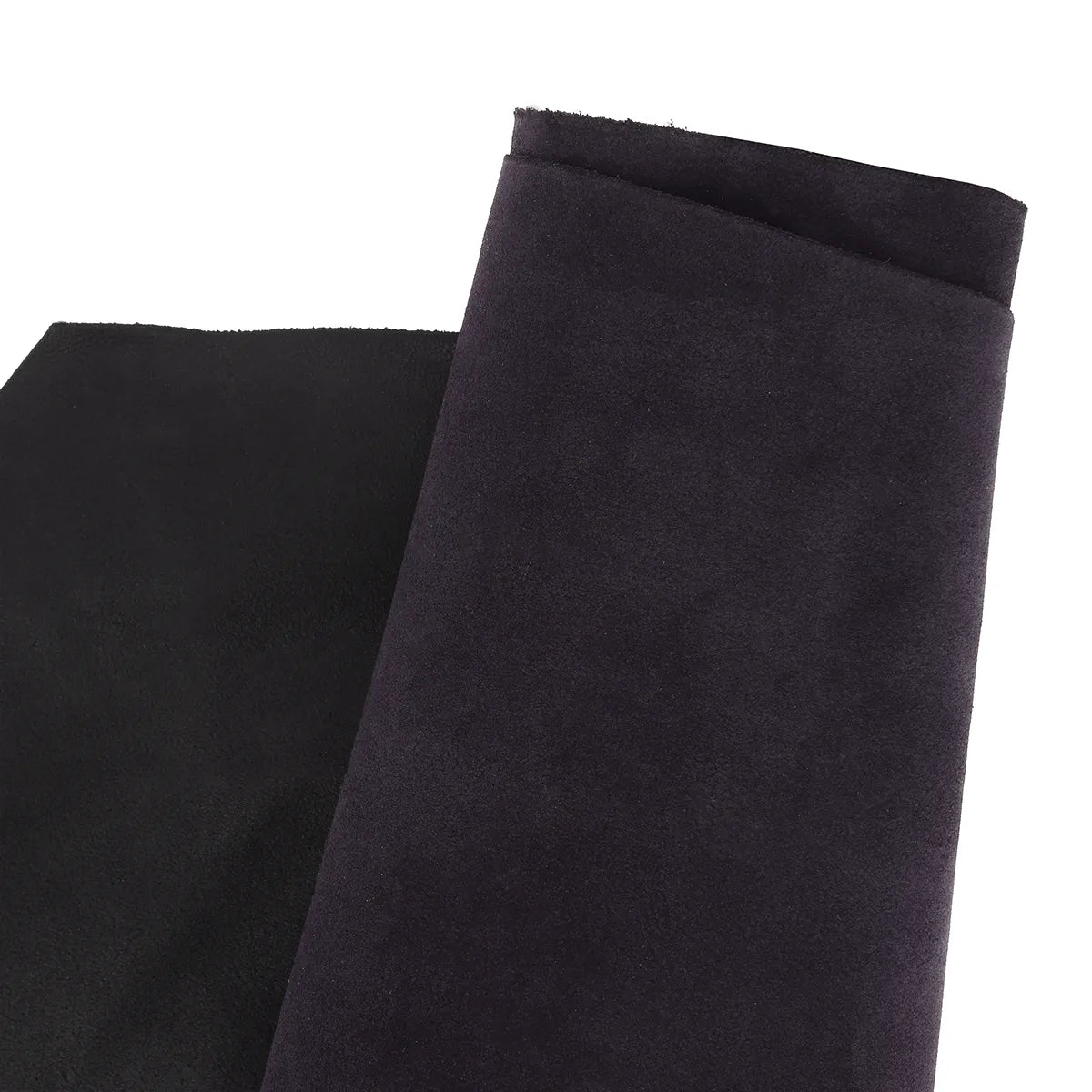
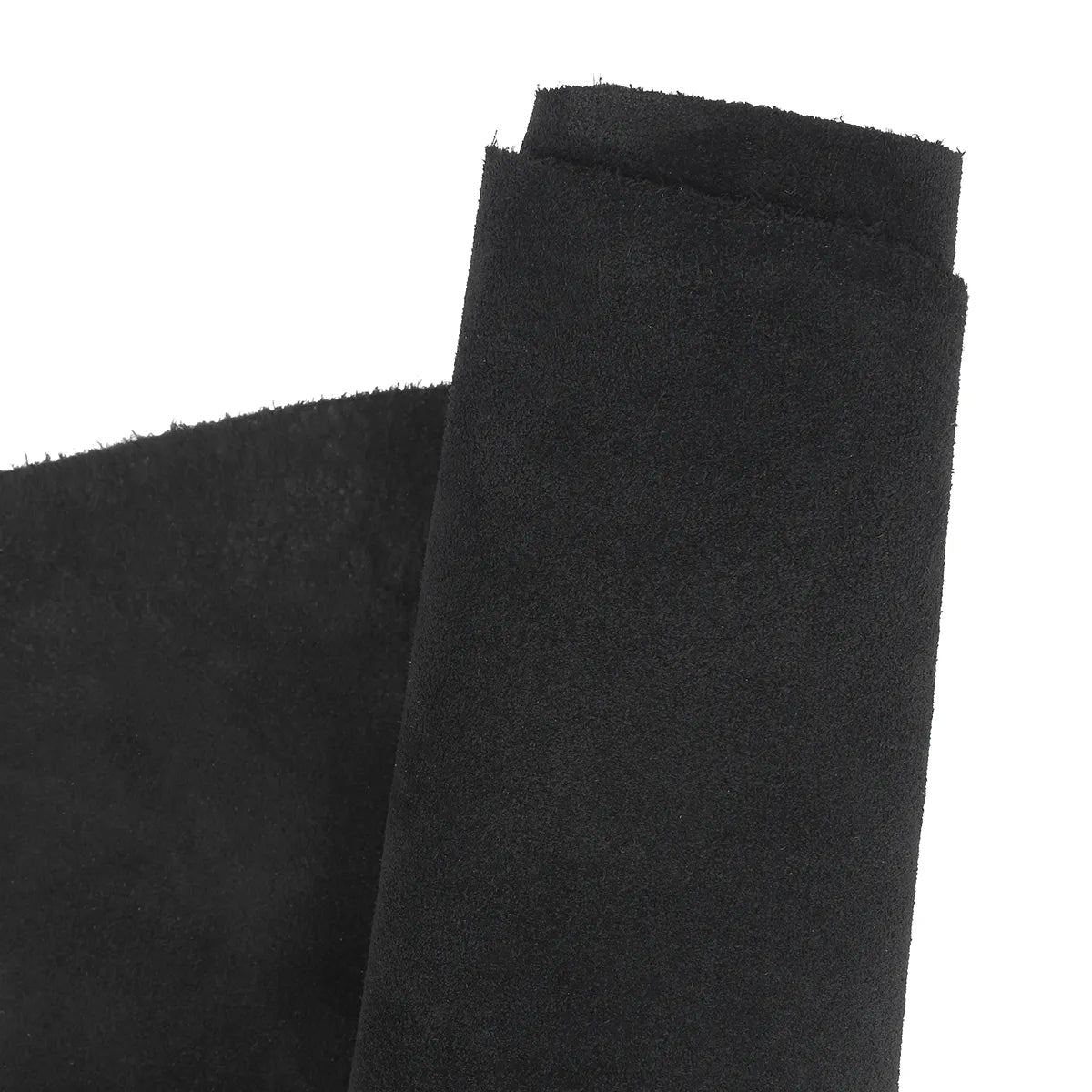
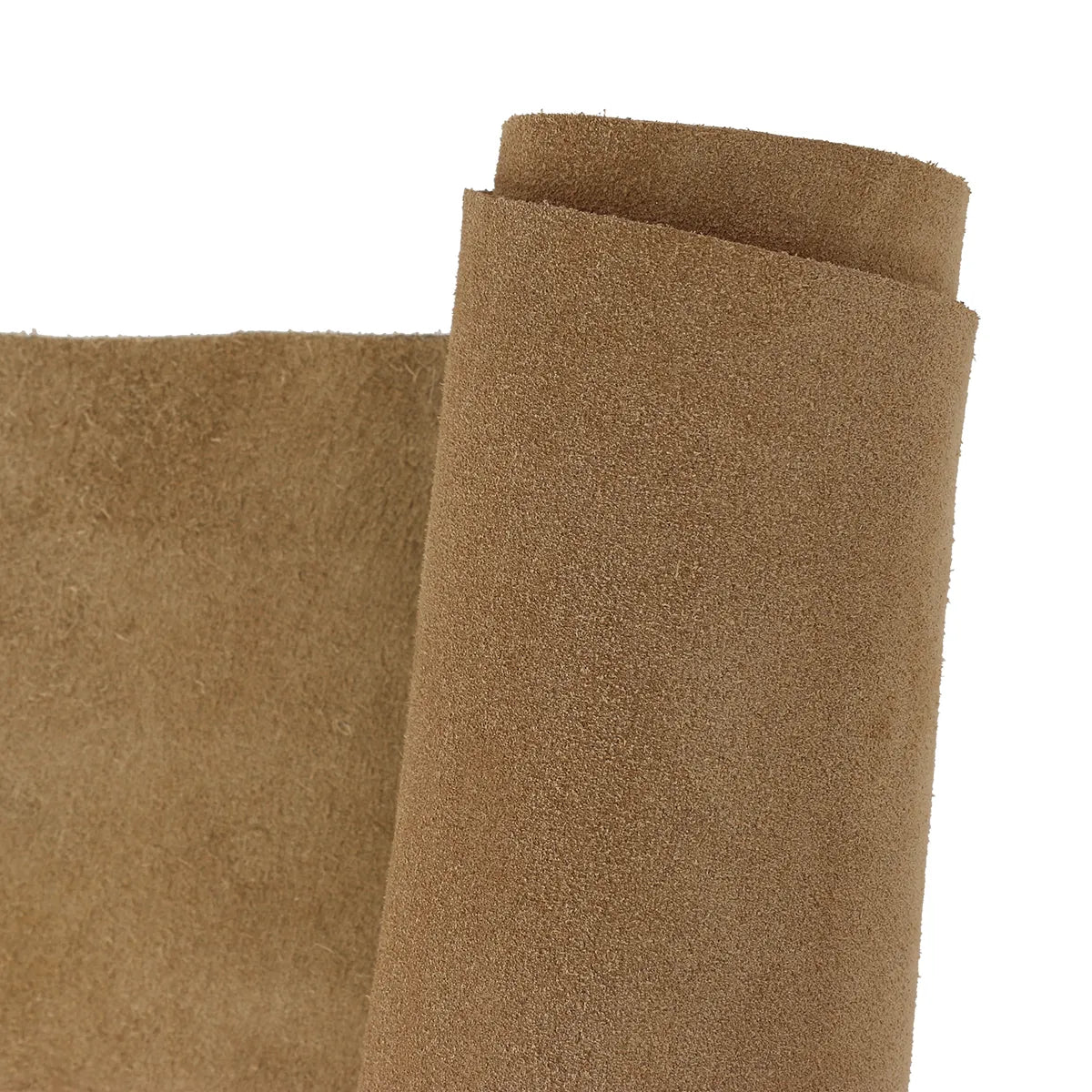
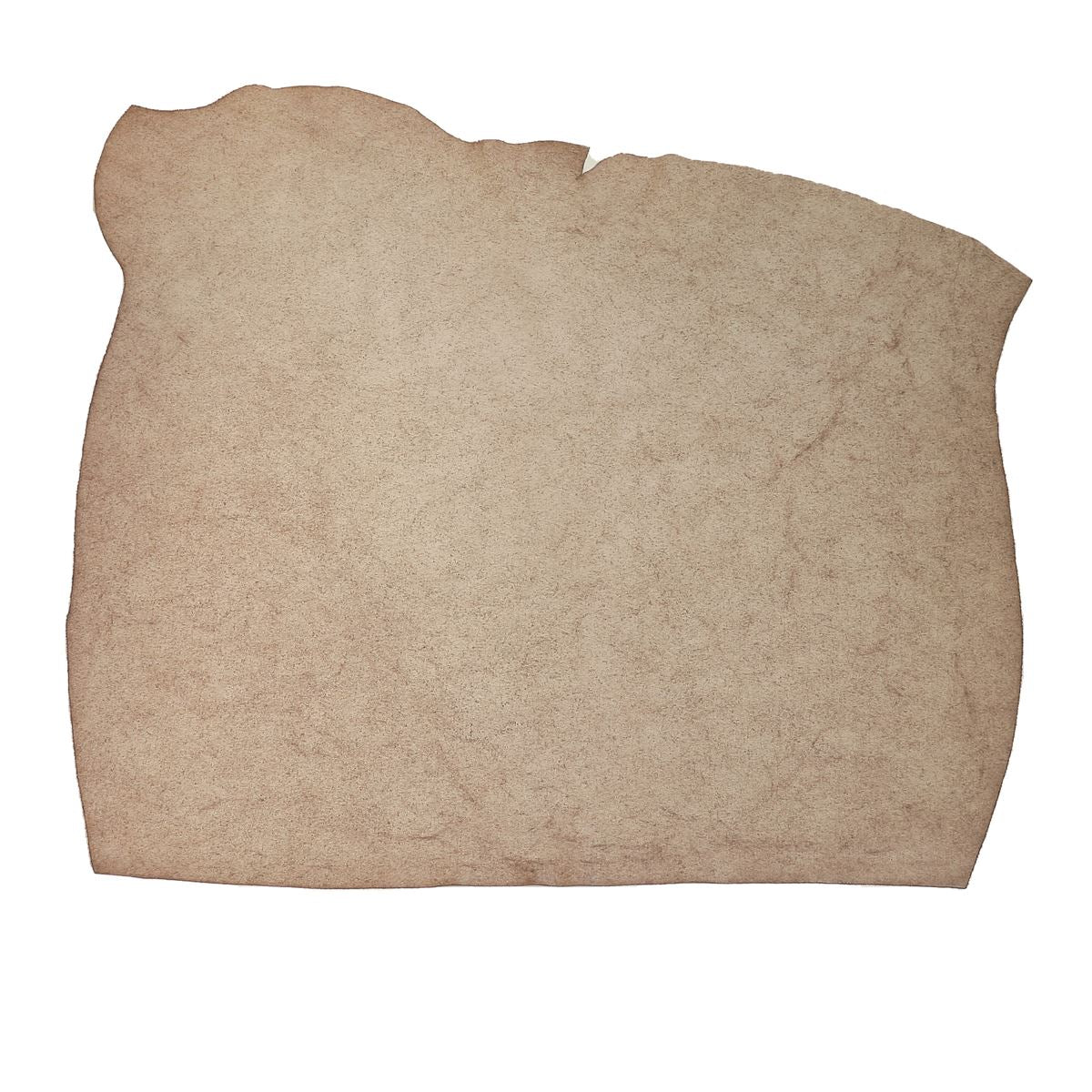
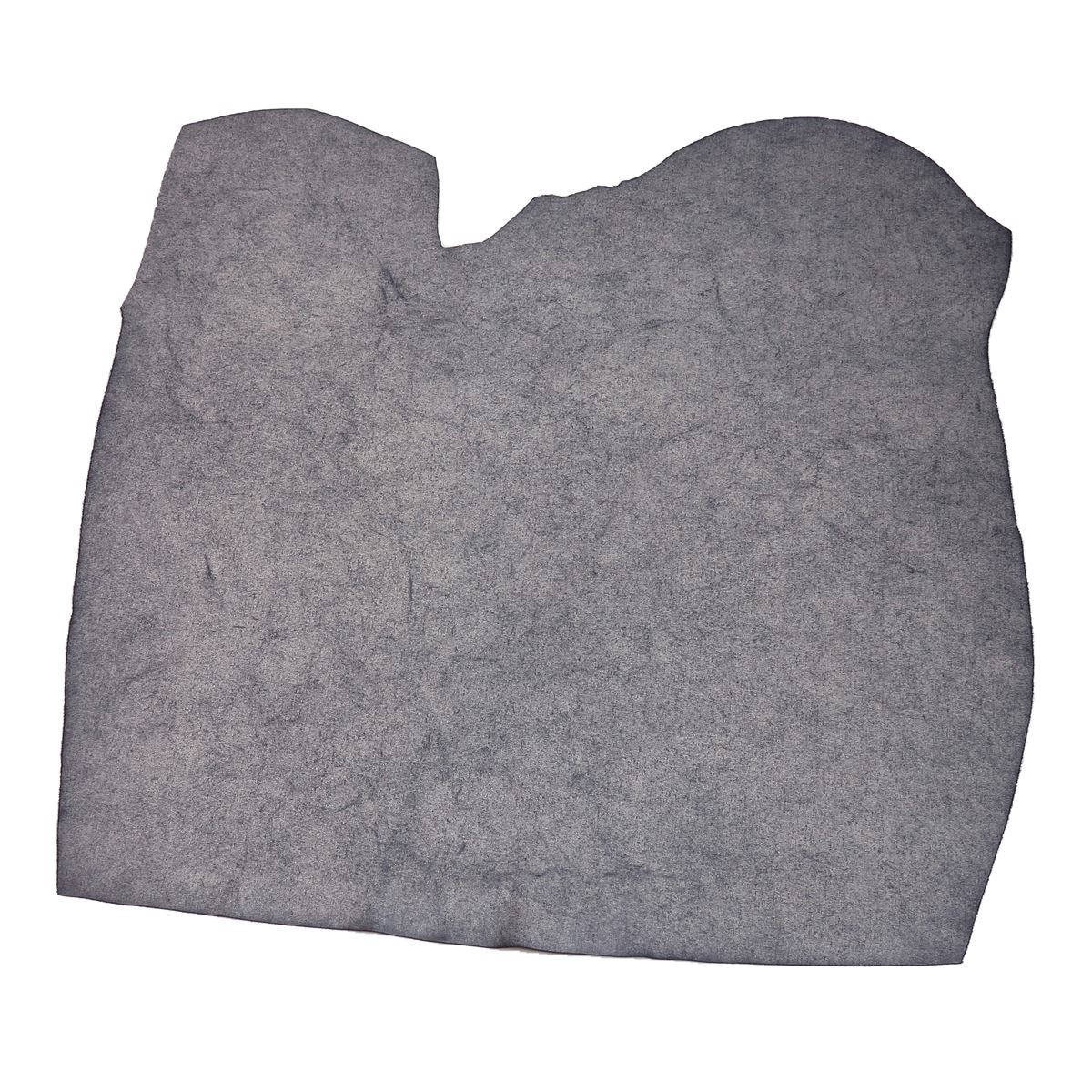
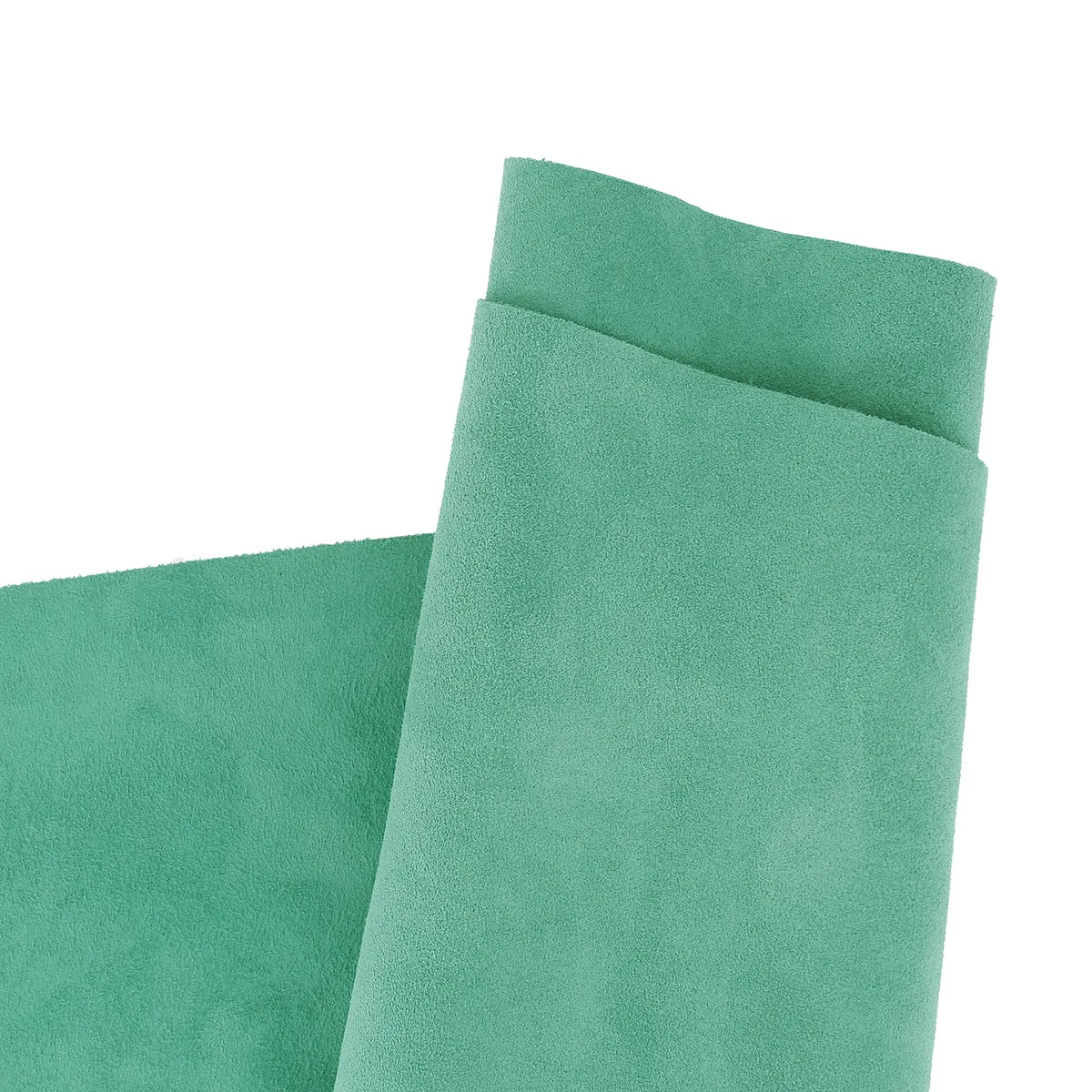
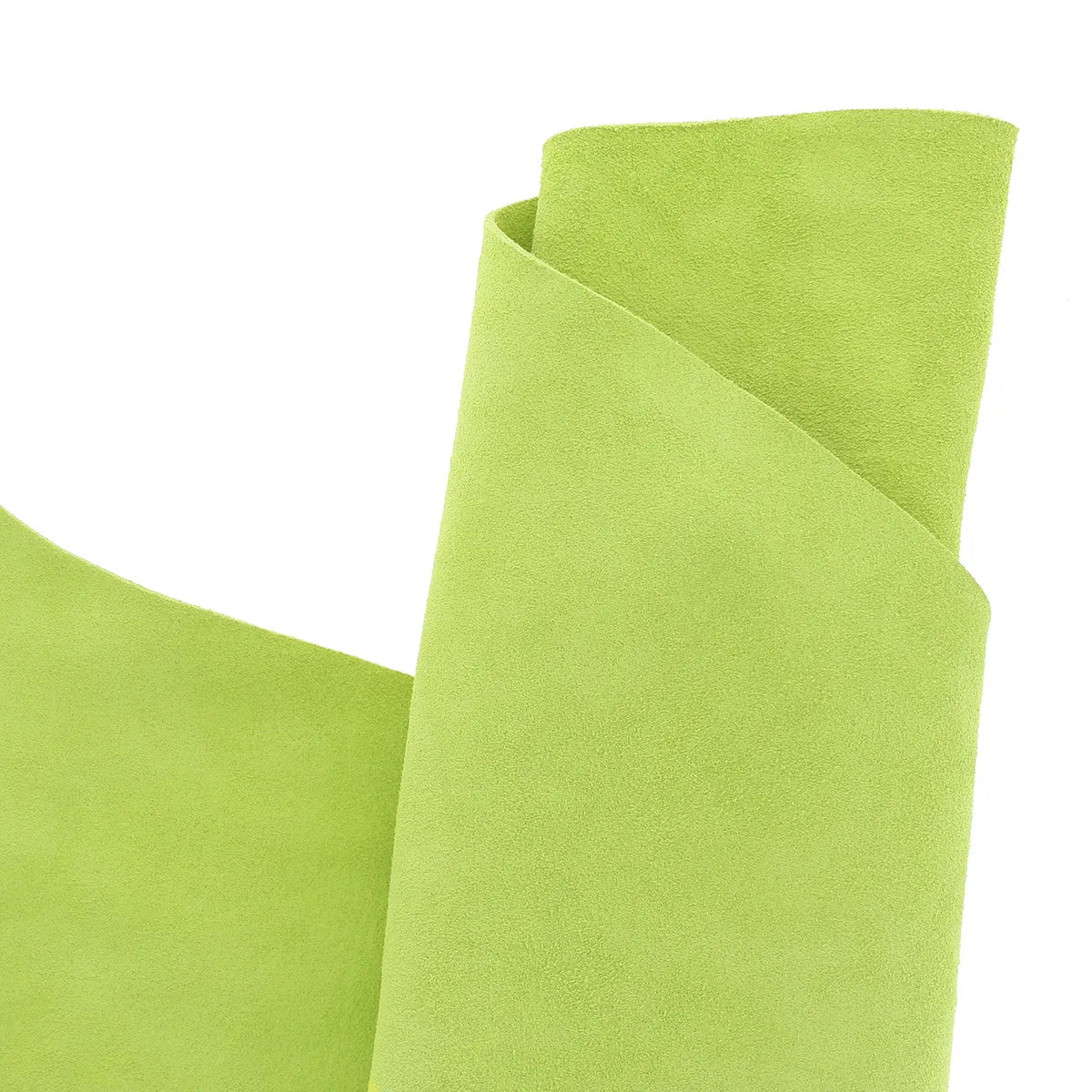
Suede split leather retains a sanded and open surface. The touch is soft, slightly grippy, and light diffuses without reflection. This finish gives depth to colors and modifies the perception of volumes. Yellow, camel, or taupe: the color appears denser.
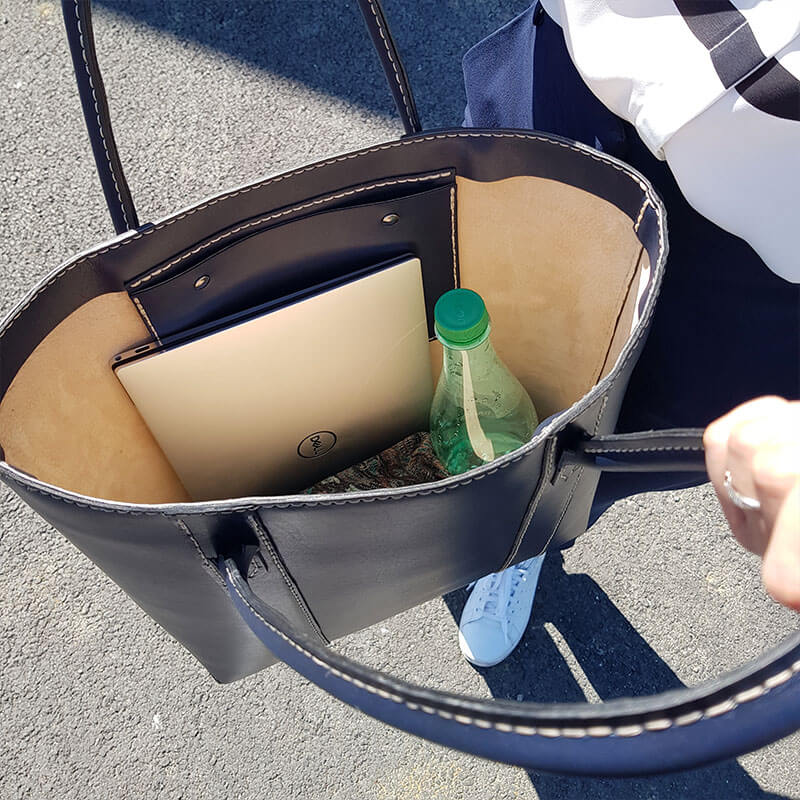
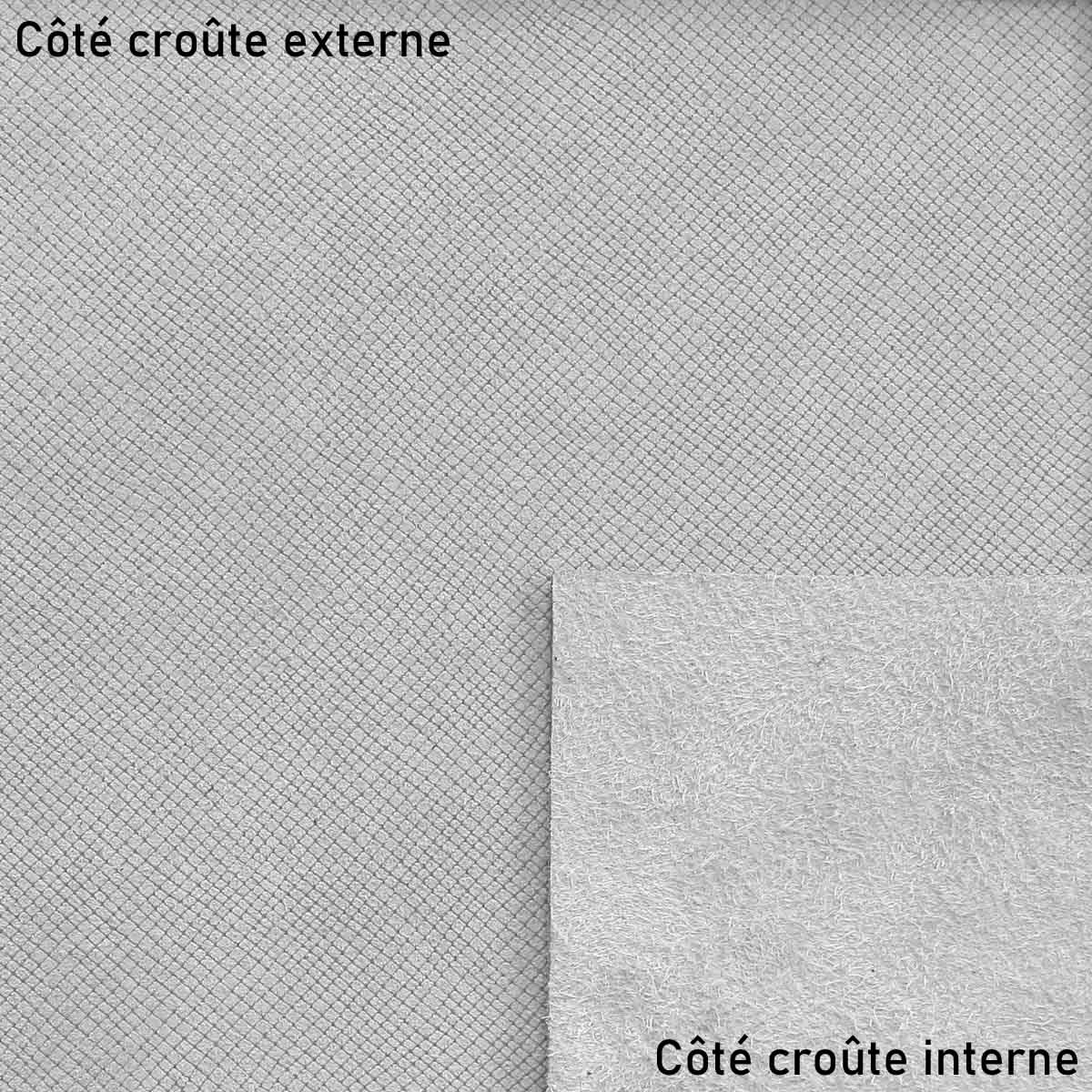
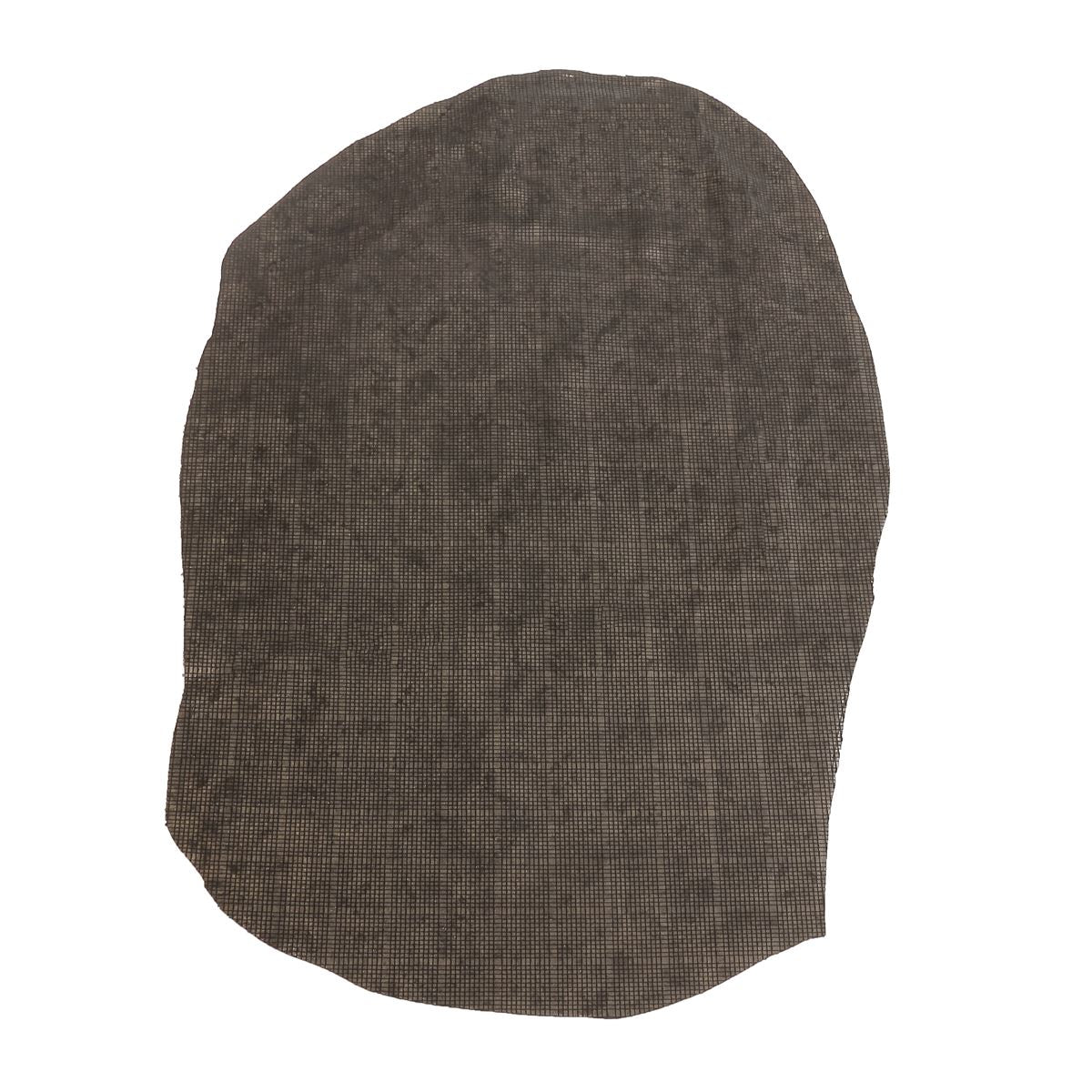
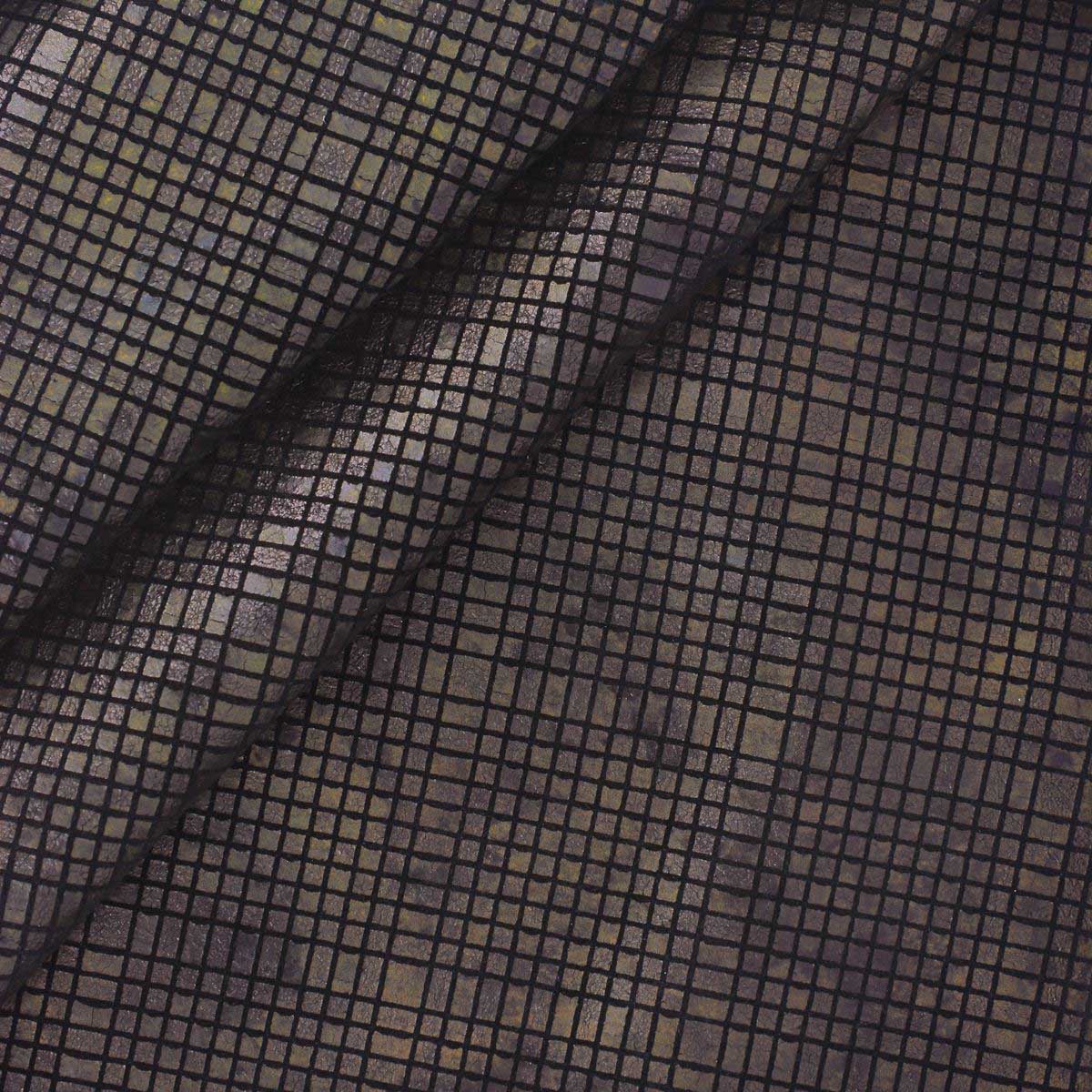
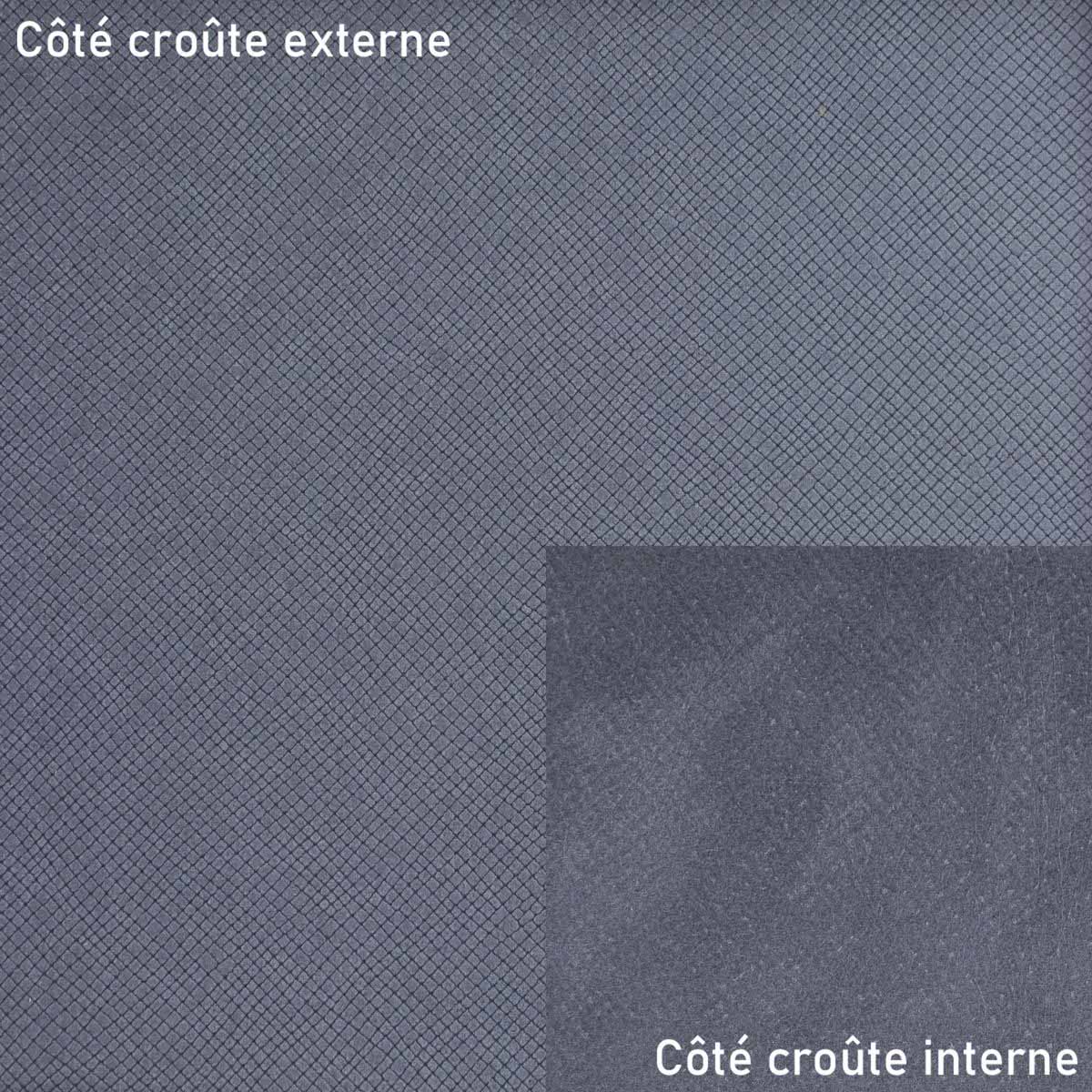
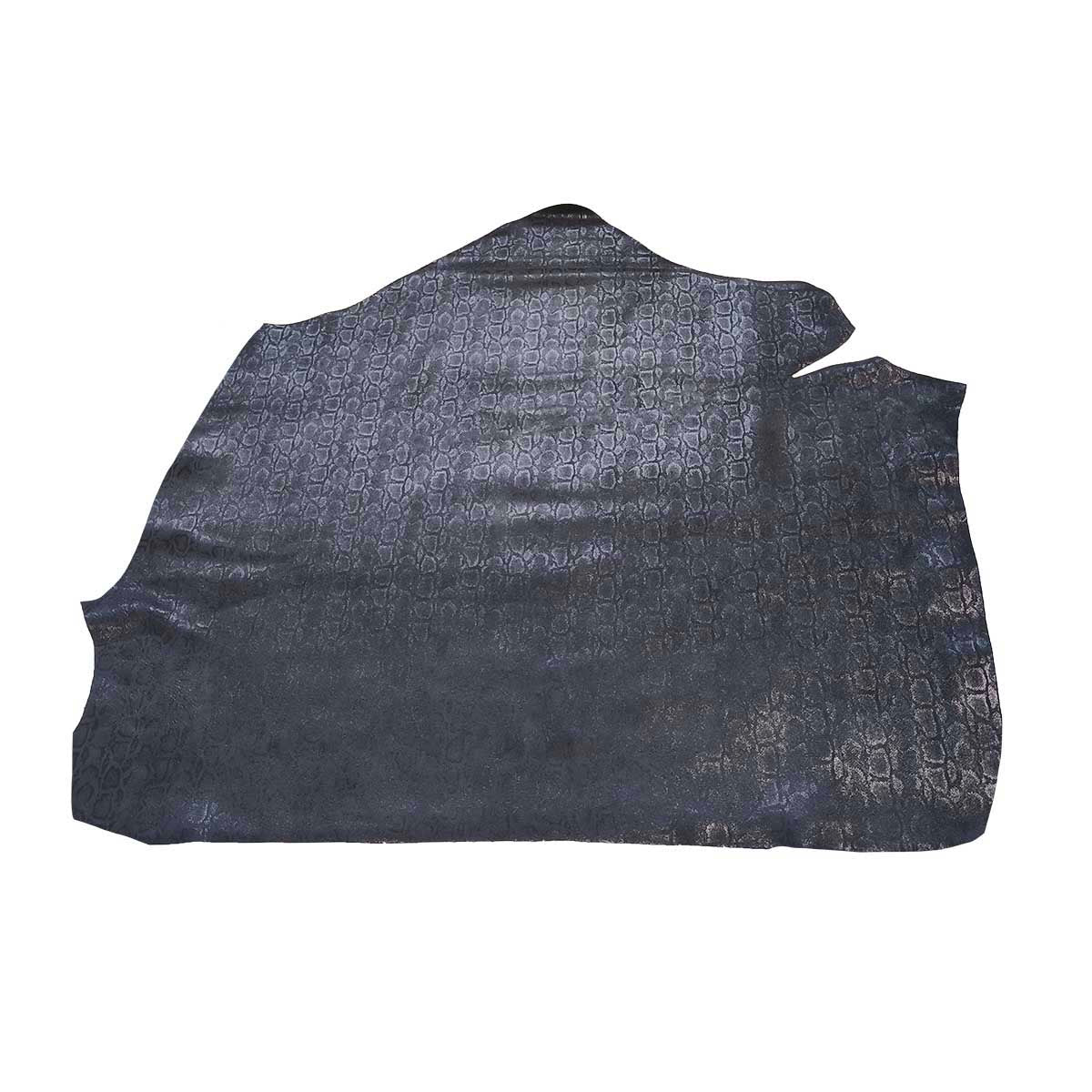
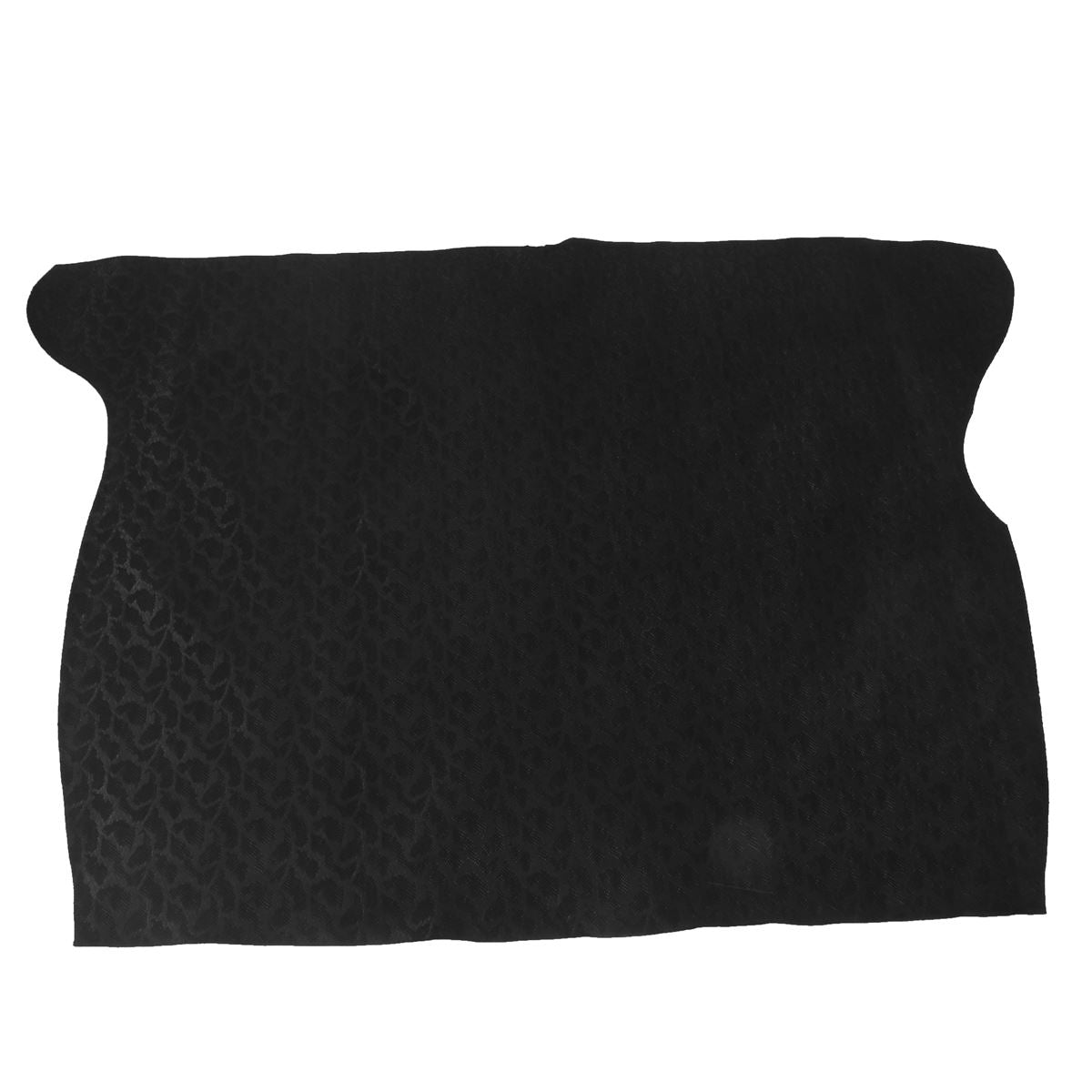
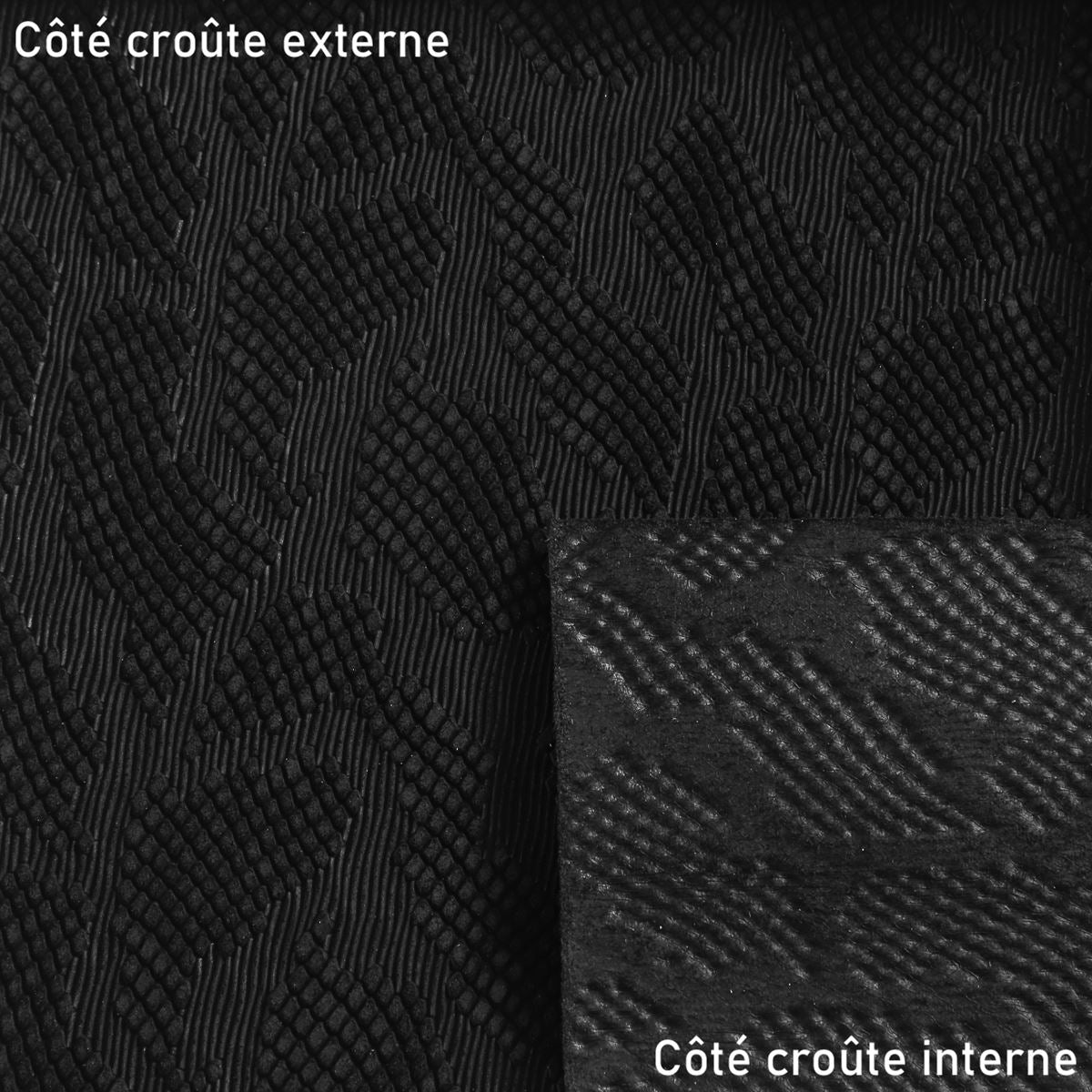
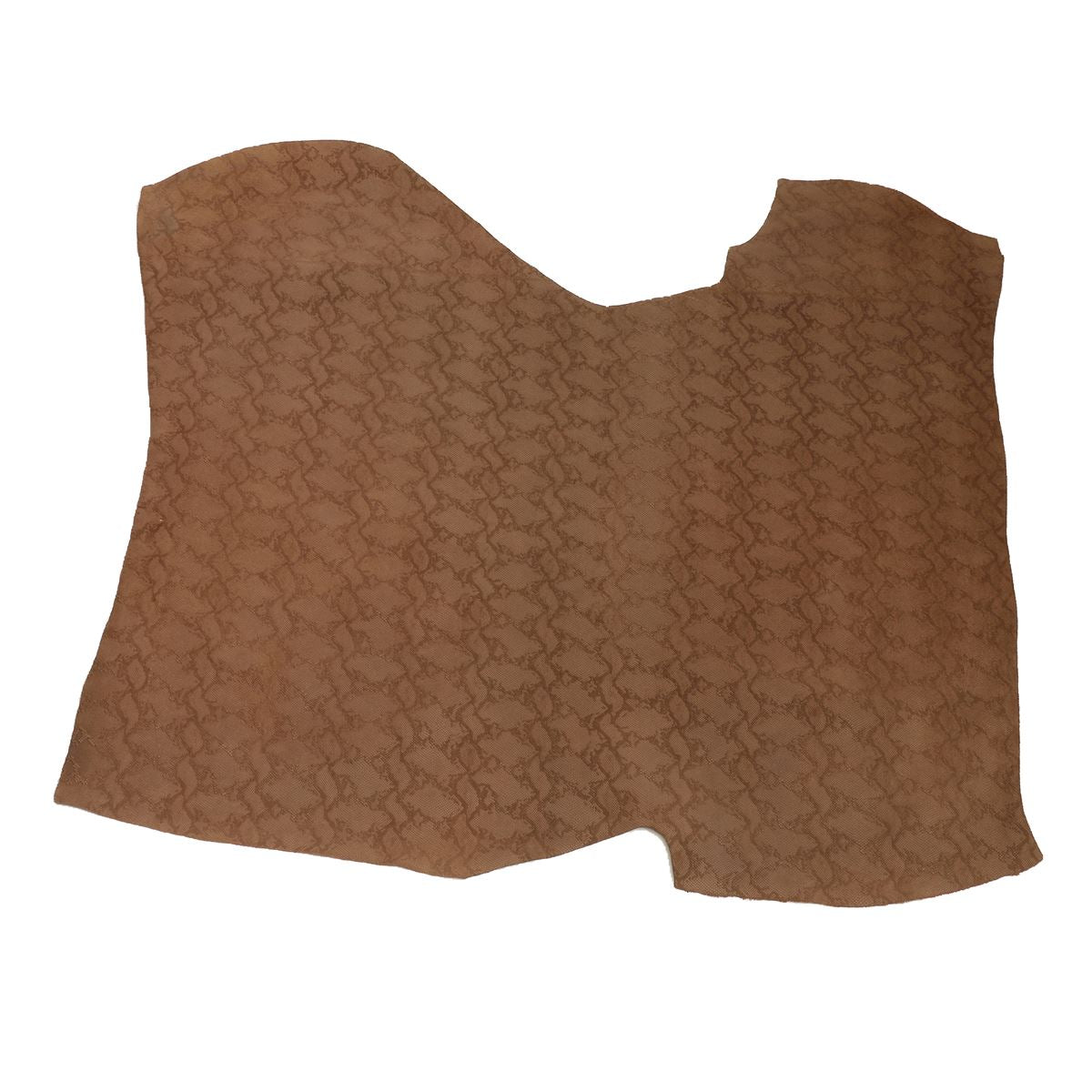
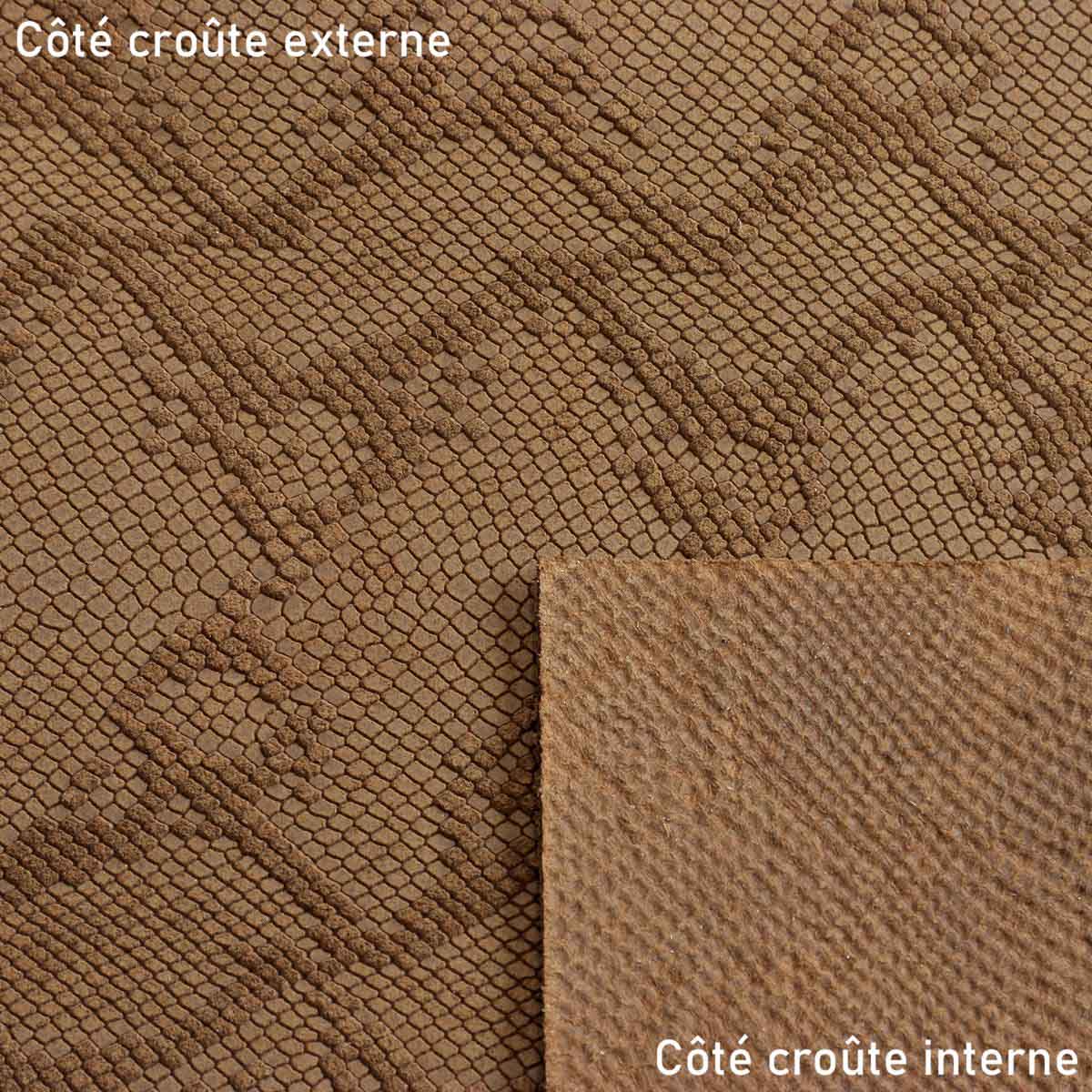
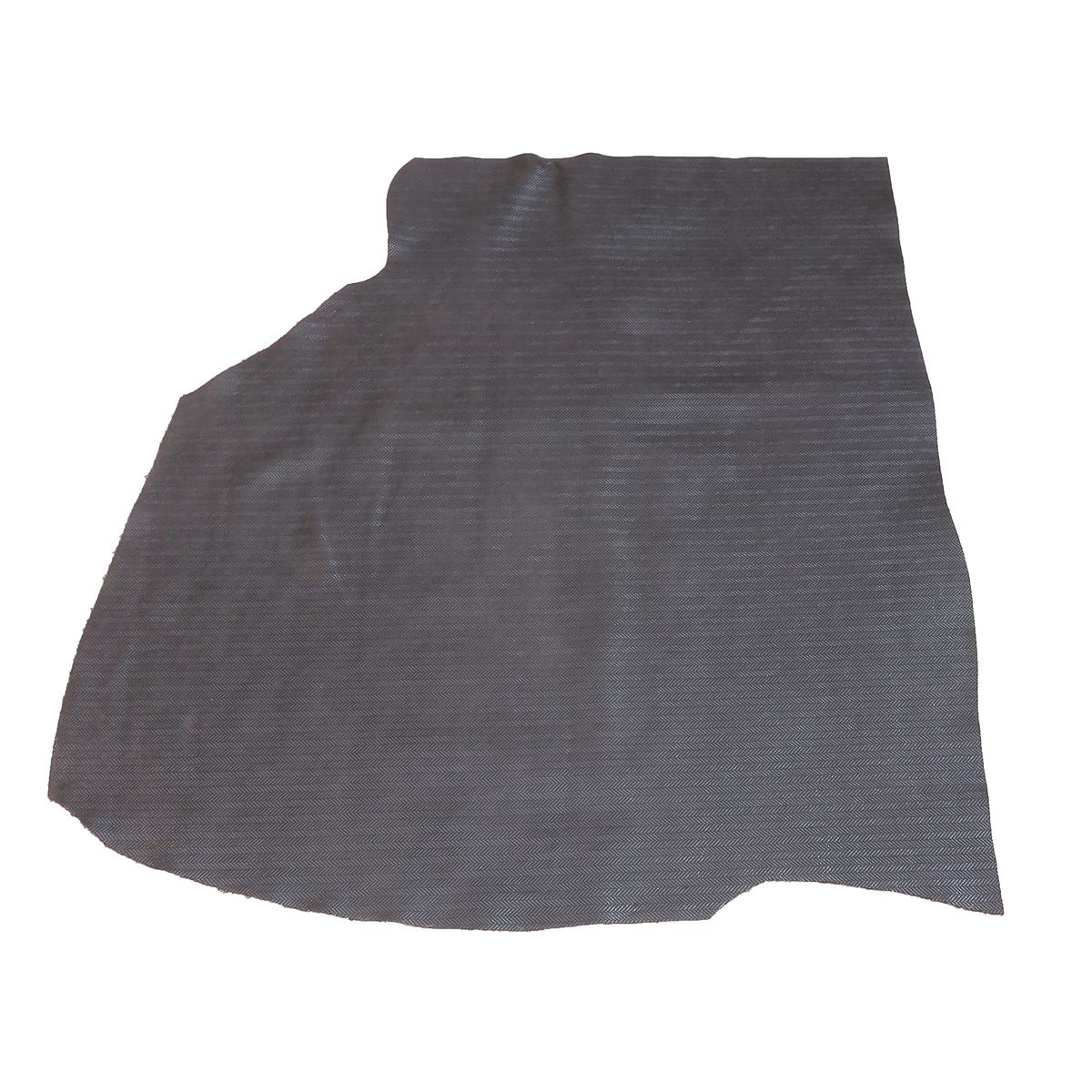
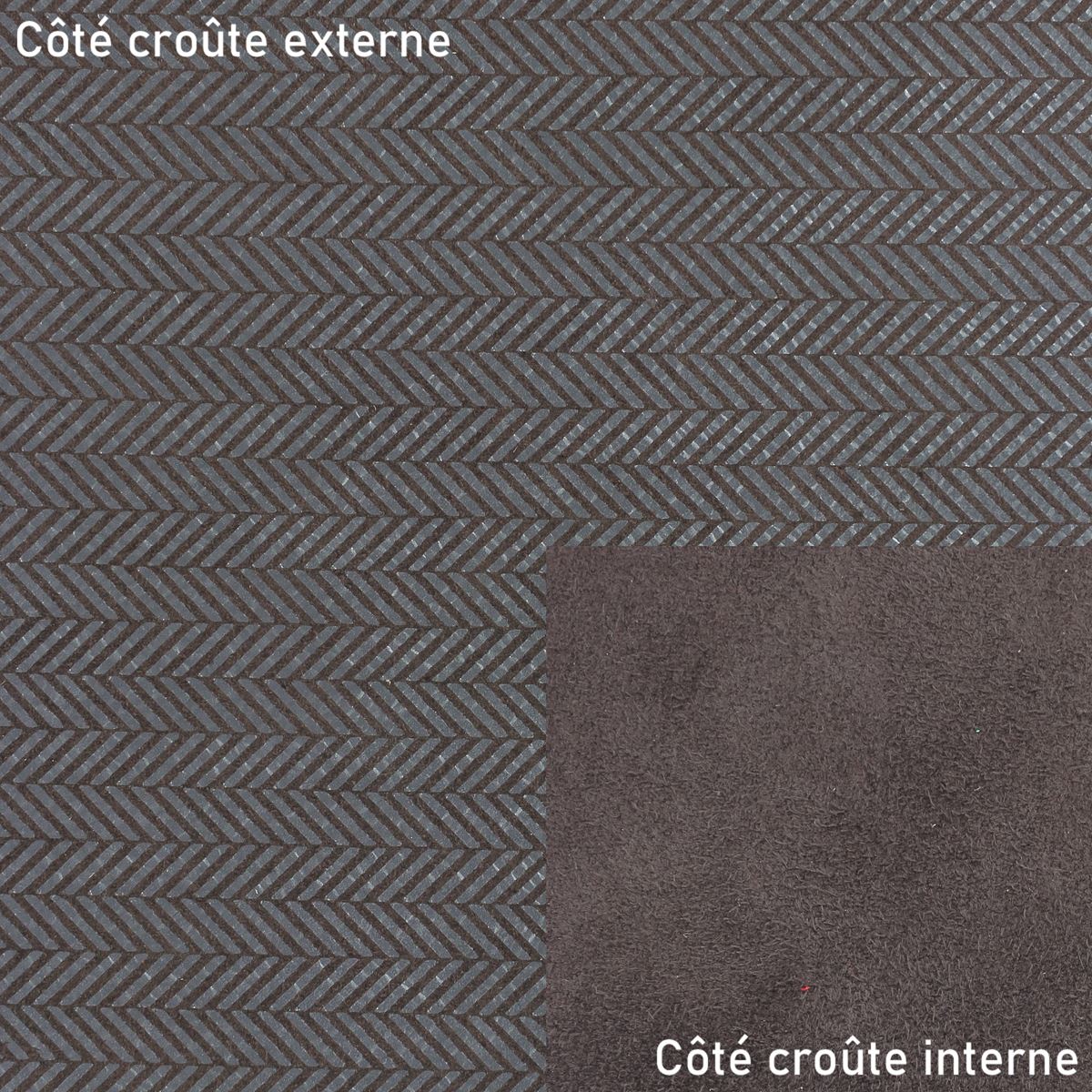
The pigskin suede split leathers offered on Deco Cuir are large enough to cut a single piece, such as a handbag panel or a tote bag, without having to assemble several pieces. Firmer, calfskin suede split leathers accommodate more structured visual effects, such as woven, cracked, or reptile-inspired textures. In both cases, the material imposes a distinct rendering.
Coated split leather: surface stability
With a coated finish, split leather presents a closed surface. Smoother to the touch, it displays a uniform appearance and withstands repeated handling well. With use, marks become more discreet and the appearance remains stable. This finish is suitable for pouches, cases, bag flaps, exterior faces, or frequently used decorative elements, such as a leather armchair.
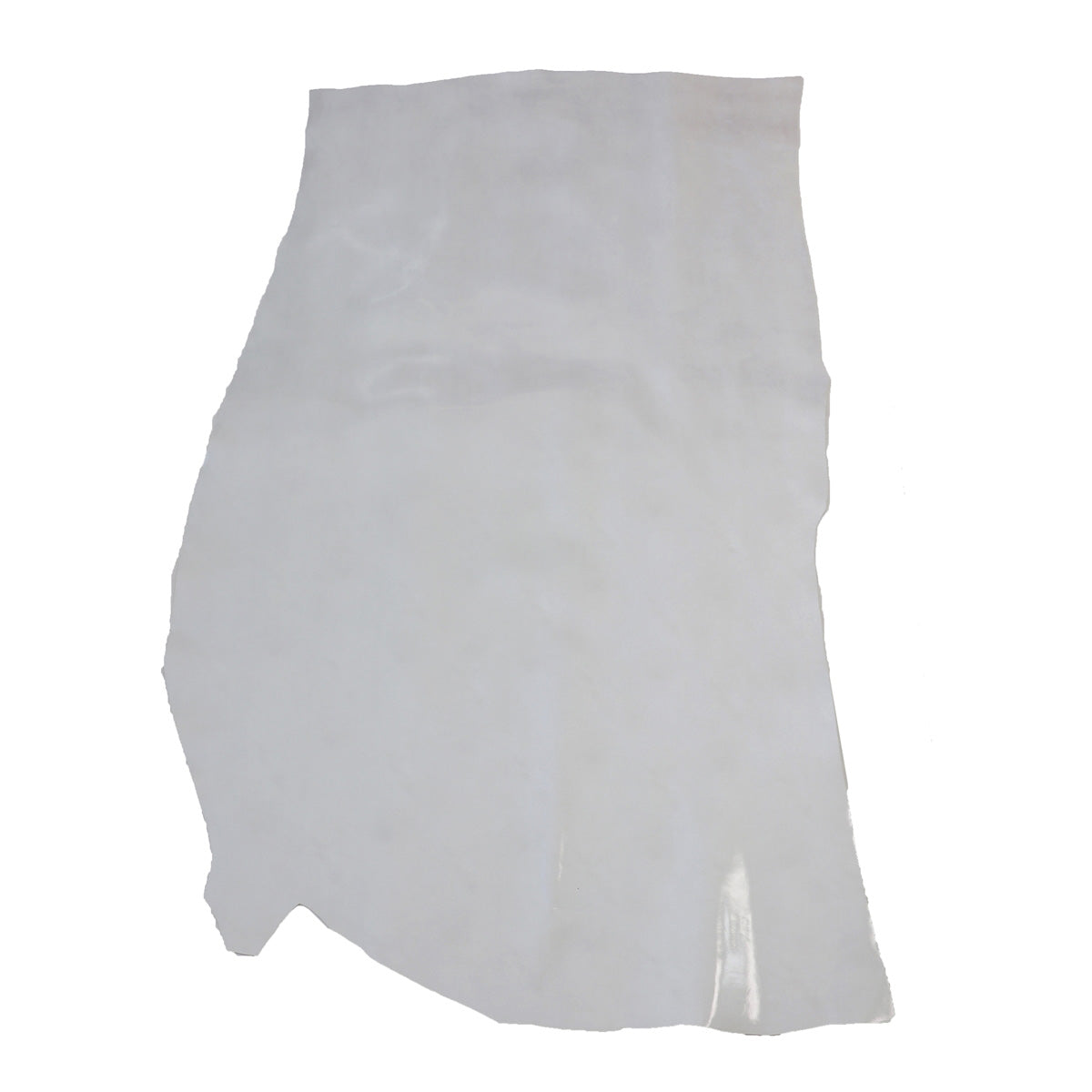
Patent: accentuating light and color
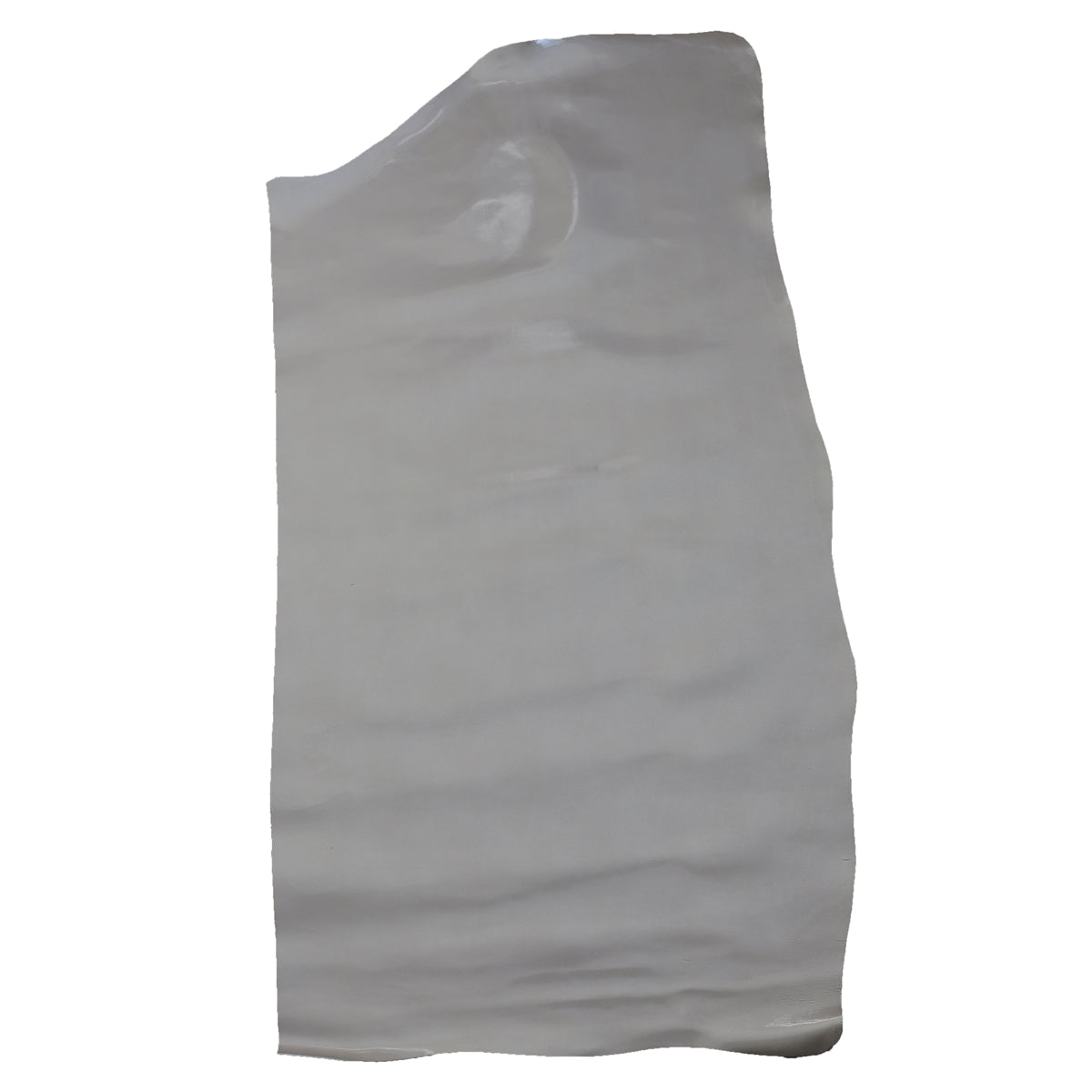
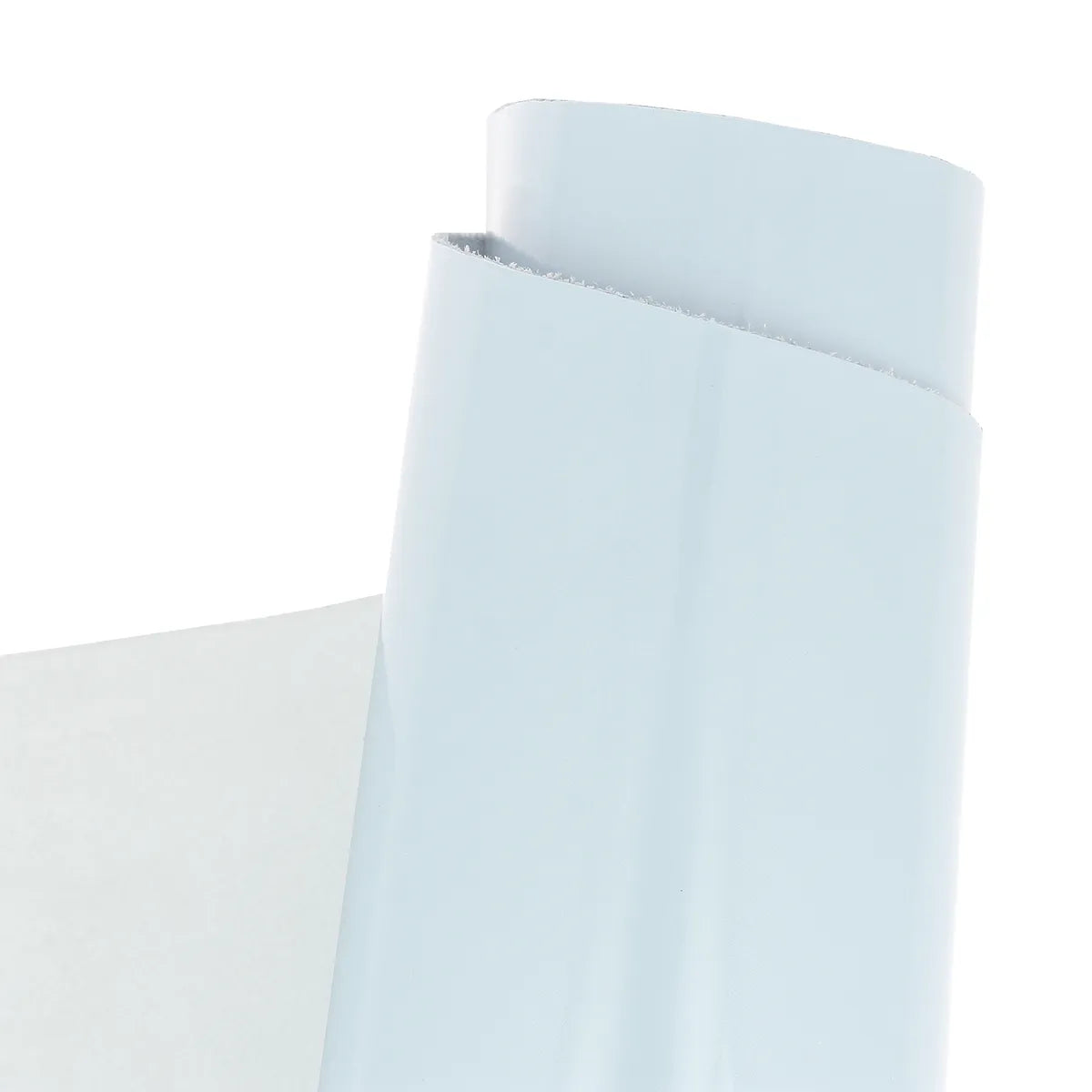
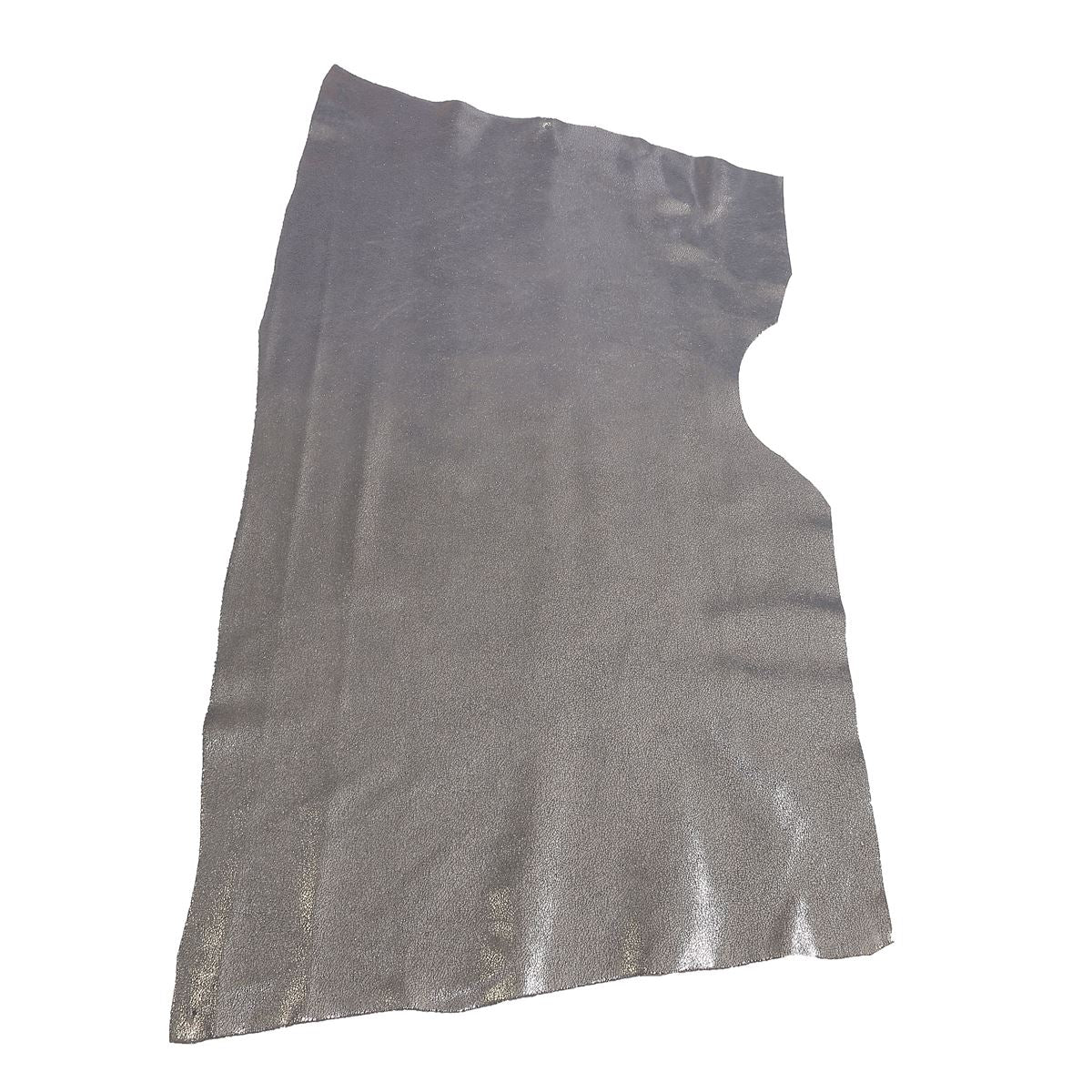
Patent split leather is part of a logic of contrast. The surface reflects light and modifies the perception of volumes. Colors become more intense, sometimes satiny, sometimes frankly brilliant depending on the finish. This treatment places the material in the foreground. The leather takes a dominant visual place. This split leather is used on visible elements such as bag flaps, exterior faces, decorative inserts, panels, or accessories where the visual aspect really matters.
Available formats and cutting logic
The surfaces offered range from small formats to hides exceeding one square meter. This choice directly influences the project's construction. A large surface limits seams and stabilizes the rendering. A smaller format facilitates the integration of the material on repeated or secondary pieces.
Like any processed material, split leather presents variations. Surface treatments and decorative effects sometimes accentuate these differences, which contribute to the visual identity of each hide.
Assembling split leather: adapting the gesture to the surface
Split leather is worked according to its finish. In suede, the surface remains open and marks more easily with friction. Repeated handling, recutting, or prolonged pressure quickly become visible, which requires regular setup and controlled movements. Slight traces can, however, be attenuated by brushing or simple use.
With a coated or patent finish, cut lines, stitching, and alignments appear immediately. Gaps are more noticeable, especially on light or shiny colors. Careful edge preparation, straight stitching, and precise assembly then become crucial to maintaining a clean appearance.
Thickness, flexibility, and support of split leather
Some split leathers accompany flexible projects, while others provide more support. The choice is therefore made according to the desired rendering and the behavior sought over time.
- Approximately 0.8 to 1.1 mm: flexible split leathers, suitable for soft bags, tote bags, light accessories, or pieces requiring flexibility.
- Around 1.2 to 1.4 mm: intermediate thicknesses, used for bag fronts, pouches, or elements requiring a good balance between flexibility and hold.
- From 1.5 mm and more: firmer split leathers, intended for bag bottoms, structural panels, or elements subjected to repeated stresses.
The selection of split leathers offered by Deco Cuir brings together materials designed for projects where the surface becomes a creative element in its own right. The leather is no longer read solely by its nature, but by the effect it creates.