- Home
- STRAPS AND HANDLES
Leather strap
199 products
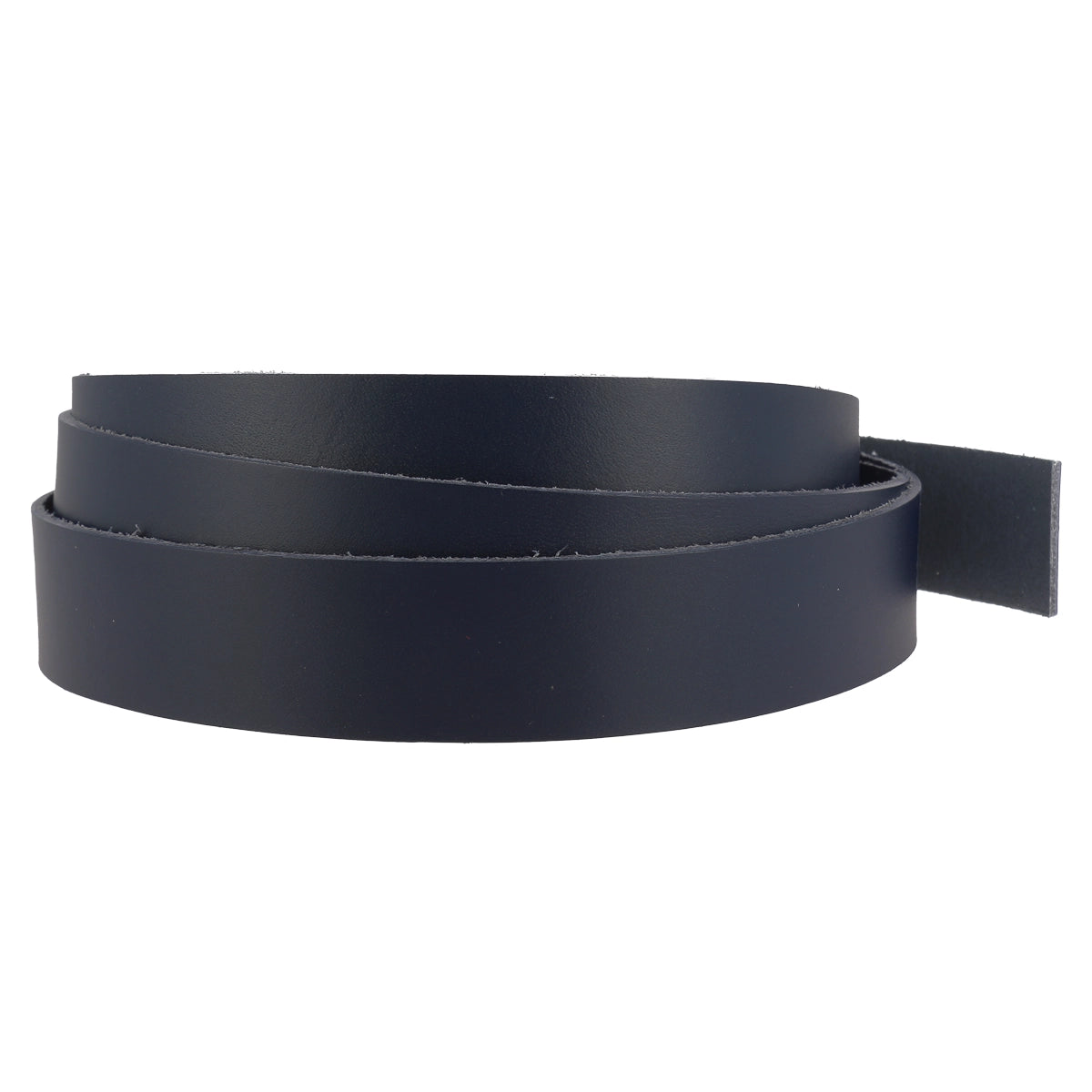
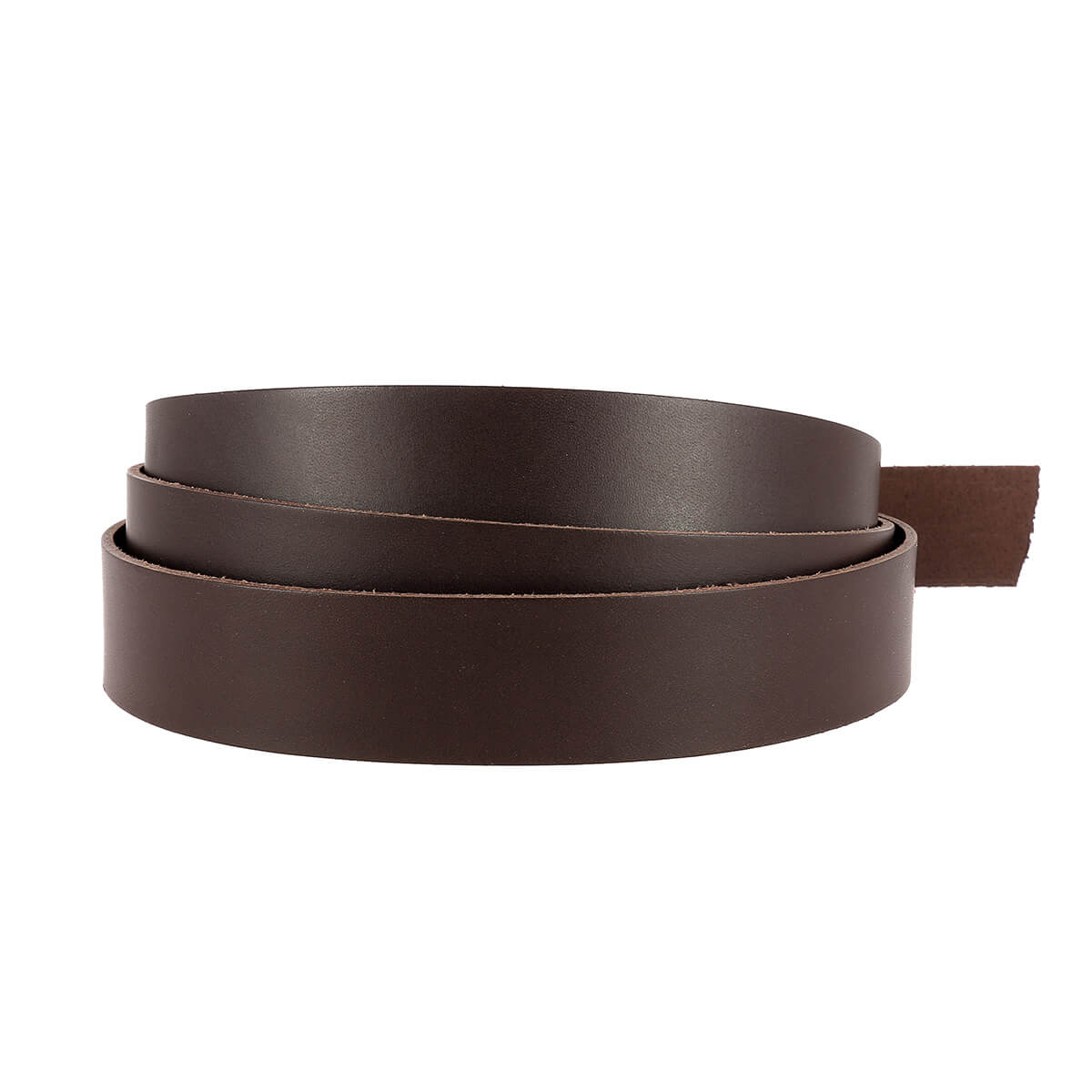
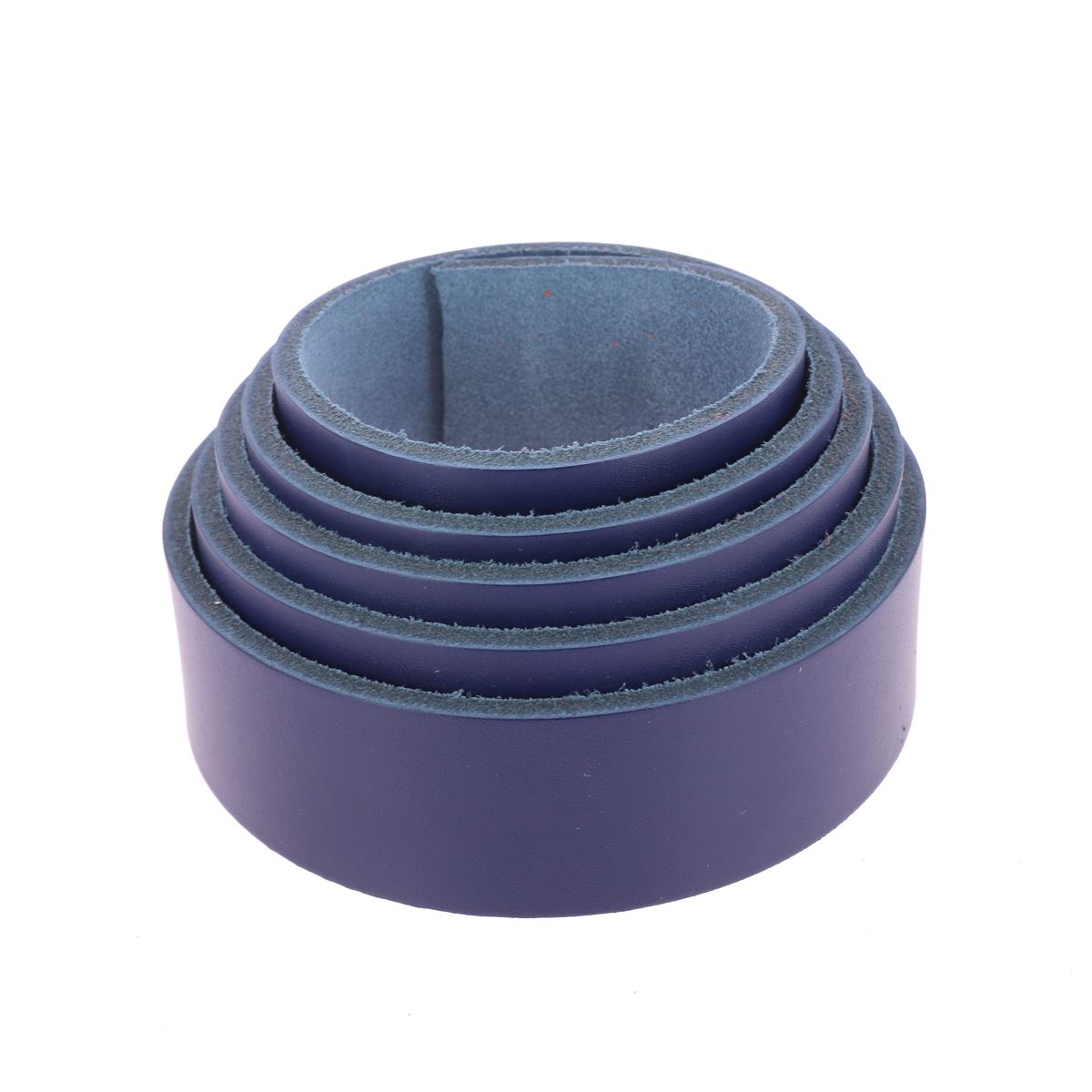
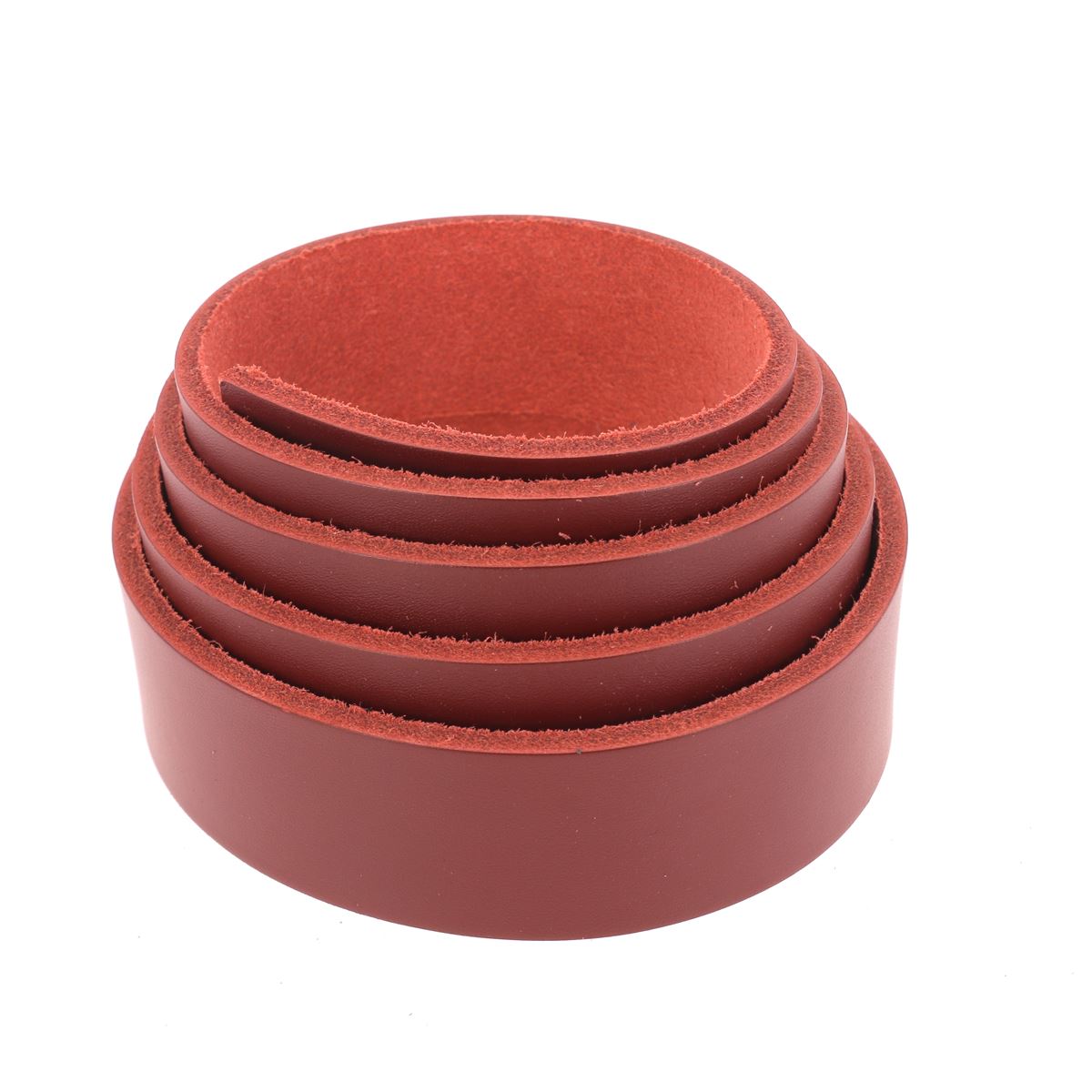
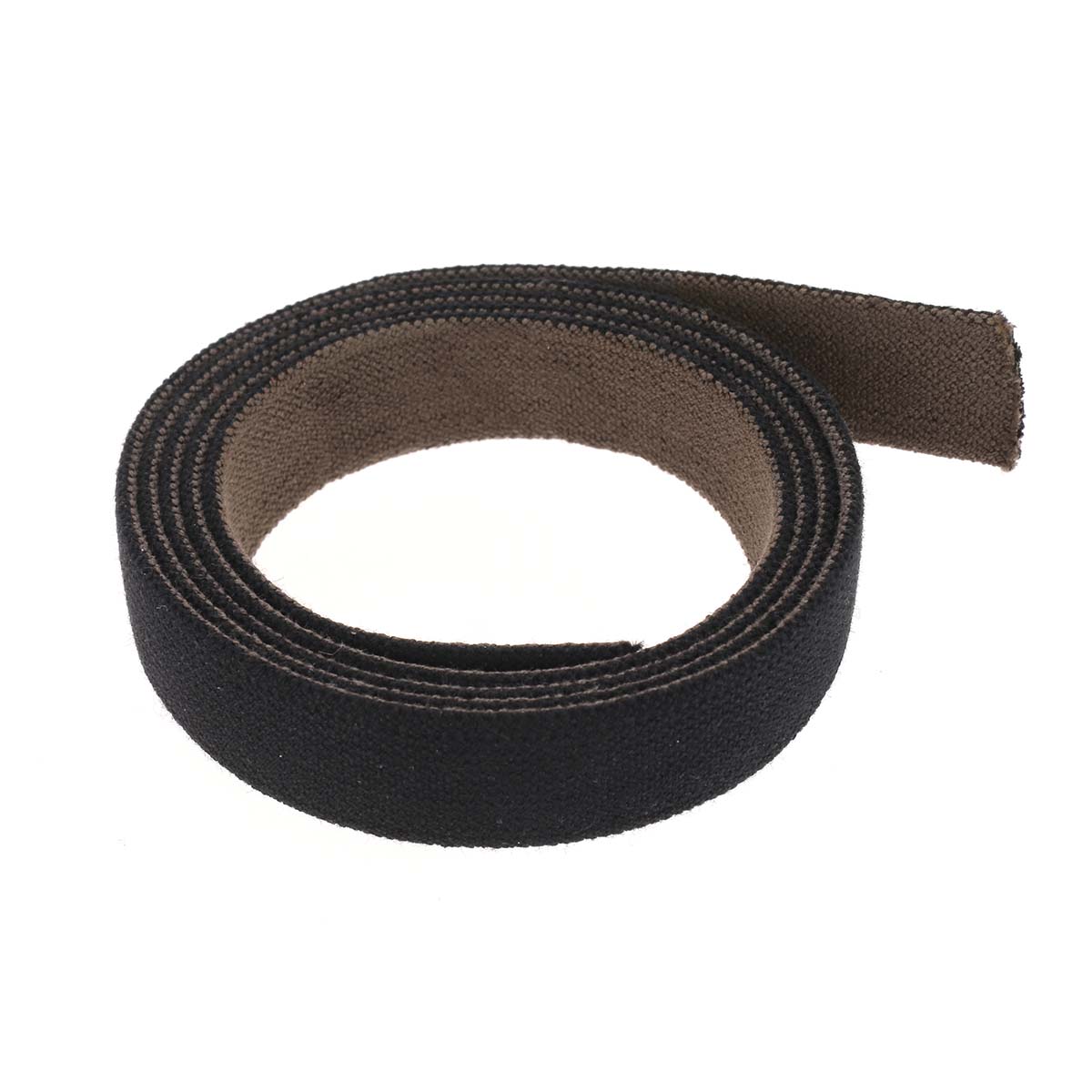
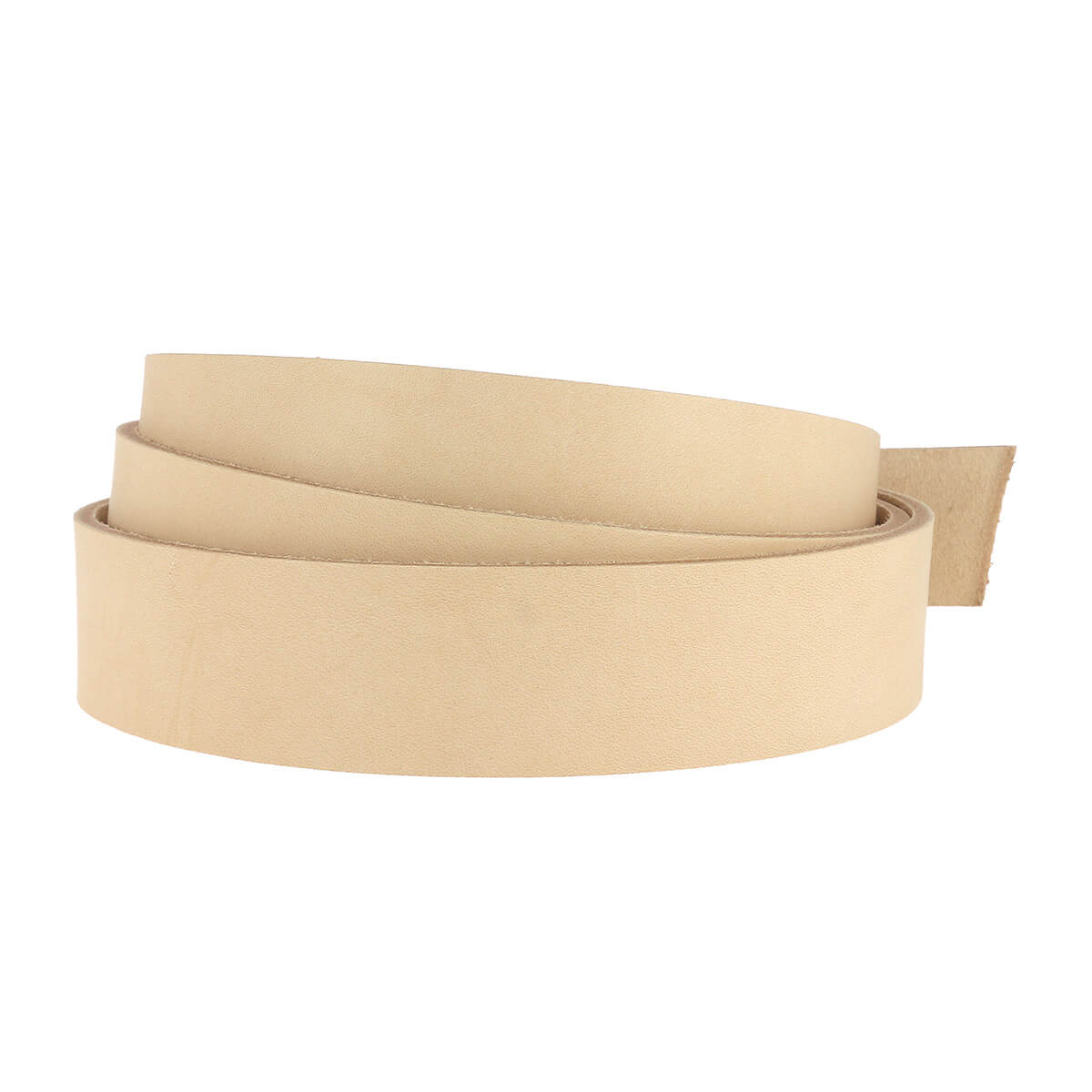
A leather strap is quickly judged by its hold, its feel, and how it behaves when folded. Depending on the project, the same strip can serve as a loop, a bag handle, a shoelace, a strap, or a belt base. The main differences lie in the tanning, thickness, type of leather, and surface finish. On the Deco Cuir website, you will find options by the meter, cut to size, and in kits, including strips ready to assemble or customize.
Formats made for belts, bags, and leather goods
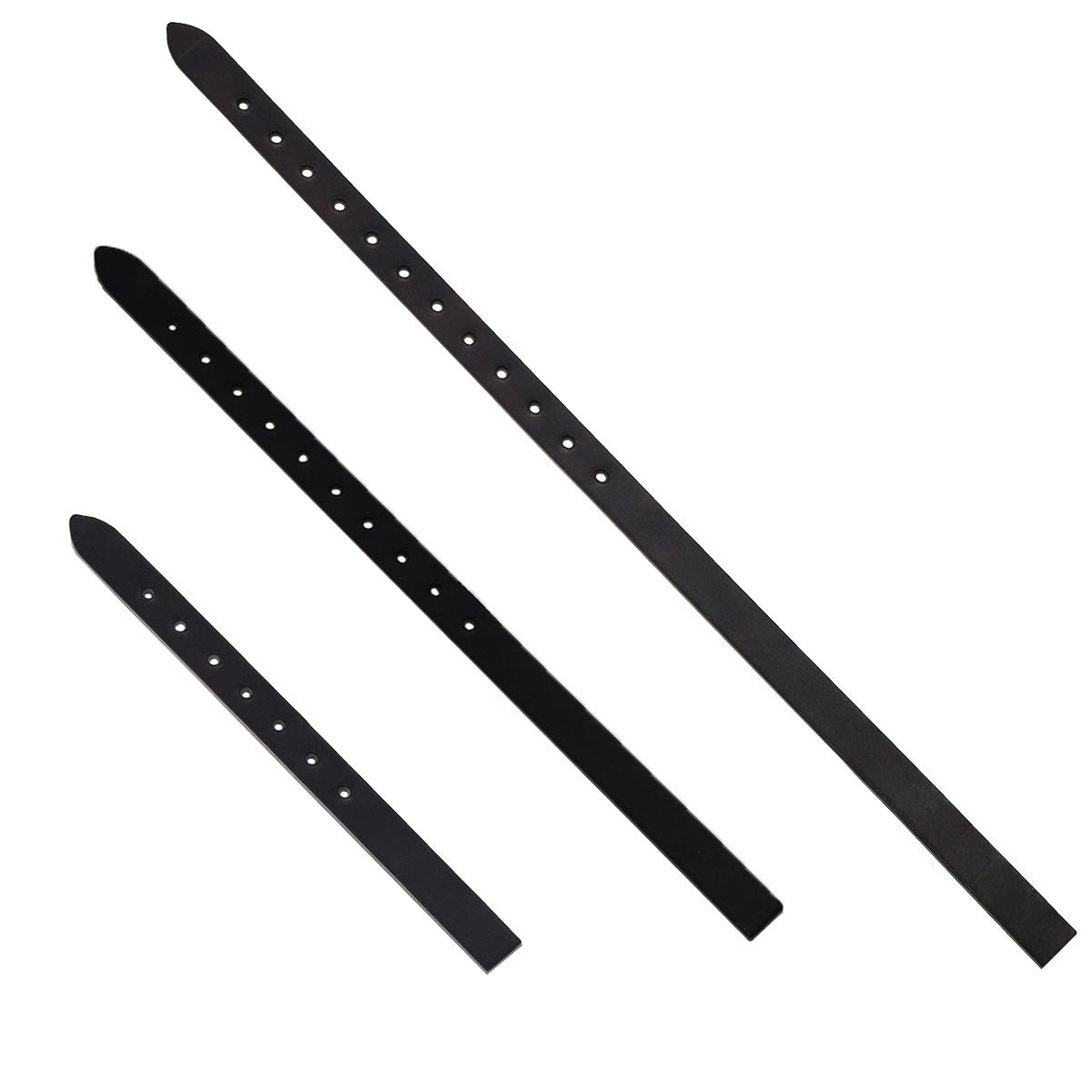
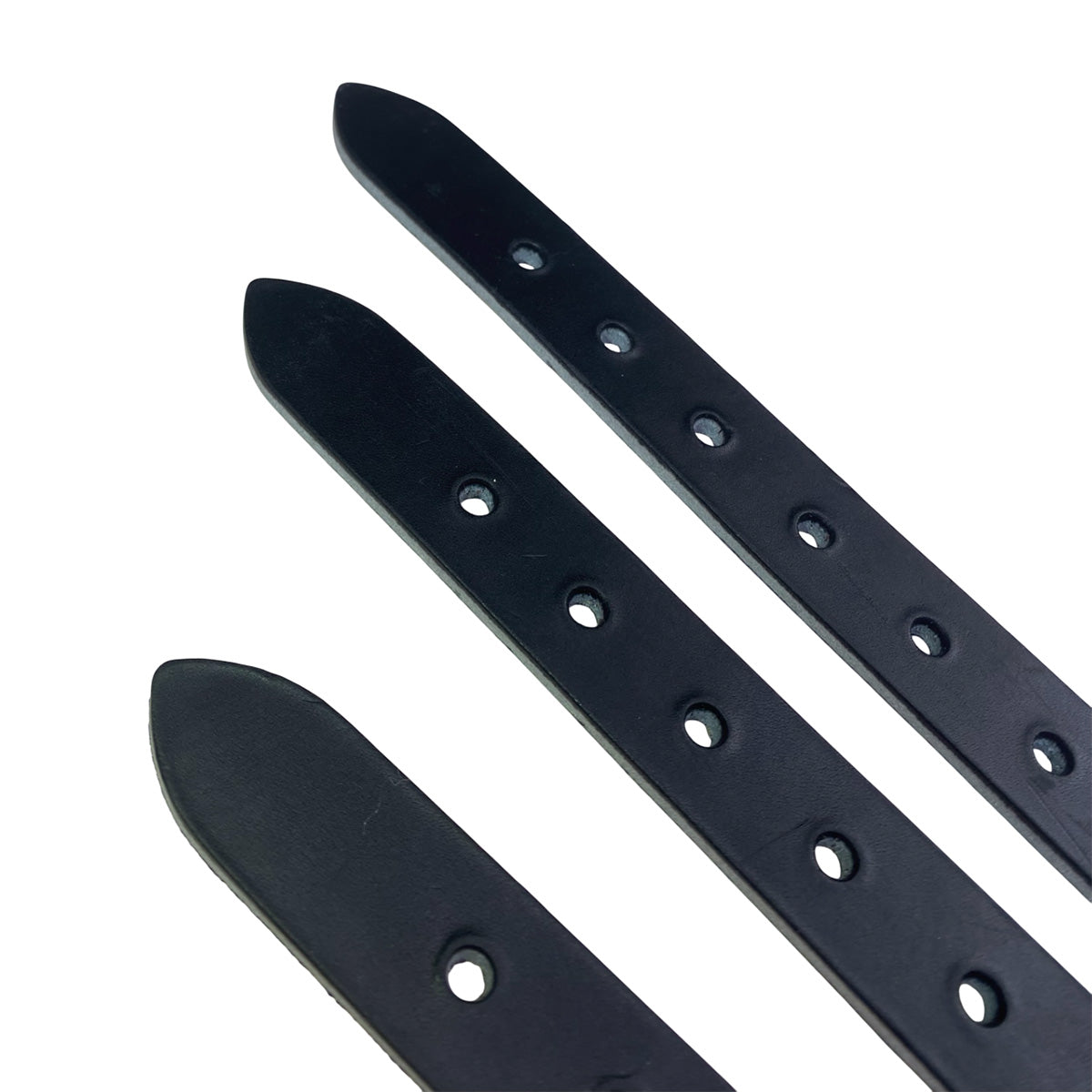
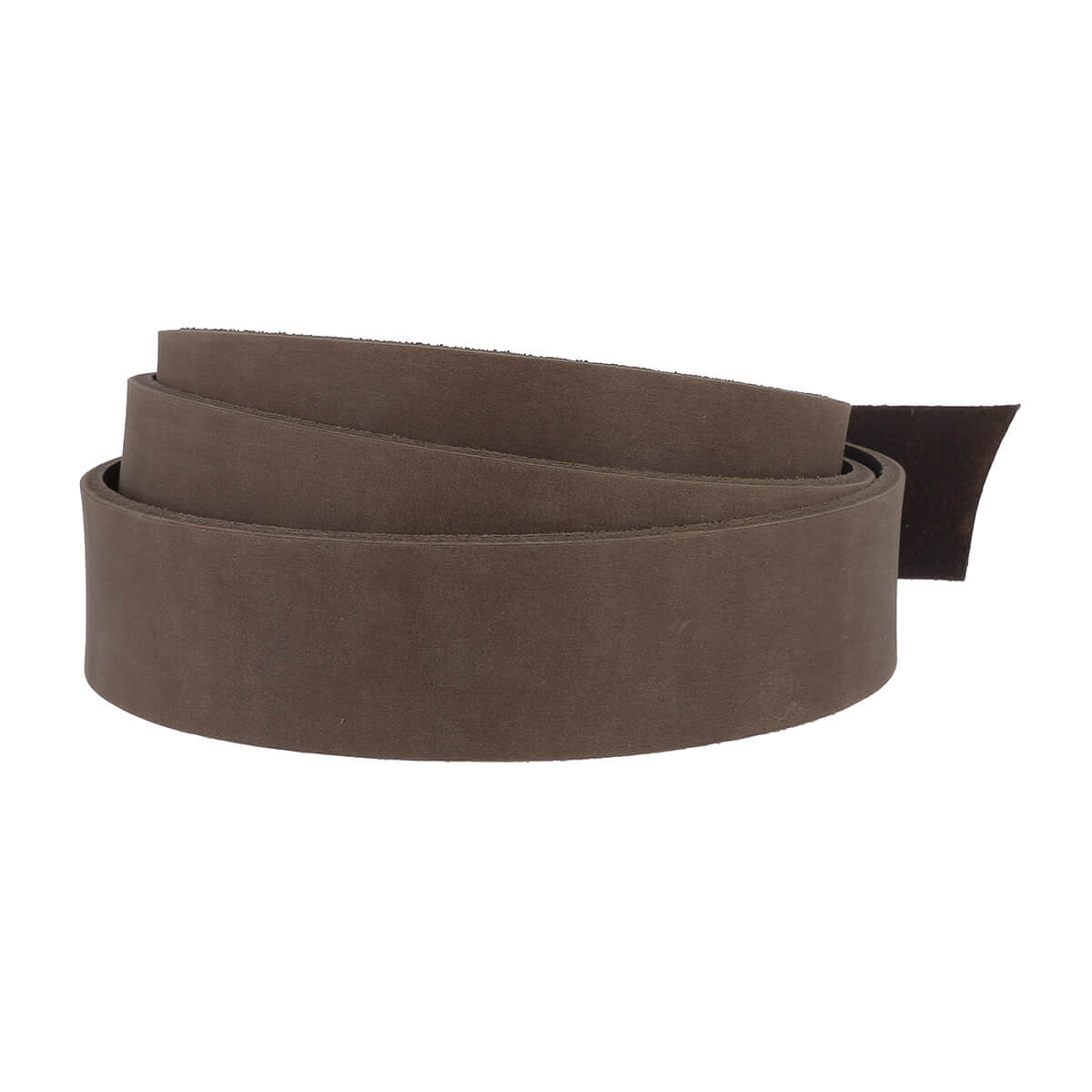
A leather strap intended for a belt requires clear stability. The leather must remain straight, withstand tension, and maintain a clean edge. Straps cut from dense areas (neck, rump, back) often offer better support, especially when you plan for a buckle, holes, or assembly with Chicago screws. Conversely, a more flexible strap is better suited for small leather goods details, ties, bag edgings, or decorative assemblies where flexibility is important.
This category includes several useful families in a workshop:
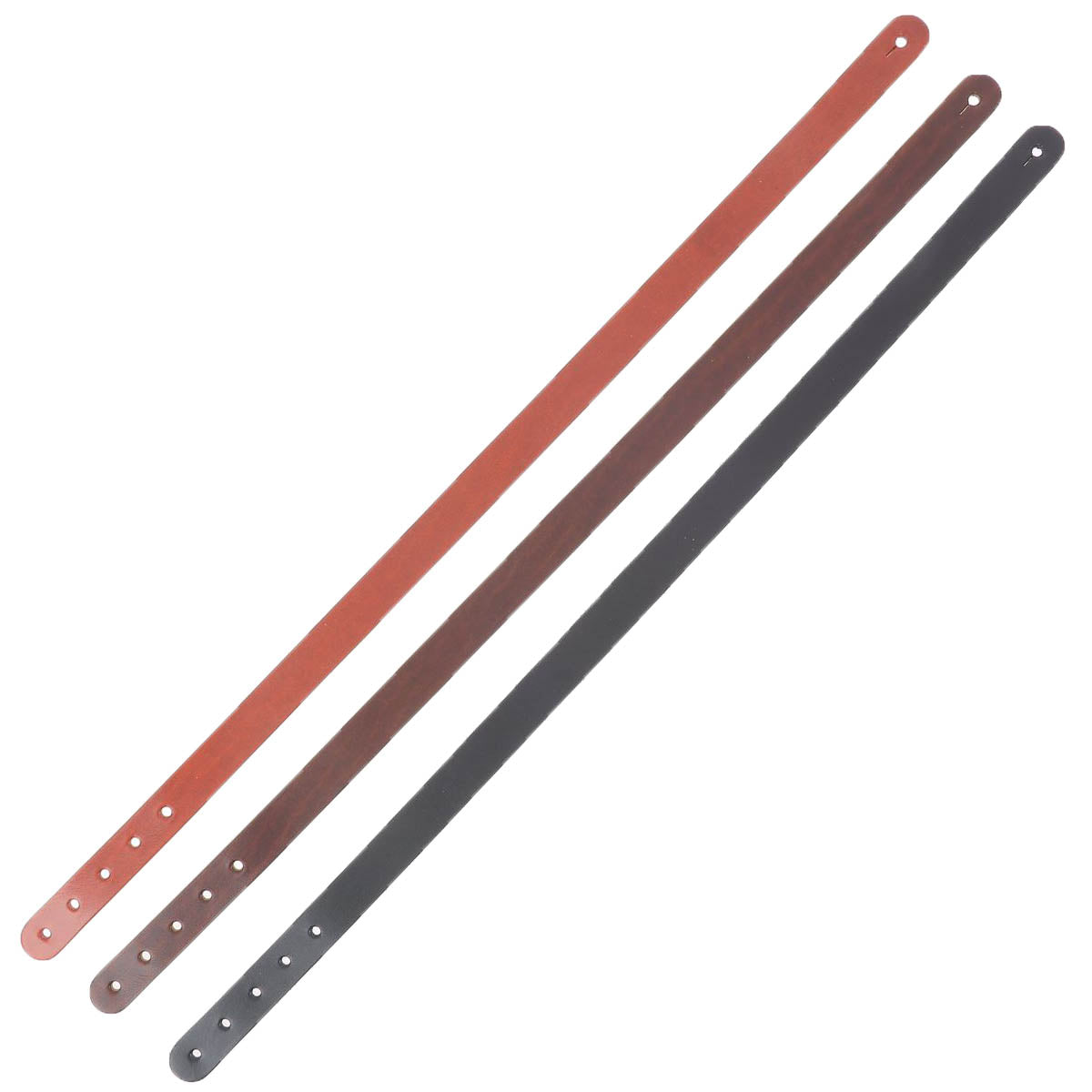
- Leather strap for belts, in wider strips, ready to be buckled or assembled;
- Straps for loops, in short lengths, designed for a clean finish;
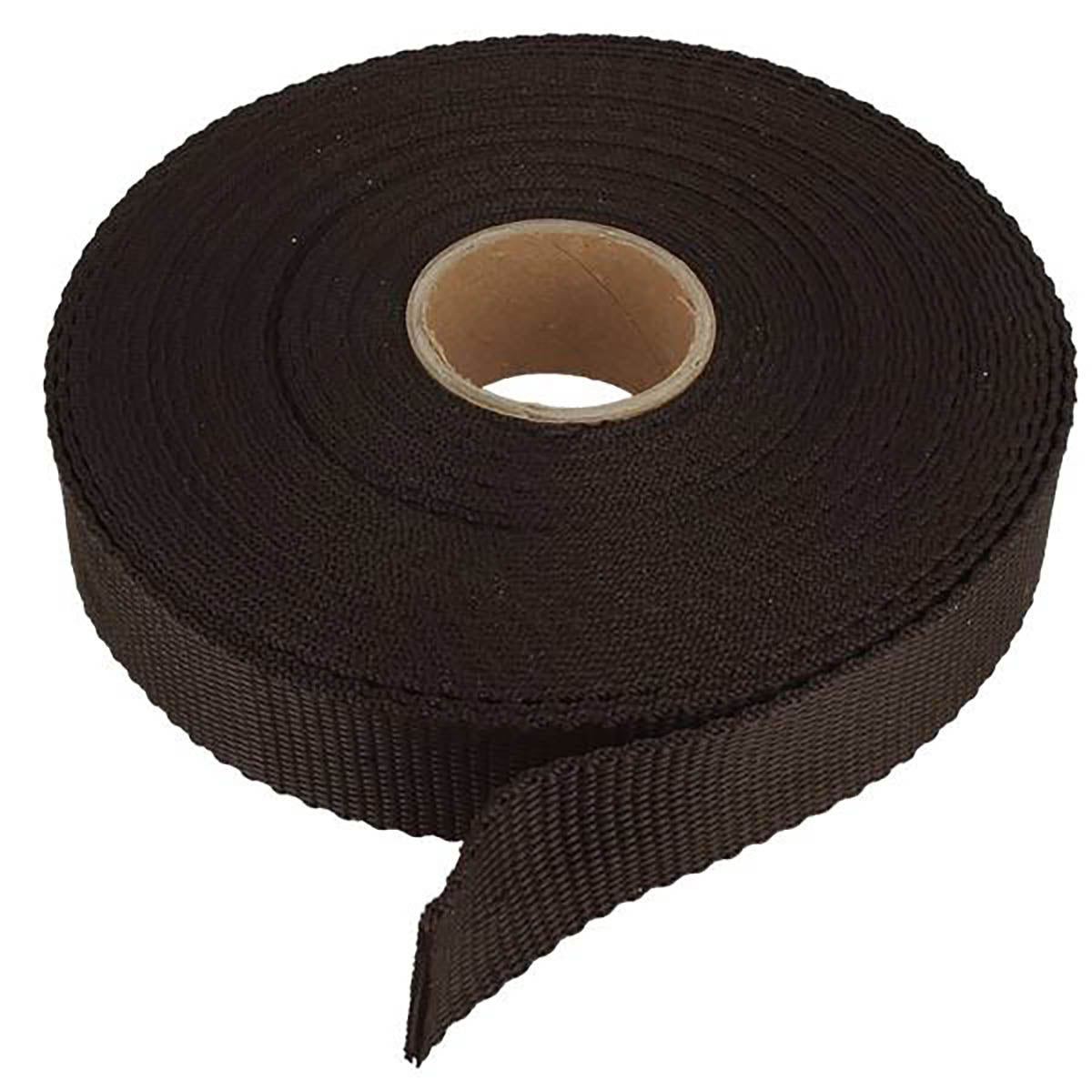
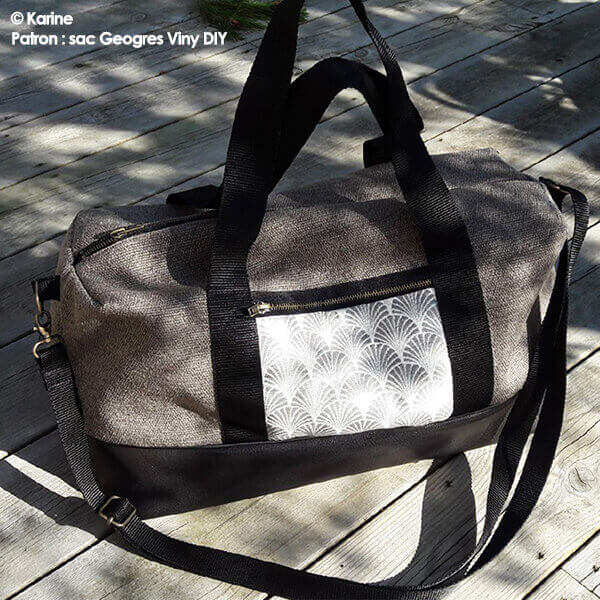
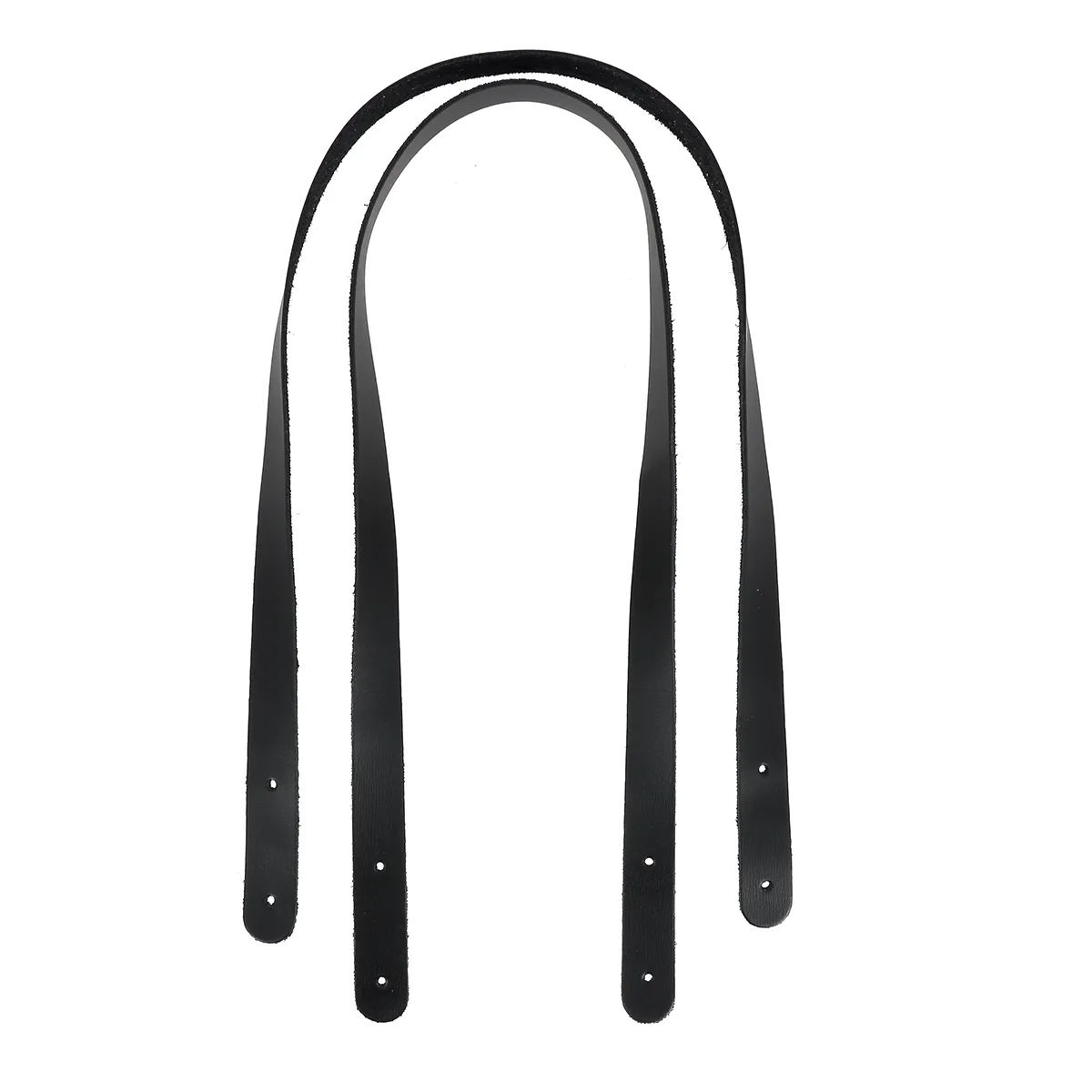
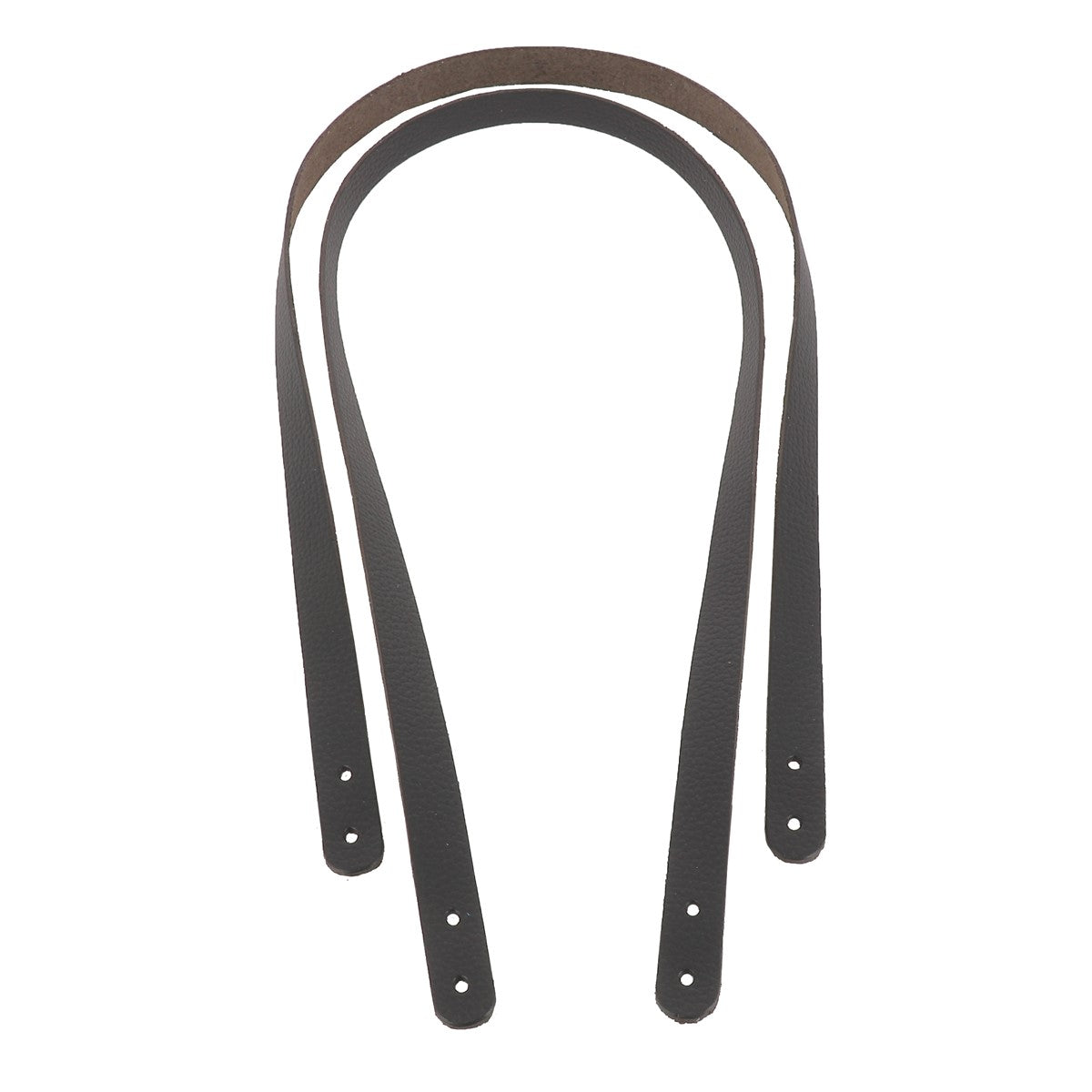
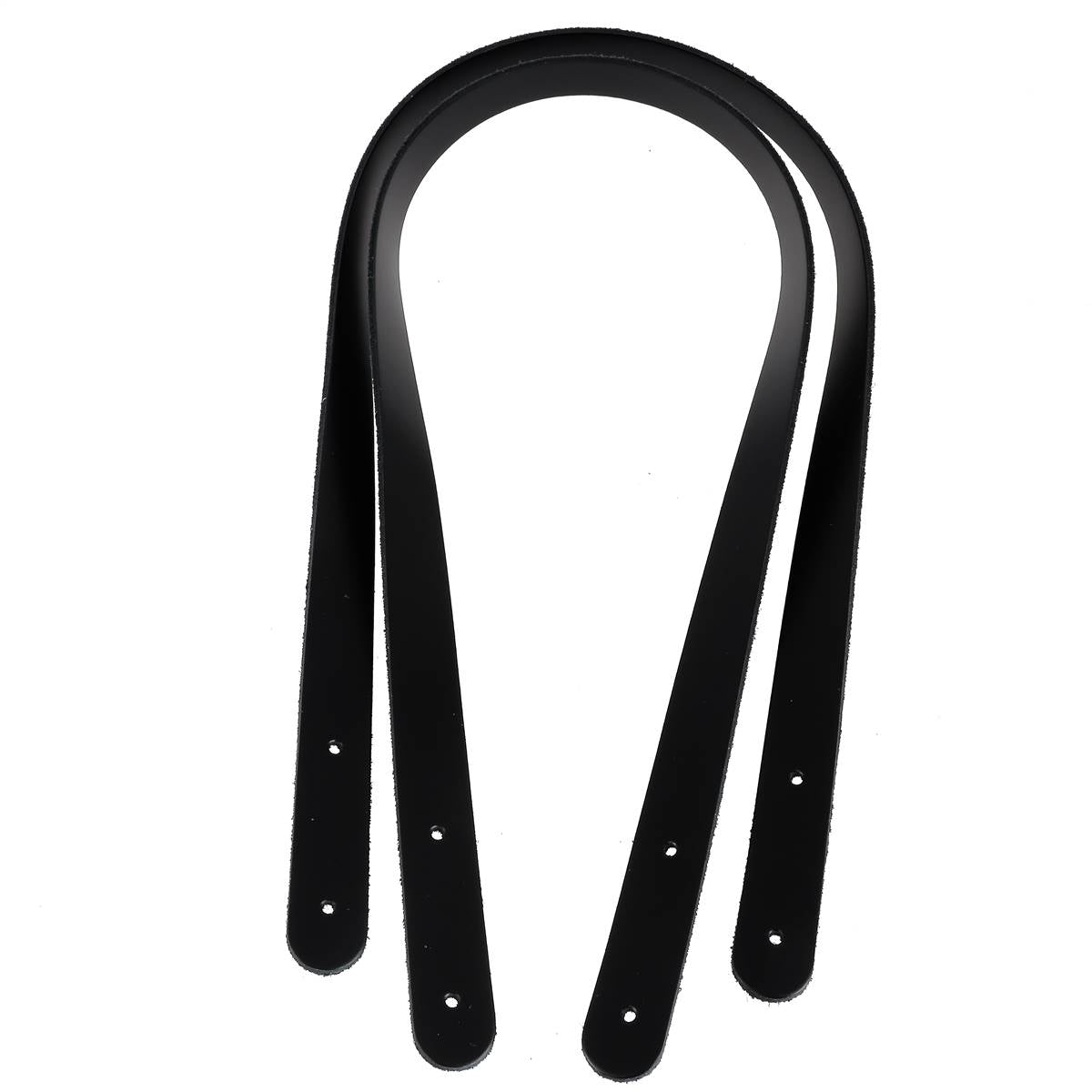
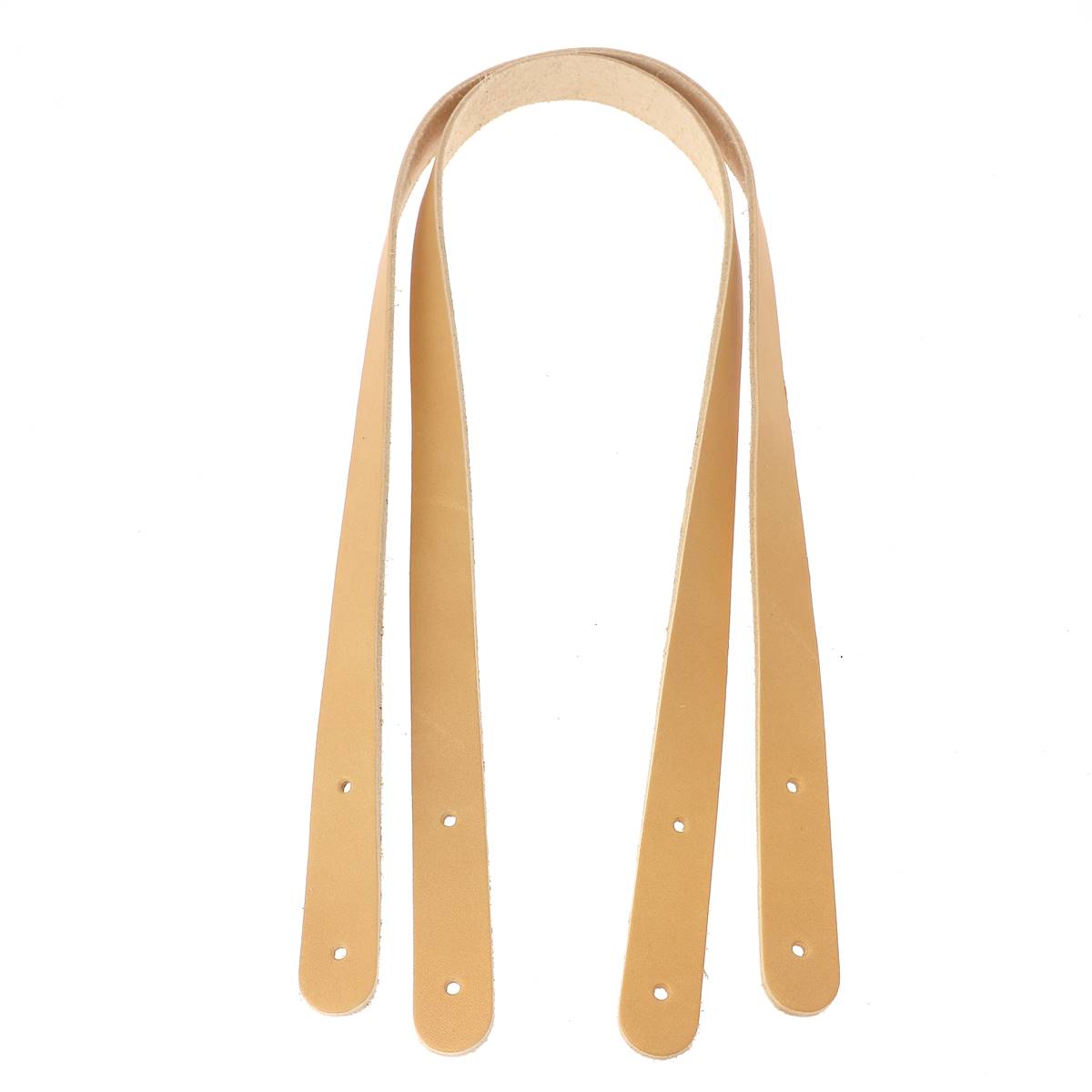
- Bag handle and associated reinforcements, for building a stable and comfortable handle;
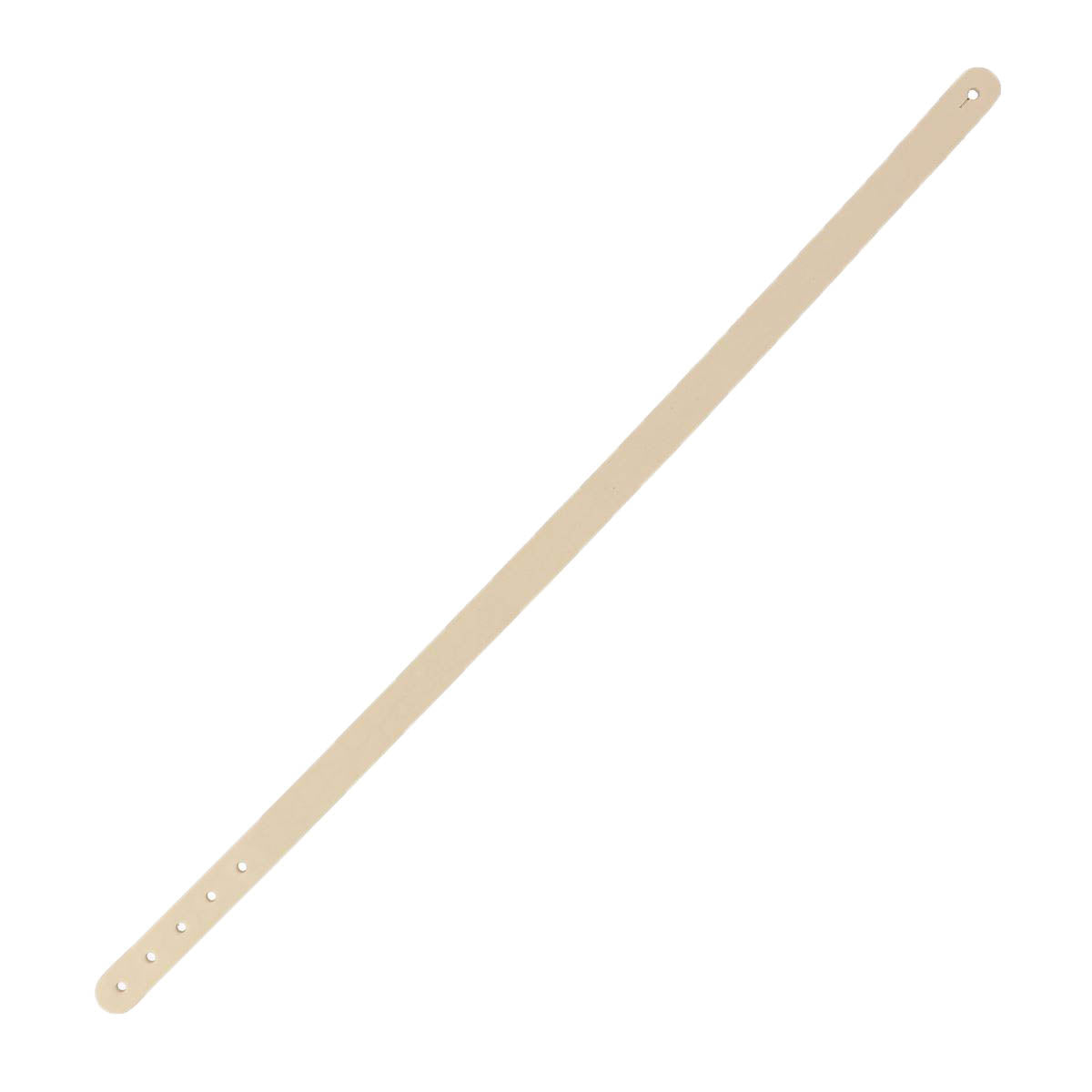
- Cut-outs (bracelets, handles) to save time on preparation.
This breakdown helps you choose according to your action: piercing, riveting, sewing, gluing, dyeing, burnishing. It also limits unpleasant surprises during assembly, particularly regarding rigidity and the appearance of the edges.
Vegetable tanning or mineral tanning: hold, patina, behavior
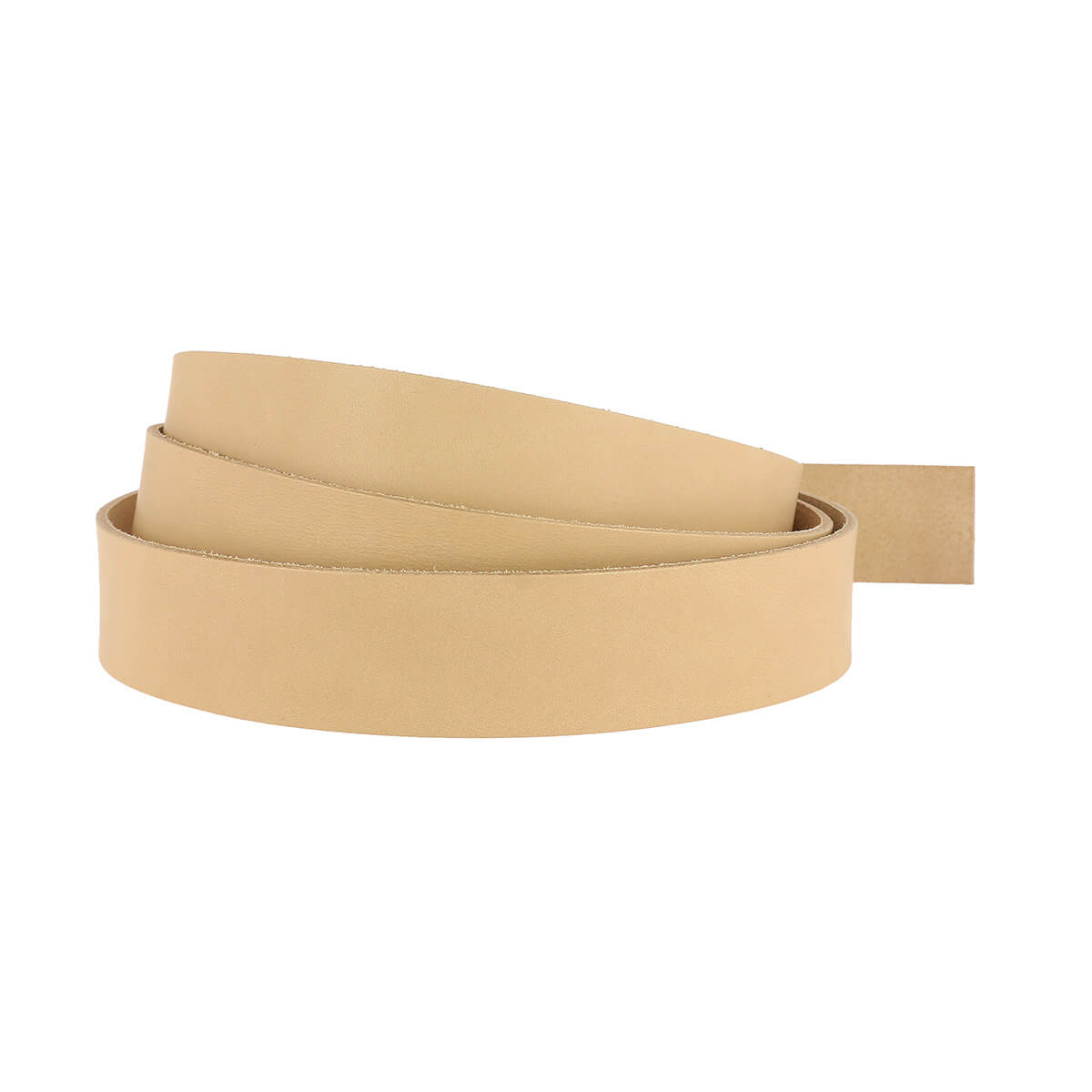
Tanning influences how the strip ages and is worked. A vegetable-tanned leather strap is recognized by its "frank" response: it marks, develops a patina, readily accepts certain edge finishes, and lends itself to customization (dyeing, stamping, burnishing). Depending on its density, it can be suitable for a belt, a shoulder strap, or saddlery parts.
A mineral-tanned leather strap (chrome or mixed, depending on the series) often provides more immediate flexibility and a different color stability. Smoother to the touch, sometimes more "round," this type of leather offers a drape suitable for handles, ties, or assemblies that tolerate less stiffness. The right choice depends on your final use: tension, repeated folding, hand contact, friction, humidity.
In the selection, you will also find nourished, oily, or tumbled leathers. These finishes alter the appearance and feel. A nourished leather tends to give a more lively surface and better tolerance to handling. A drier leather facilitates certain gluing and a clearer reading of the edges.
Finishes, textures, and edges: how the material changes during assembly
On a strip, the surface and edge are as important as the thickness. A dyed edge, black for example, gives an immediate graphic result. It avoids a complete redo if you want an already uniform edge. A natural edge, however, leaves more room if you are considering a custom dye or finish.
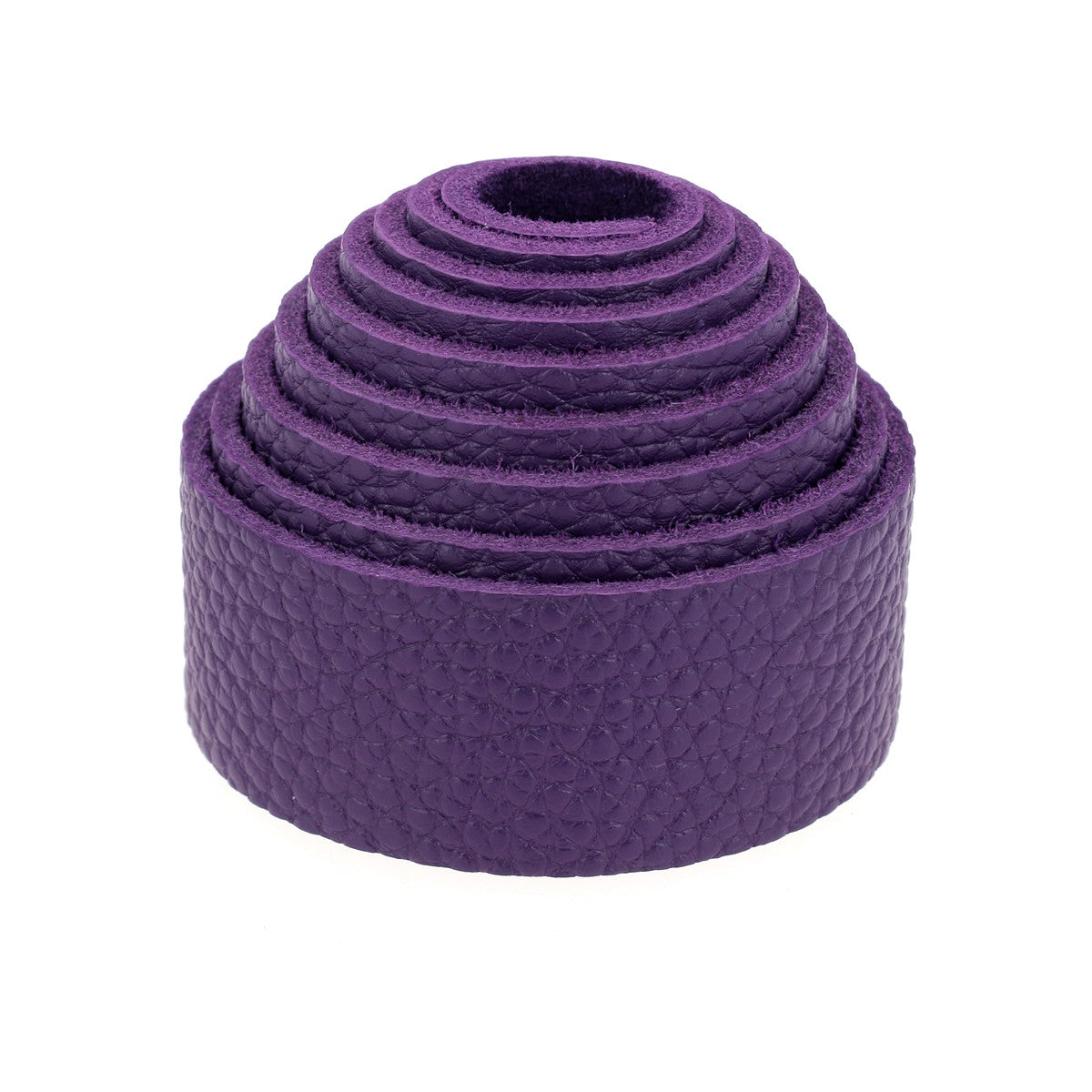
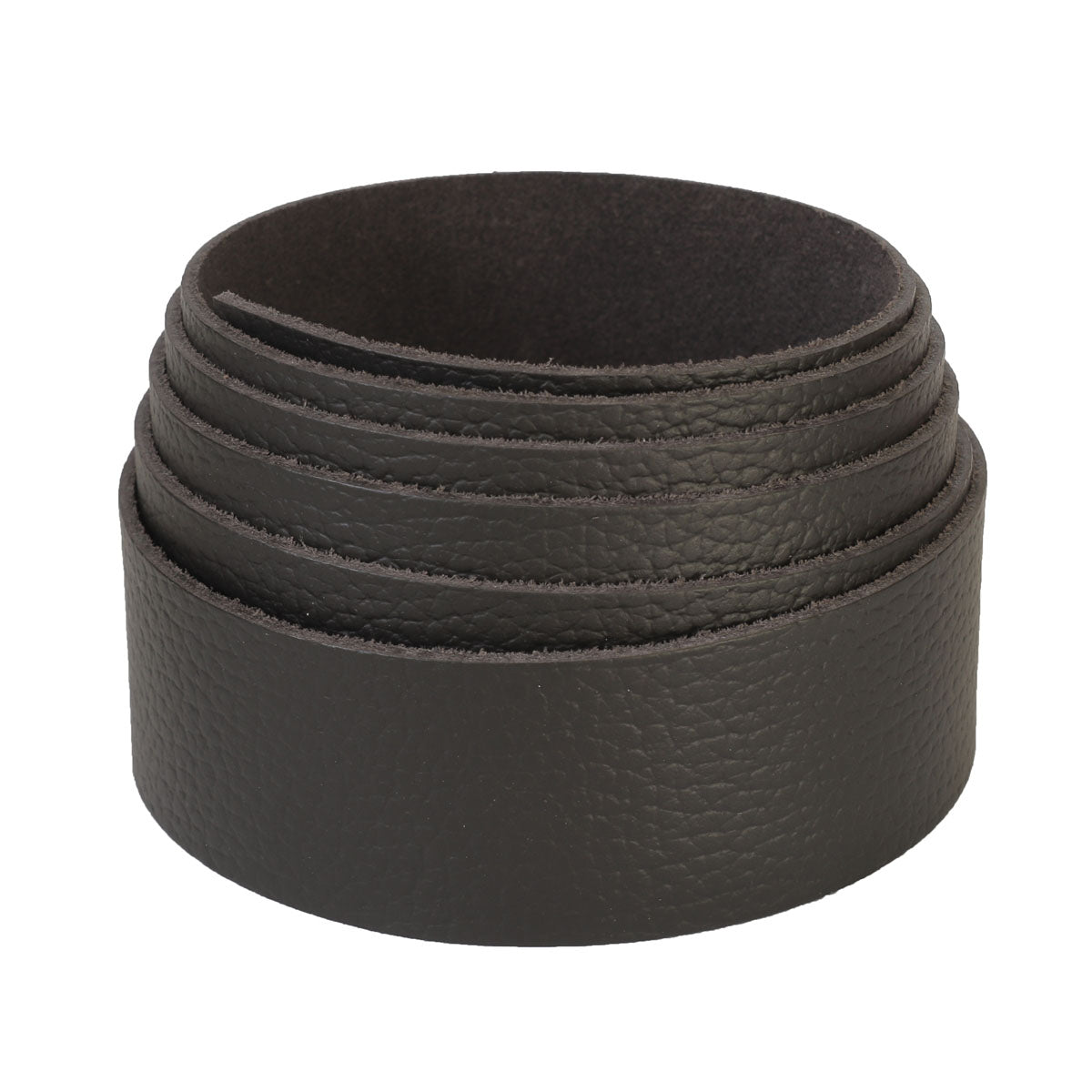
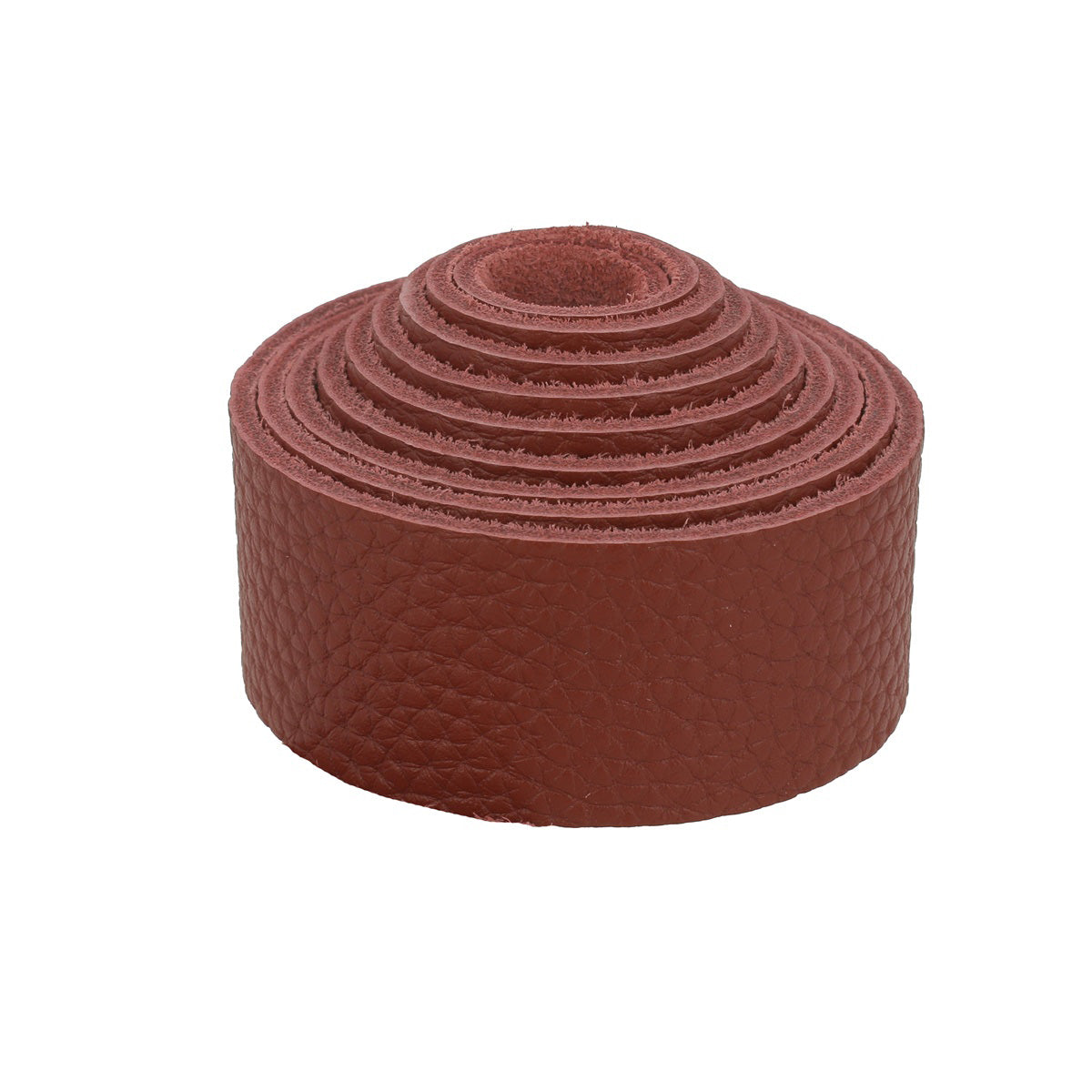
The grain and surface also alter the final perception. Smooth leather presents a clean and regular line. Grained leather, on the other hand, provides a subtle relief and more easily hides micro-traces of use. With a "Grograin" type finish or a texture imitation, the rendering becomes more pronounced, a relevant choice for a shoulder strap or a handle left visible.
For pieces that need to "become one" with the bag, the category includes technical elements: cords/beading, internal reinforcements, claw strap ends, sugherite, strap loops. These accessories secure the assembly and achieve a more consistent drape on a handle.
Laces, jewelry, piping: small formats
Not all straps are worn wide. Leather laces and thin straps are used to close, tie, adjust, decorate. A flat lace can be slipped into loops, tied, braided, or used as a retaining tie. The jewelry strap goes even further in finesse, with designs intended for customizable bracelets, necklaces, light closures, or contrasting details on small accessories.
Another function, another logic: leather piping. Here, it is not about tying, but about defining. By highlighting a seam and protecting an edge, it structures the border, creates a regular relief, and draws a continuous line on a bag, clutch, or case.
Lengths, widths, and coherence of your project
A leather strap is chosen with simple benchmarks: useful width, thickness compatible with the buckle or stitching, acceptable bending radius, and expected edge quality. Thicker strips hold better, but they bend less easily. Conversely, a thinner strap sews quickly and follows curves without excessive resistance. In return, it withstands certain mechanical stresses less well.
The availability of cut-to-size formats (by the centimeter or in portions) helps adjust your needs without overstocking. Rolls and yardage are suitable for series, repeated handles, or continuous lengths. To validate a color, feel, or hold before starting a piece, leather samples and leather scraps offer a more progressive approach. A useful solution when you are hesitating between several finishes.