





REQUIRED MATERIALS
- 2 double-bar roller buckles, 13 mm wide
We recommend double-bar roller buckles for a tighter fit.
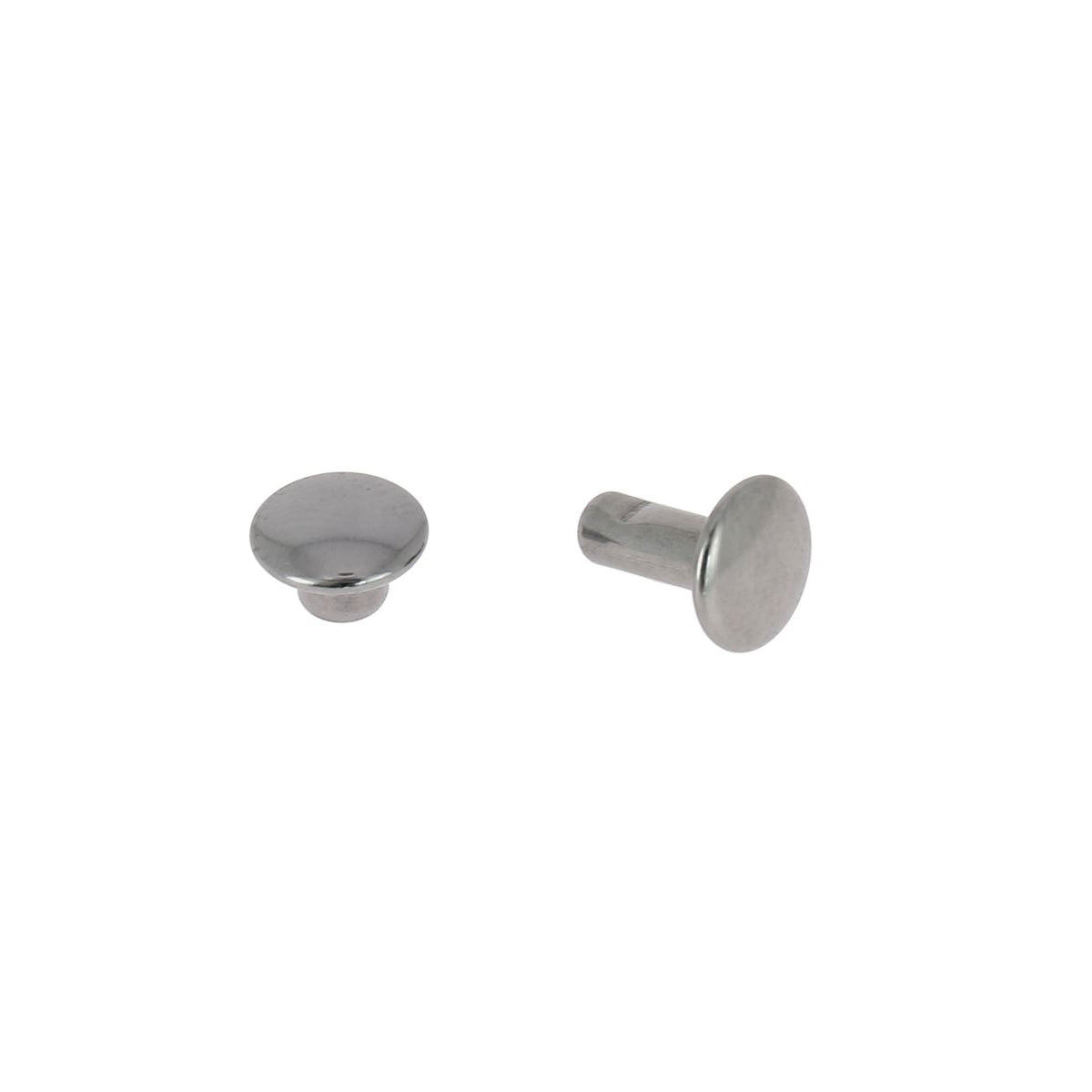
- 4 T3 double-cap rivets and the setting tool
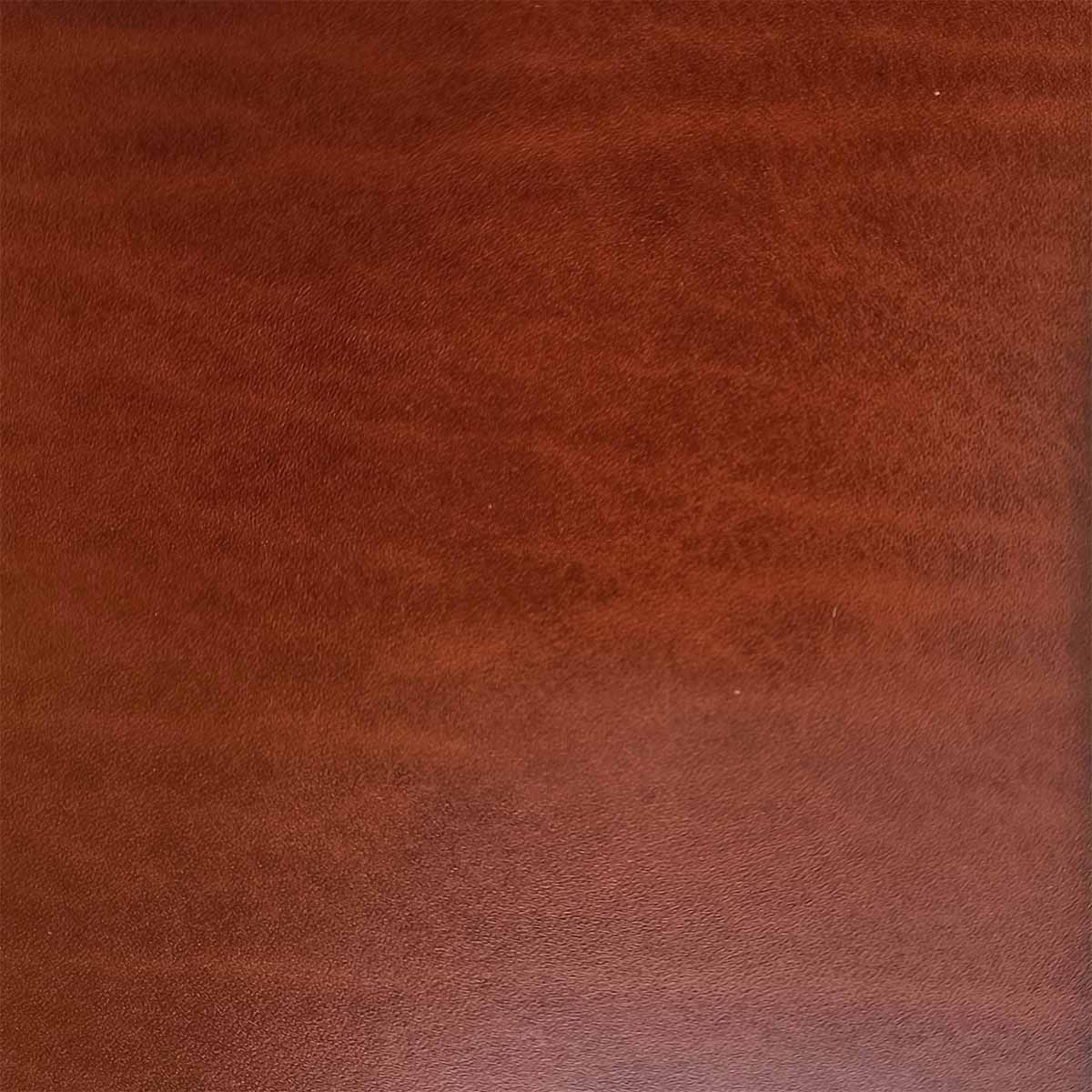
- 1 piece of vegetable-tanned leather 20 x 30 cm - Thickness ≈ 1.9 mm - Fairly firm
We recommend using vegetable-tanned leather to avoid any risk of allergy. Do not hesitate to check out our SAUVAGE range.
- Utility knife
- Round awl
- 3 mm diameter hole punch
- Mallet
- Burnisher (optional)
- Skiving knife (optional)
- Wing divider (optional)
WHICH TYPE OF LEATHER SHOULD YOU CHOOSE?
1. Download the pattern
Download the pattern and print it out at actual size.
For repeated use, we recommend tracing it onto cardboard to create templates.

The pattern is designed for a 20-centimeter circumference, but it can be adjusted to fit your wrist size. You simply need to remove or add centimeters at the dotted lines on the pattern (P1 & P2).
Also, the pattern allows you to make either a single or double strap, depending on your preference.
 |
 |
2. Trace the pattern onto the leather
Trace the pattern onto the leather using a round awl; this allows for a precise and discreet line without the risk of staining or damaging the surface of the leather.

3. Cut out the pieces
Cut out the P2 straps as well as the P1 bracelet.
If you feel comfortable, you can use a half-moon skiving knife, as shown below, for greater precision.

4. Punch the holes
Use a Ø 3 mm round hole punch and a utility knife to create the oblong holes.
 |
 |

5. Skive the straps
Skive the end of the straps at the slot / oblong hole over 1.5 cm.

6. Finish the edges
Sand the edges using an abrasive sponge.

Trace a decorative crease using a wing divider.

Use an edge beveler to break the leather edges to make them more regular and resistant to wear. Apply Tokonole to the edges, then rub vigorously with a cloth.
 |
 |
7. Set the rivets
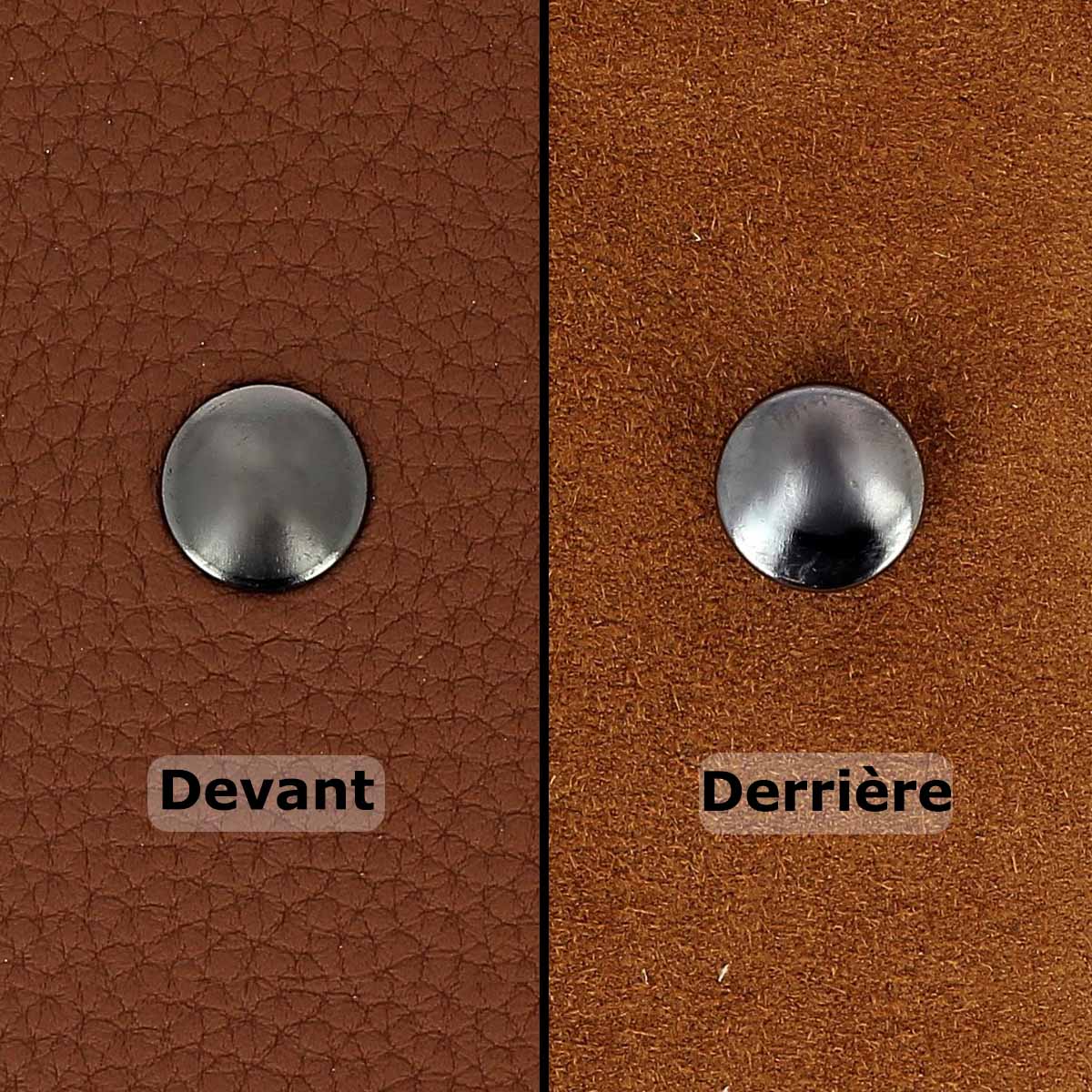
Pass the strap through the buckle and set a rivet to secure it. Repeat the operation for the other strap.

Insert the straps into the bracelet and secure them with a rivet.

YOU HAVE FINISHED!
 |
 |
 |
 |
 |
 |


