














MATERIALS NEEDED
To complete this tutorial, you will need the following supplies:
- 1 piece of natural vegetable tanned CLASSIC shoulder leather - 2.5 mm thick (maximum 3 mm) - 30 x 40 cm
- 1 T3 rivet in antique brass finish
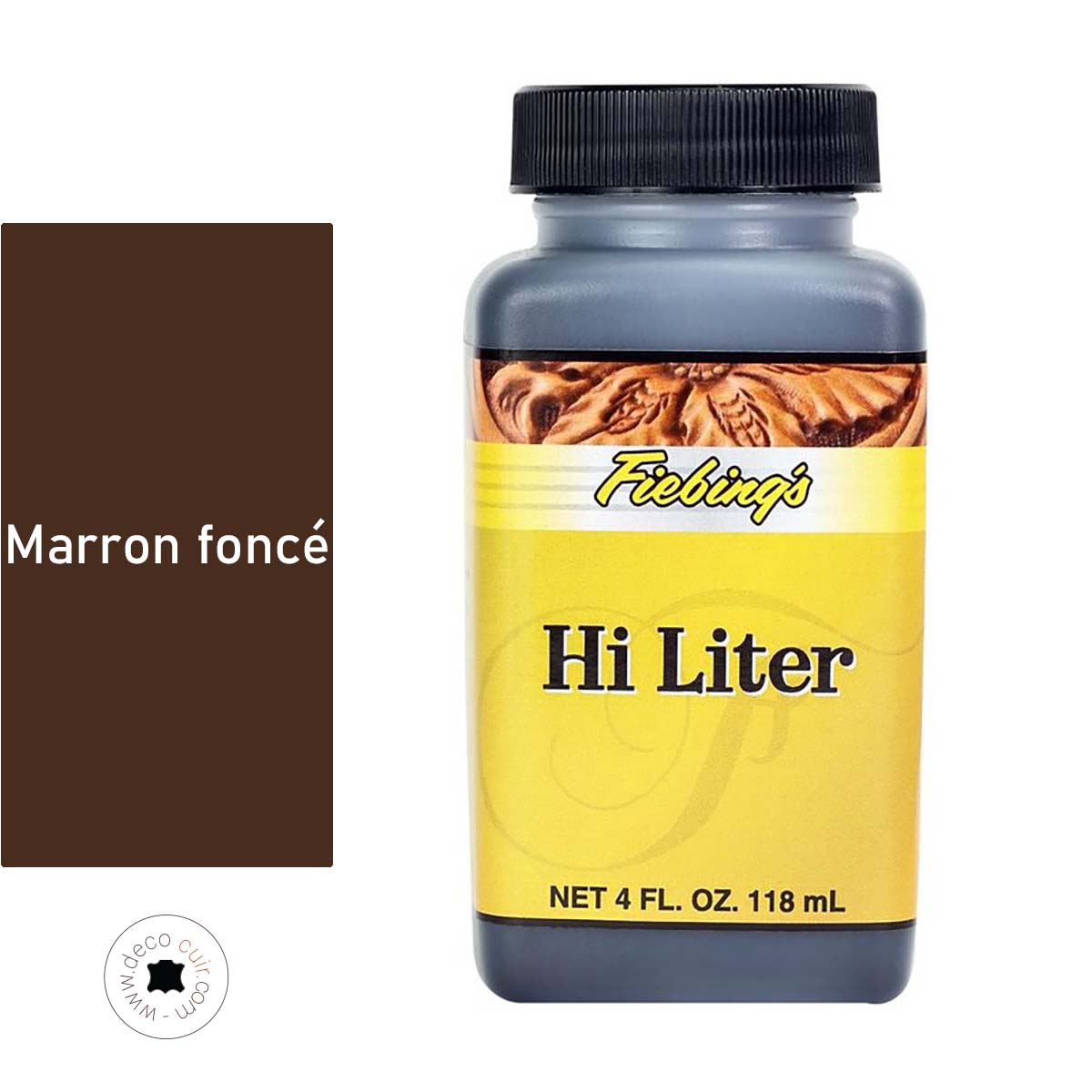
- 1 jar of Hi-Liter carving dye - Fiebing's
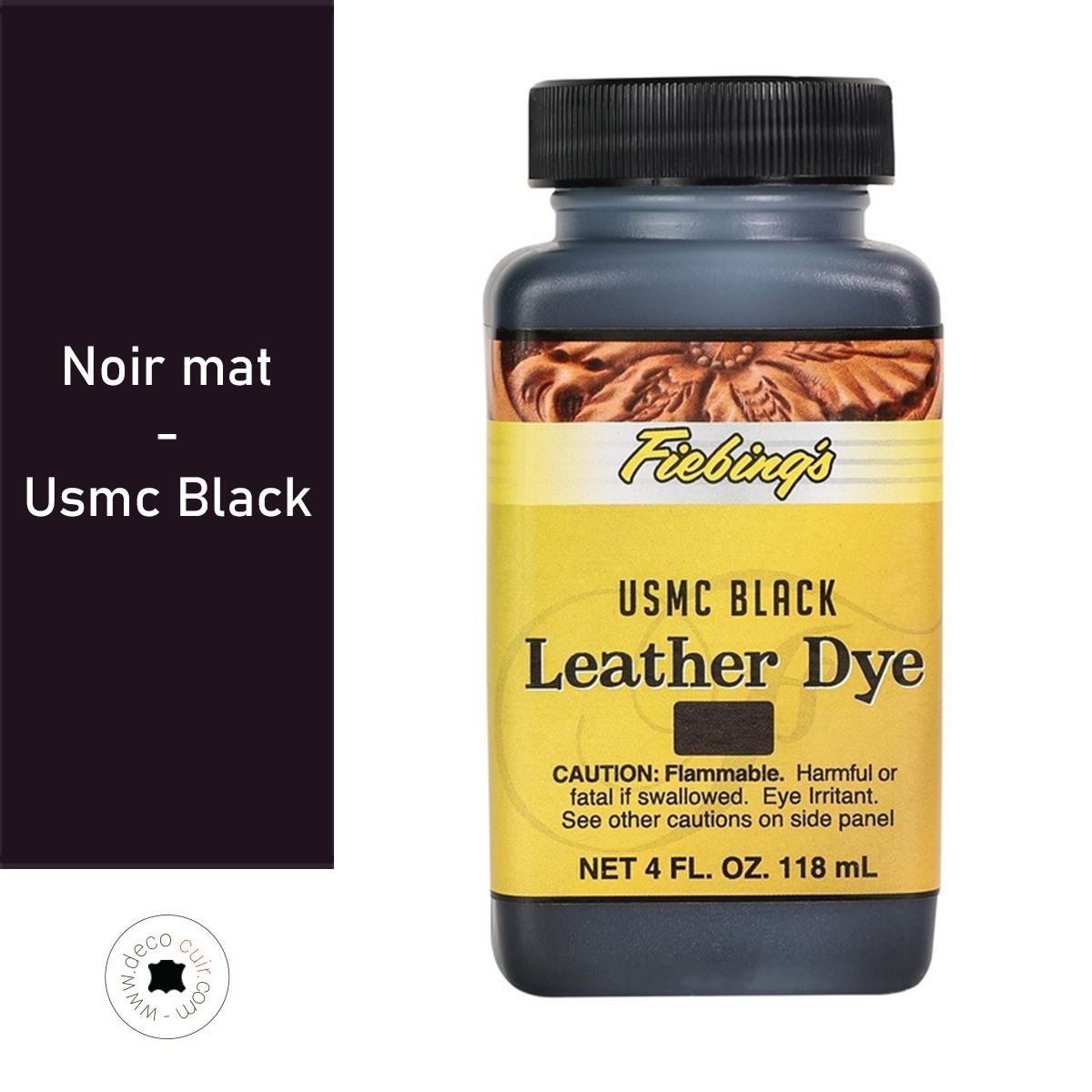
- 2 jars of leather dye - Fiebing's Leather Dye – Tan and Black
- 1 250 ml jar of liquid neoprene glue
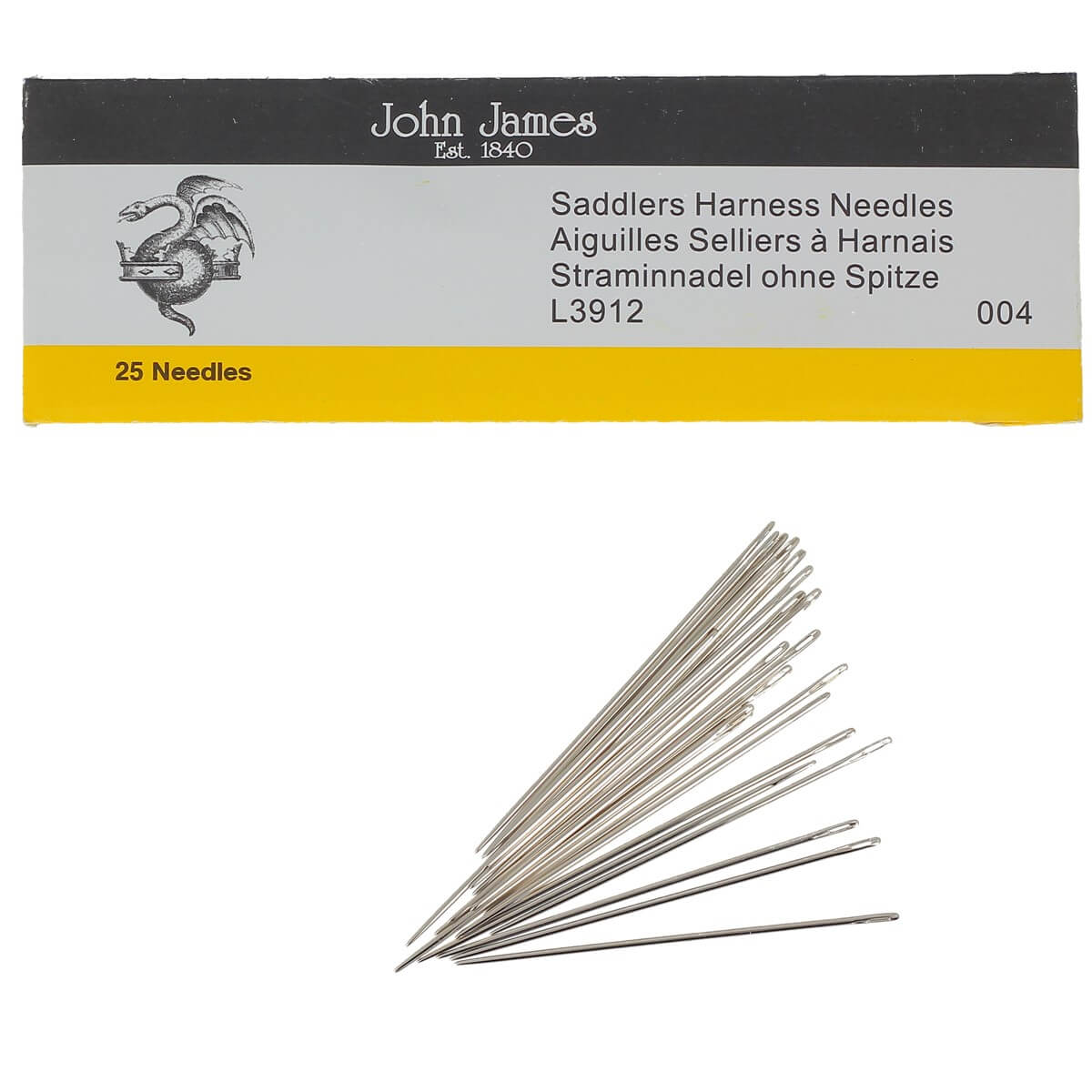
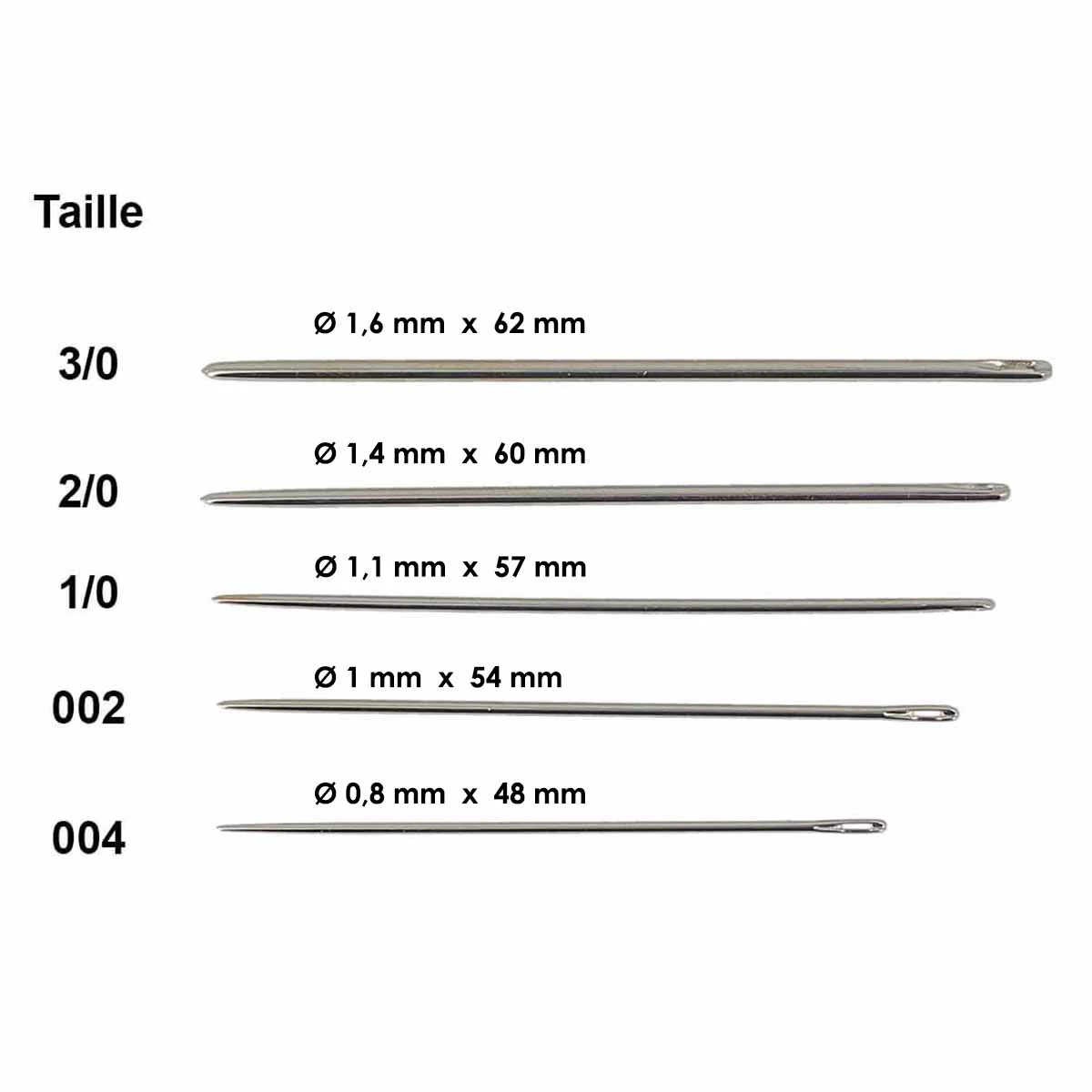
- 2 saddler's needles - Round tip - Size 2/0
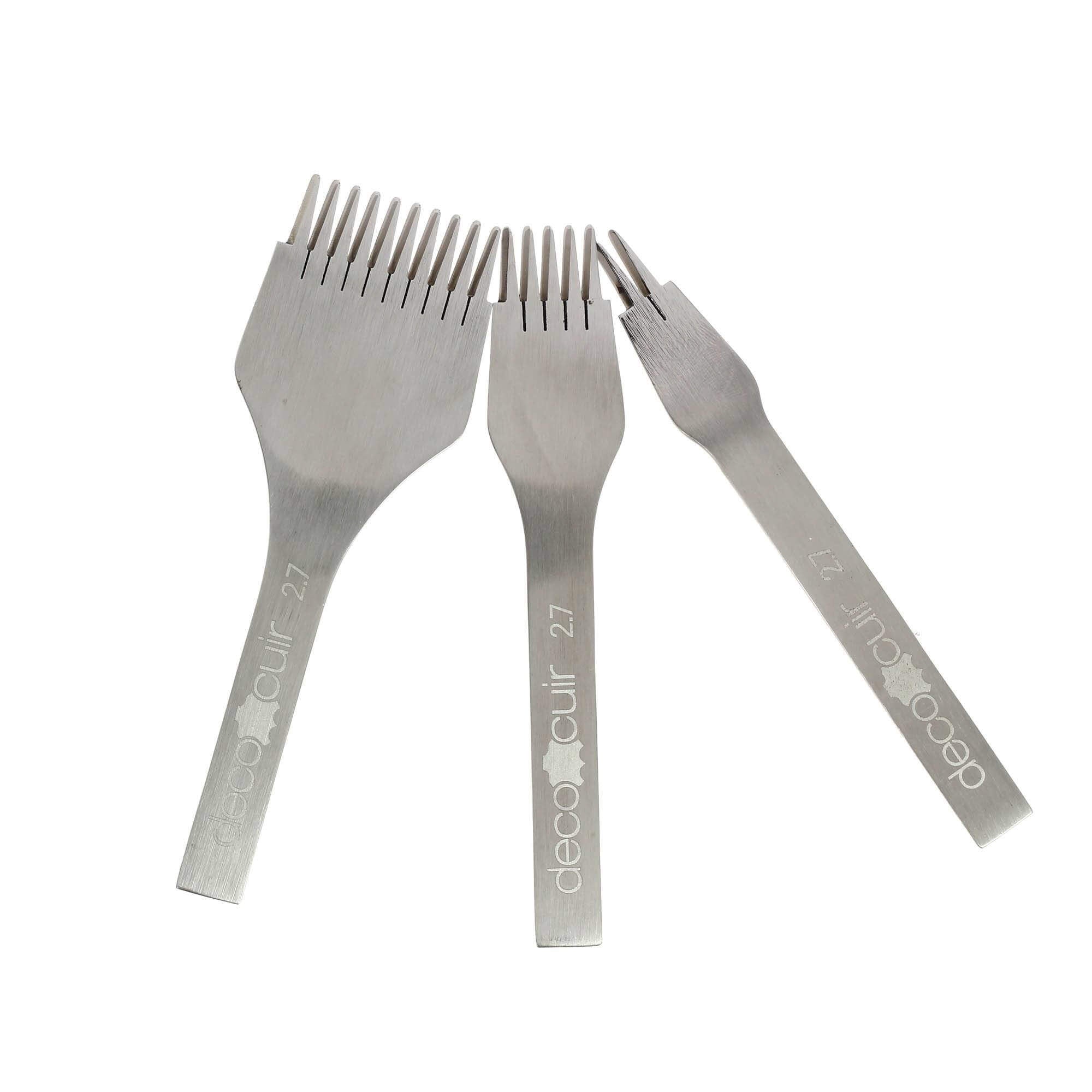
- 1 set of 3 Deco Cuir punching irons - 3 mm spacing
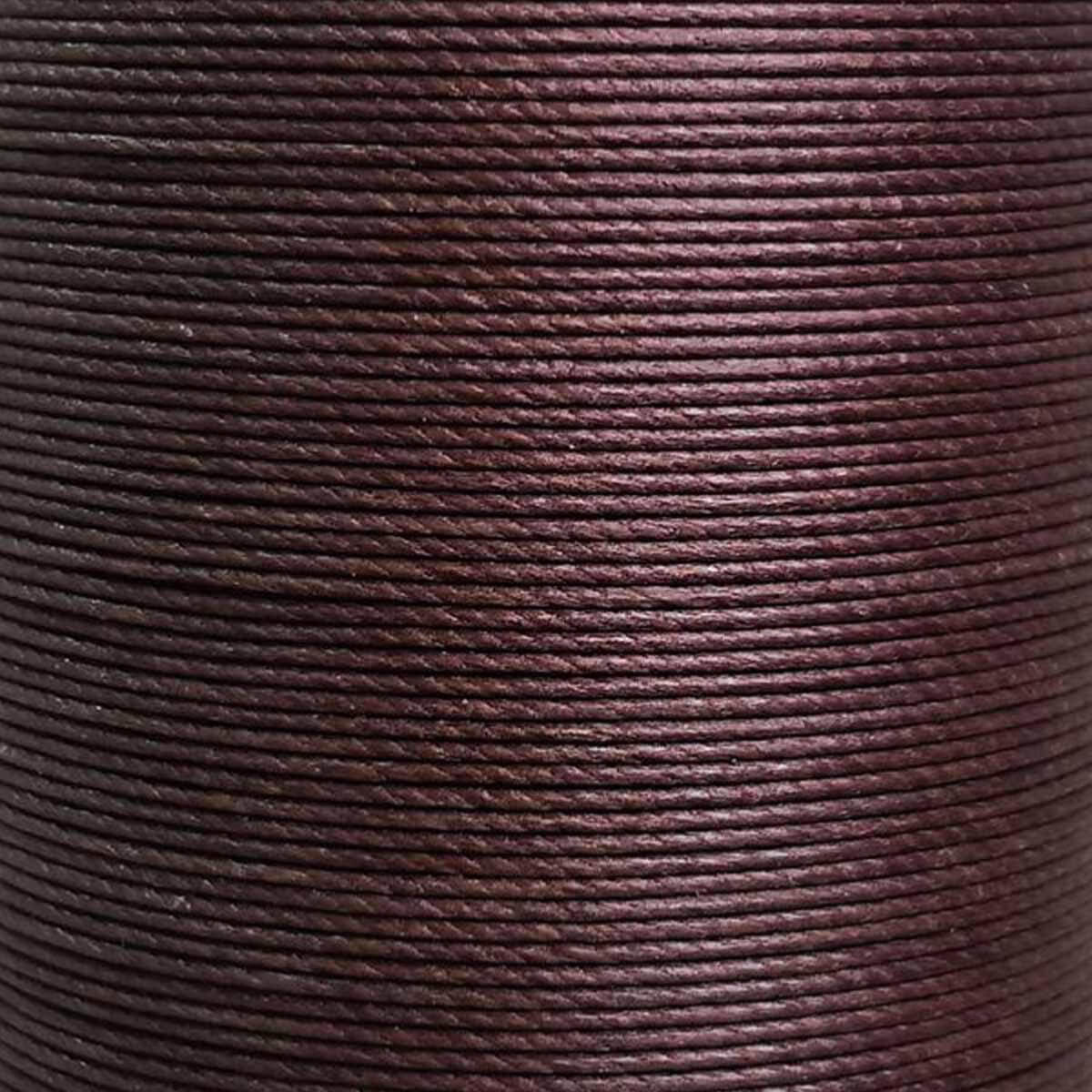
- 1 8m card of MeiSi super fine waxed linen thread M50 - 0.55 mm - COFFEE - MS002
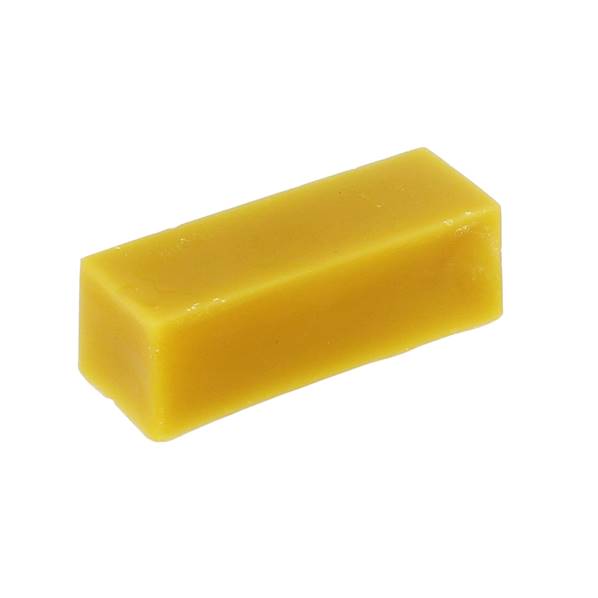
- 1 block of Deco Cuir beeswax - 50 grams
- 1 jar of Tokonole - Leather finishing gum - 120g
- 1 TANDY LEATHER handle stamp - Large crosshatch beveler 7 mm - 6802 - B802
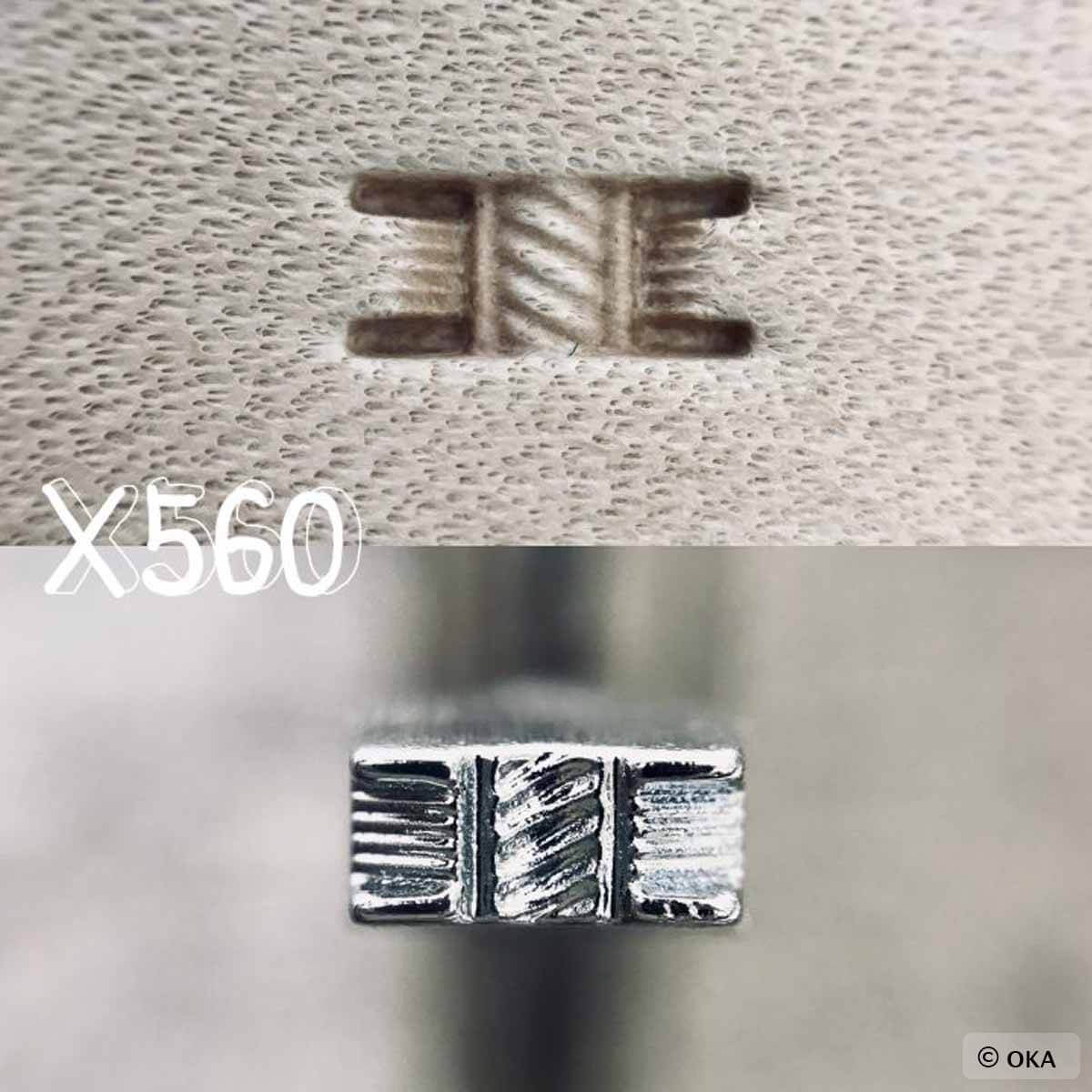
- 1 OKA handle stamp - Basketweave biased bundle – 11 mm (REF X510)
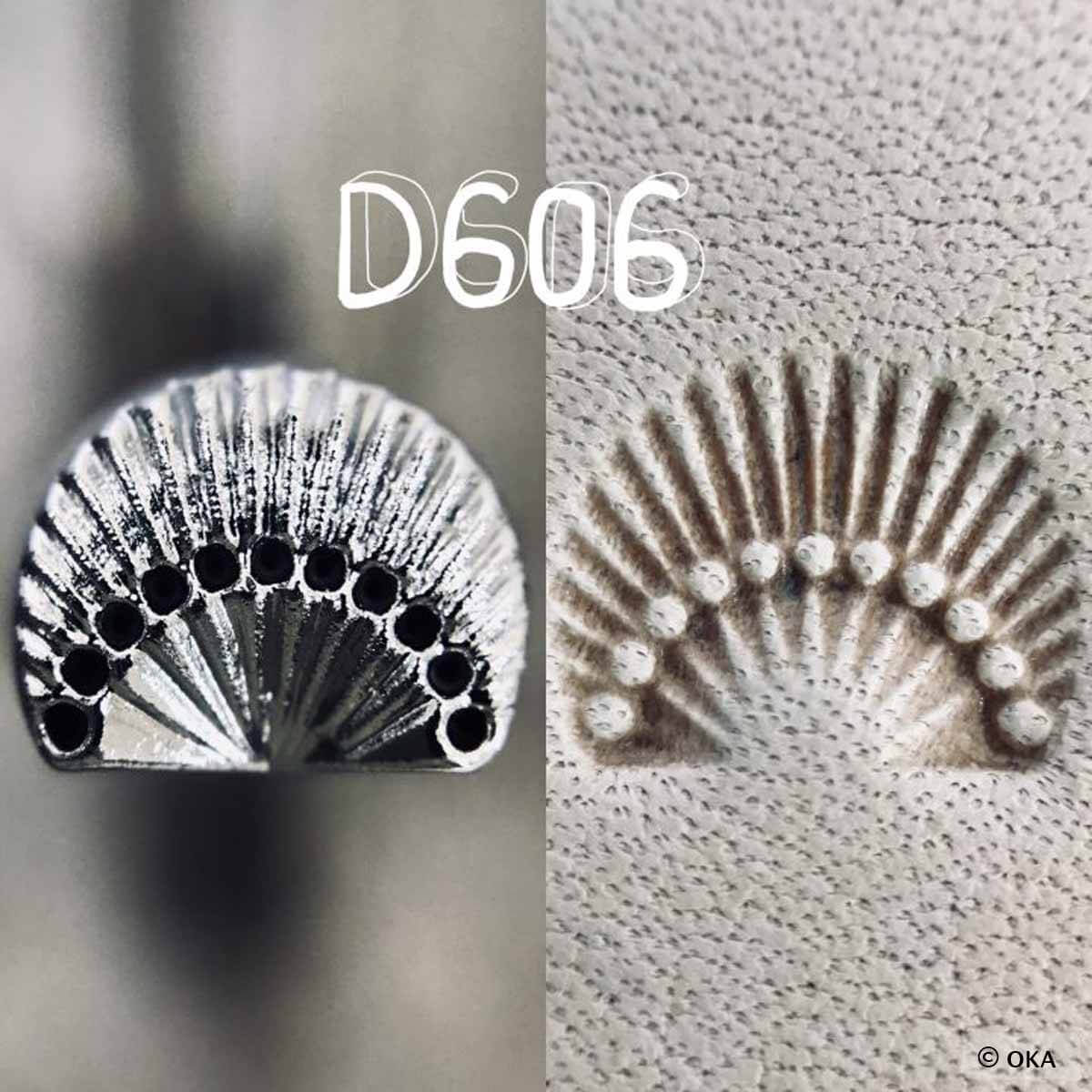
- 1 OKA handle stamp - Border - D606
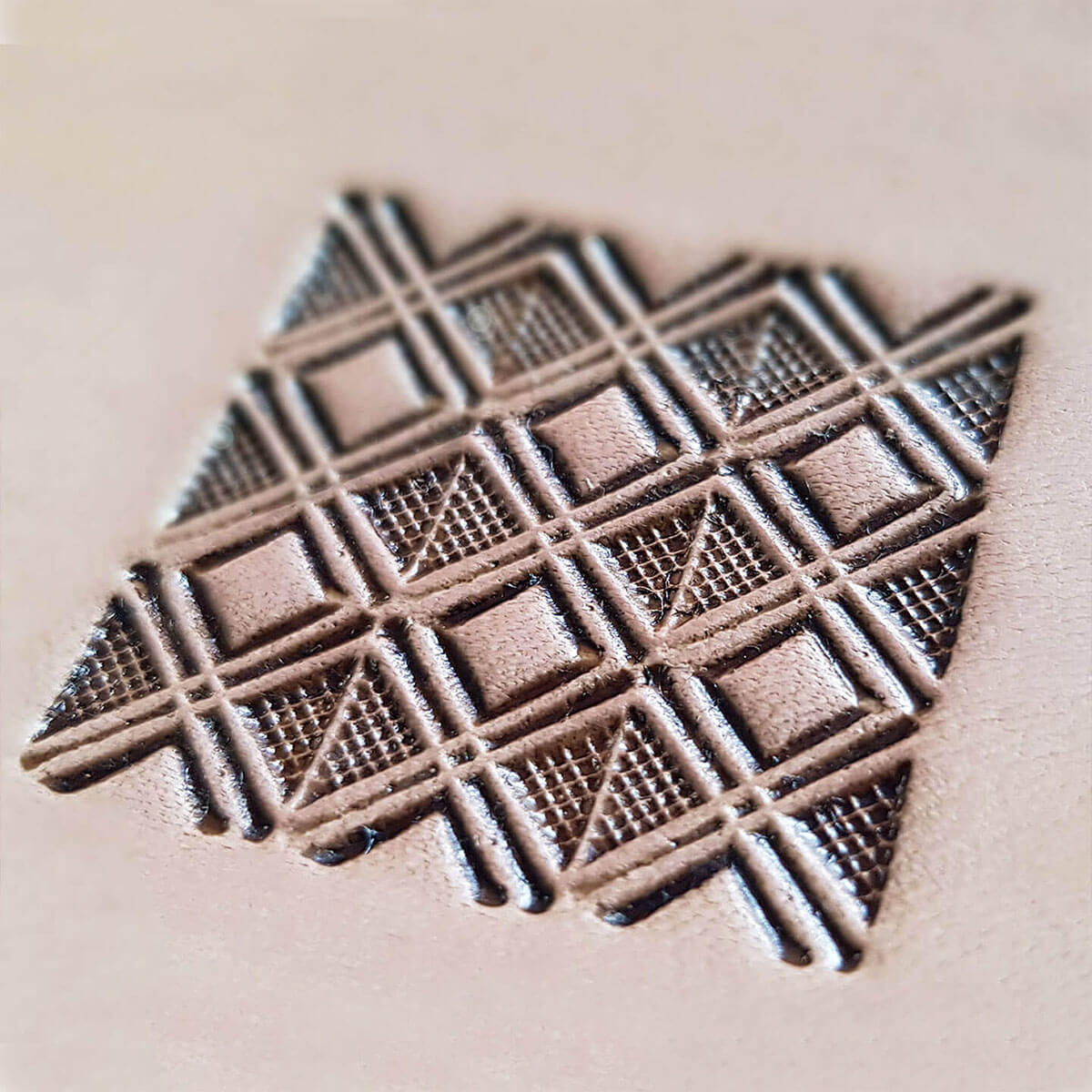
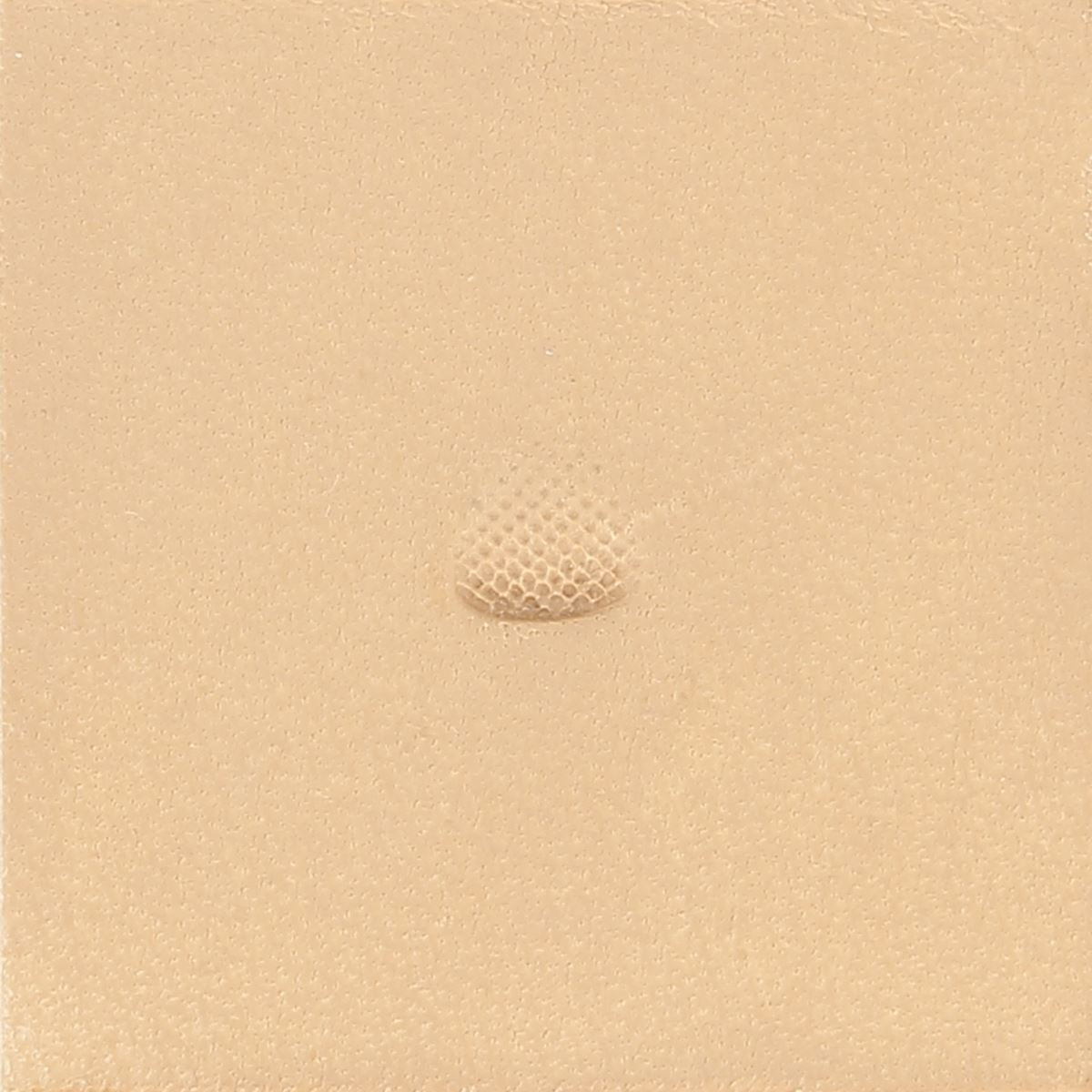
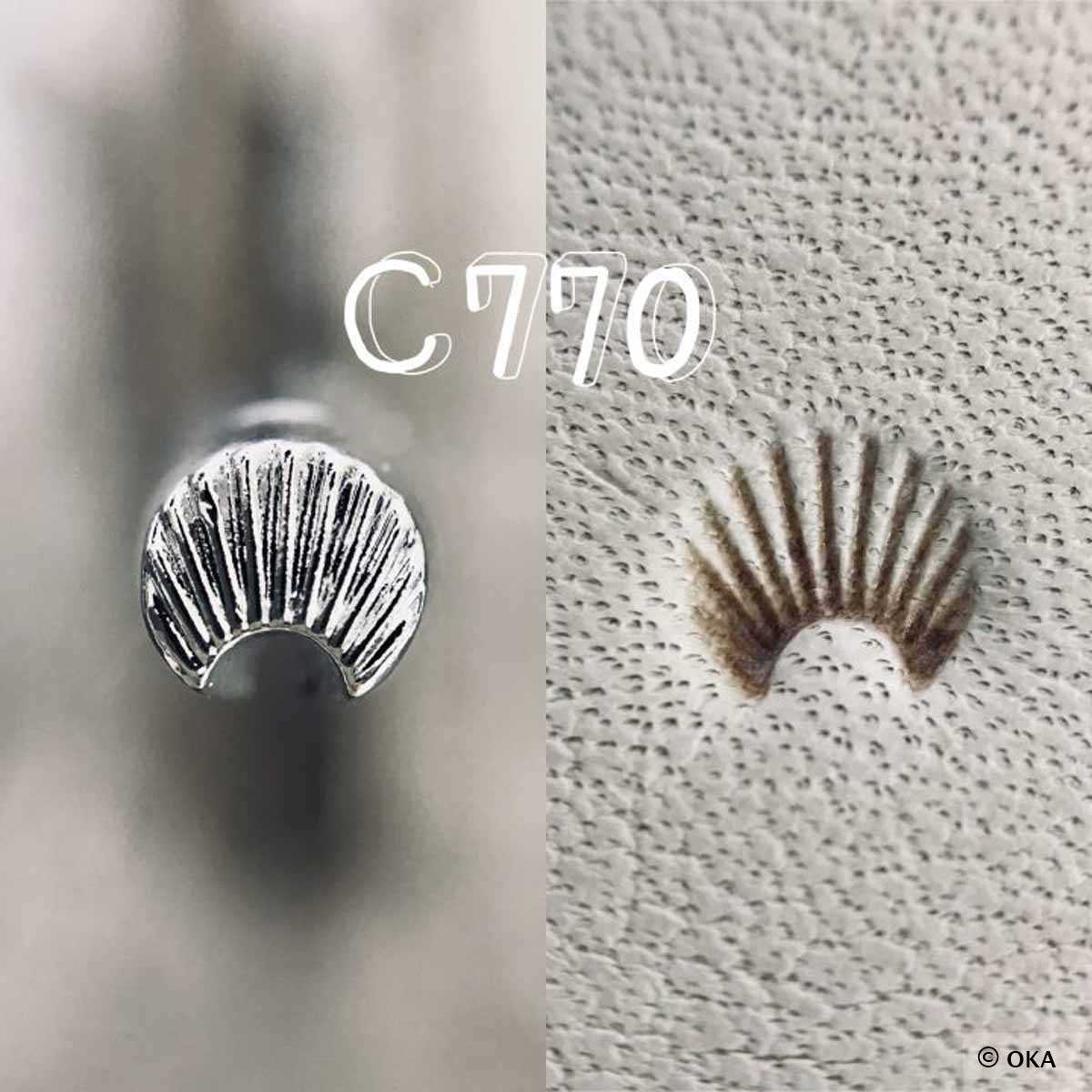
- 1 OKA handle stamp - Camouflage 4.6mm - C770
And the following tools:
- 1 utility knife
- 1 Deco Cuir skiving knife
- 1 compass
- 1 abrasive sponge
- 1 jar of leather carving preparation - Eco-Flo Easy Carve concentrate
- 1 PRO adjustable swivel knife - With 7/32" blade attachment - OKA
- 1 maul
- 1 marble slab
- 1 mallet
- 1 straight edge creaser T2
- 1 diamond awl
- 1 round awl
- 1 cork block
- 1 saddler's clamp
- 1 joiner's hammer
- 1 glue spreader
- 1 3 mm hole punch
- 1 T3 rivet setting tool set
- 1 brush / sponge
- 1 burnisher
TUTORIAL VIDEO
1. PATTERN MAKING
Option A: Sheath with a fold at the back
Place your knife on a piece of paper folded in half. Draw an axis and place the back of the knife on the fold and along the edge of the axis. Fold the knife over to the side and trace the outline. Then mirror the design on the other axis of the paper.
Add at least 5 mm of margin around the knife's outline.
 |
 |
Option B: Flat two-piece sheath
For this tutorial, we chose to make this second option: a flat two-piece sheath.
Trace the outline of the knife on a sheet of paper.
Measure the thickness of the knife (here 15 mm at its thickest point). Divide this number by 2 (here 7.5 mm) and add 1.5 mm (here 9 mm).
Add these 9 mm around the pattern traced on the paper.
Note: Do not account for the curve of the handle, otherwise the knife blade will not fit into the sheath. The blade is often wider than the handle (see 3rd photo).
 |
 |

At the handle, the shape of the sheath varies according to your desires! Here we made a rounded shape.
The best is to draw or transfer your pattern onto cardboard.

The sacrificial piece
The sacrificial piece will protect the stitching when the knife blade passes through. It corresponds to the margin added around the pattern (here 9 mm); it will be a "hollowed out" piece. It stops approximately 4 cm above the knife blade.
 |
 |
Belt loop patterning
Next, work on the loop so you can attach the sheath to your belt. The loop measures approximately 20 cm in length and 3.5 cm in width at its widest point. The width of the loop should be defined according to the thickness of the blade (to avoid obstructing the stitching).

2. TRACE THE PATTERN ON THE FLESH SIDE OF THE LEATHER
Trace the pattern twice on the flesh side of the vegetable-tanned leather (2.5 mm thick). Be sure to flip the pattern in both directions to create symmetry for the two pieces. Then trace the belt loop and the sacrificial piece (it will be hollowed out later).
3. CUT THE LEATHER PIECES
Cut the 4 pieces with a utility knife or a leather knife. Always keep the cutting tool straight and do not cut all at once.
Hollow out the sacrificial piece by drawing a line 8 / 9 mm from the edge (on the inside) using a scratch compass. Then, cut the sacrificial piece.
 |
|

For the rounded parts of the loop (ogive shaped ends), use a punch for a cleaner cut.
Then, lightly sand the edges and skive the ends of the loop to avoid excessive leather thickness. 
4. BEVEL THE BELT LOOP
Bevel the edges of the loop on both sides (grain and flesh). On the flesh side, only bevel the straight lines as the ogive ends will be sewn.
More information on using the edge creaser here:
SEE THE GUIDE >
5. WORK ON THE ROUNDED EDGES
Work the rounded edges of the main pieces with an abrasive sponge.
6. TRACE THE SEWING LINE
Using a scratch compass, trace the sewing line on the 2 main pieces, as it will be a saddle stitch with double pricking.
Use the distance between the edge and the center of one side of the sacrificial piece as a reference to know where to trace the sewing line.
 |
|

7. TRACE THE DECORATIVE LINE
Still using the scratch compass, trace a decorative line 3 mm from the stitching line. This will be the boundary for the carving work.
*Only trace one line on the belt loop.
8. LEATHER CARVING WORK
Moisten the leather with a modeling preparation (here a mixture of water and easy carve). Then open the decorative line with a swivel knife.
WHAT IS LEATHER CARVING >

Carve the leather along the decorative line with the Large Crosshatch Beveler (Ref: 6802). Do not aim for too much depth: just a demarcation line relative to the stitching.
 |
|

Basketweave technique:
Moisten the leather again with the mixture of water and easy carve. Then, draw a reference line (with a tracer) using 2 points.
Position the handle stamp (Basketweave biased bundle 11mm - X510) as close as possible to an edge. Then, strike the stamp on each side of the line. Be careful to tilt it at the edges so as not to go beyond the decorative line. Use a maul heavy enough so you don't have to hit twice.
To properly learn the Basketweave technique, watch the video between minutes 12:35 and 19:03.
 |
|

To fill in the gaps on the edges, use the handle stamps: Border 12.5 mm - 6606 and Camouflage 4.6 mm - C770.
Don't forget to do the same work on the belt loop.
9. POSITION THE BELT LOOP
Using a round awl, mark the rivet position on the main piece (which will hold the top of the belt loop). Then, pierce the leather with a 3mm hole punch.
Mark the position of the belt loop on the leather, then use a rasp to facilitate adhesion when gluing the belt loop to the leather.
10. PATINATE THE LEATHER
Apply a patina to the leather to bring out the carving. Here, we are using Fiebing's Hi-Liter carving dye.
Start by lightly dampening the leather (with water only). Then apply the Hi-Liter to the leather with a dauber. Wipe the surface with a cloth and let dry.
11. WORK THE FLESH SIDE OF THE LEATHER
The ideal way to work the flesh side of the leather would be to dye it with an airbrush so as not to soak the leather and "stain" the grain side. Here, we are using Leather Dye Tan.
If you don't have an airbrush, we recommend working the flesh side only with Tokonole (black, brown, or neutral).
For more information on dyeing leather with an airbrush, please see our guide:
SEE THE AIRBRUSH GUIDE >

12. MARK THE STITCHING POINTS
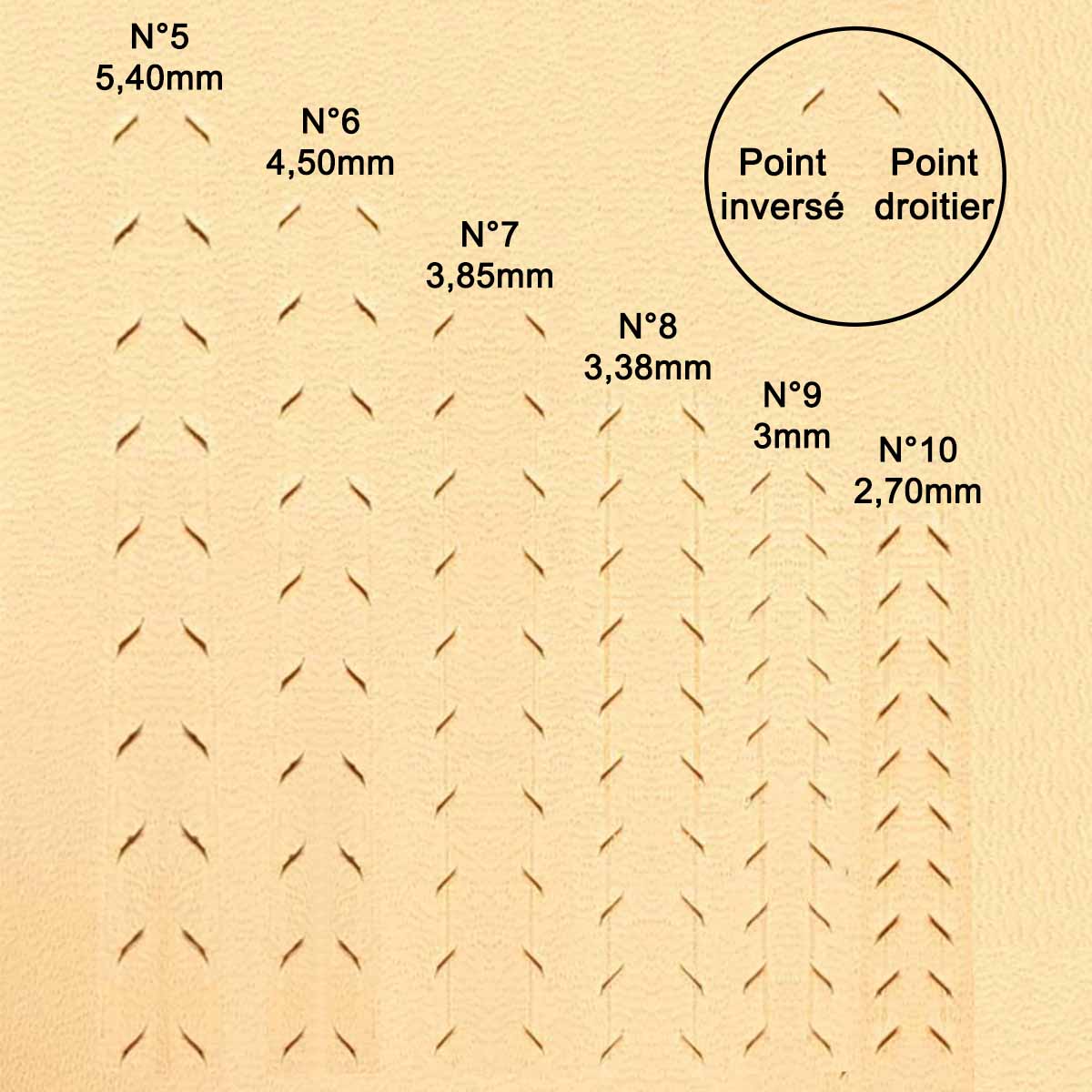
Mark the stitching points with punching irons with a 3 mm spacing.
Given the thickness to be sewn, we chose to do a saddle stitch with double pricking (to have a beautiful inclined stitch on both sides). Prick the 2 pieces of leather and exceptionally: start pricking the second piece on the left.
At the knife handle, there will be a decorative stitch: prick this part last.
13. PIERCE THE STITCHING HOLES
Using a cork block and a diamond awl: pierce the stitching holes. When sewing, only the sacrificial piece will need to be pierced (located between the 2 main pieces).
14. MAKE THE DECORATIVE STITCHING
At the handle, bevel the edges on the grain side and the flesh side. Then, do the decorative stitching.
Here, we used Meisi linen thread (M50) in coffee color and size 002 needles. Start by cutting a thread 4 to 5 times the length of the area to be sewn, then thread a needle through each end of the thread.
To learn more about needle threading technique and saddle stitching, consult our guide:
SEE THE GUIDE >
 |
|

15. WORK THE BELT LOOP
Work the edges of the belt loop with Tokonole. Mark the rivet position on the belt loop, then pierce the leather. Install the T3 single cap rivet with the appropriate setting tool.
With neoprene glue, glue the two ends of the belt loop together. Then, glue the belt loop to the designated spot on the main piece.
16. SEW THE BELT LOOP
Mark the stitch points with the punching irons (3 mm spacing). Then, pierce the stitch points with a diamond awl and a cork block (going through all 3 layers of leather).
Do a double stitch (2 passes) to reinforce the attachment. Remember to hammer the stitching well to prevent threads from sticking out and the knife blade from catching on them. PS: Be careful, don't do like us: remember to clean your workspace thoroughly to avoid "staining" the leather after dyeing.
17. GLUE THE SACRIFICIAL PIECE
Using neoprene glue, glue the sacrificial piece edge-to-edge onto the main piece. Trim any excess leather and check the knife's thickness against the sacrificial piece's thickness.
Before gluing the second part, sand the grain side of the sacrificial piece to facilitate glue adhesion.
Then, glue the second piece edge-to-edge onto the sacrificial piece.

18. LAST SADDLE STITCHING
Still using a double pricking and saddle stitch, sew the knife sheath.
Finish the stitching with 3 backstitches and pull the thread into the edge.


19. WORK THE EDGES
Even out the edges with a utility knife, then sand and bevel. Sand again to properly round the edge.
20. MOLD THE LEATHER
Start by putting the slicker into the knife sheath.
Protect the knife with plastic wrap. If the blade is steel, it must be well protected (here, a stainless steel blade). Then, moisten the inside of the sheath with water before placing the knife inside.
Mold the shape of the handle by pressing with your fingers.
21. DYE THE LEATHER
Dye the leather using an airbrush or sponge.
Here, we start by applying a coat of "Leather DYE Tan Fiebing's" using an airbrush. Then, we use "Leather DYE Black Fiebing's" for the edges and ends of the sheath.
To learn more about dyeing leather, consult our guide:
VIEW DYEING GUIDE >


22. WORK THE EDGES
Apply Tokonole to the edge of the knife sheath and smooth with a slicker to make it shine.
23. NOURISH AND PROTECT THE LEATHER
Apply 100% Neatsfoot oil to the sheath and let it penetrate.
The next day, waterproof the leather or apply a finish (e.g., Fiebing's RESOLENE).
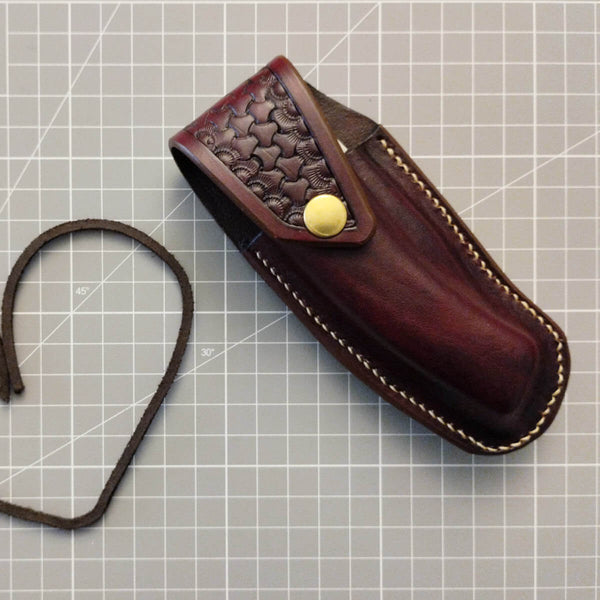
YOUR KNIFE SHEATH IS COMPLETE!
After several months, the leather will develop a patina.


With the participation of artisan leatherworker Anthony Hervy (©nocam_cuir).
VIEW HIS INSTAGRAM >







1 comment
Anonymous
Merci pour ce tutoriel très complet !