- Home
- LEATHER DYES AND PAINTS
Leather dyes and paints
719 products
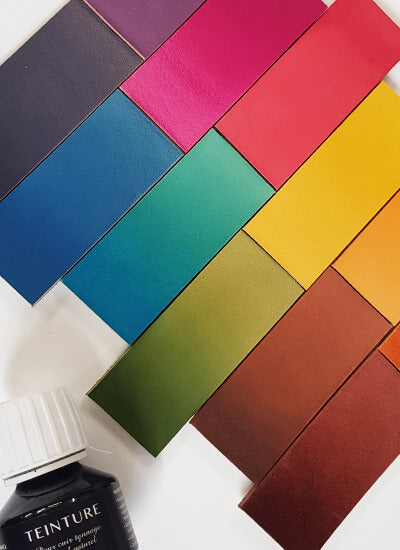
Leather dyeing is not just about "applying a color". The material absorbs, reacts, darkens or lightens depending on its preparation and the product used. Between penetrating dye, covering paint, patina or final protection, each step influences the result. On Deco Cuir, you will find all the products useful for coloring different leathers, from basic dyes to finishes.
Dyeing or painting: two approaches, two results
Before choosing a color, the first question concerns the function of the product. Dye and paint do not act in the same way on leather.
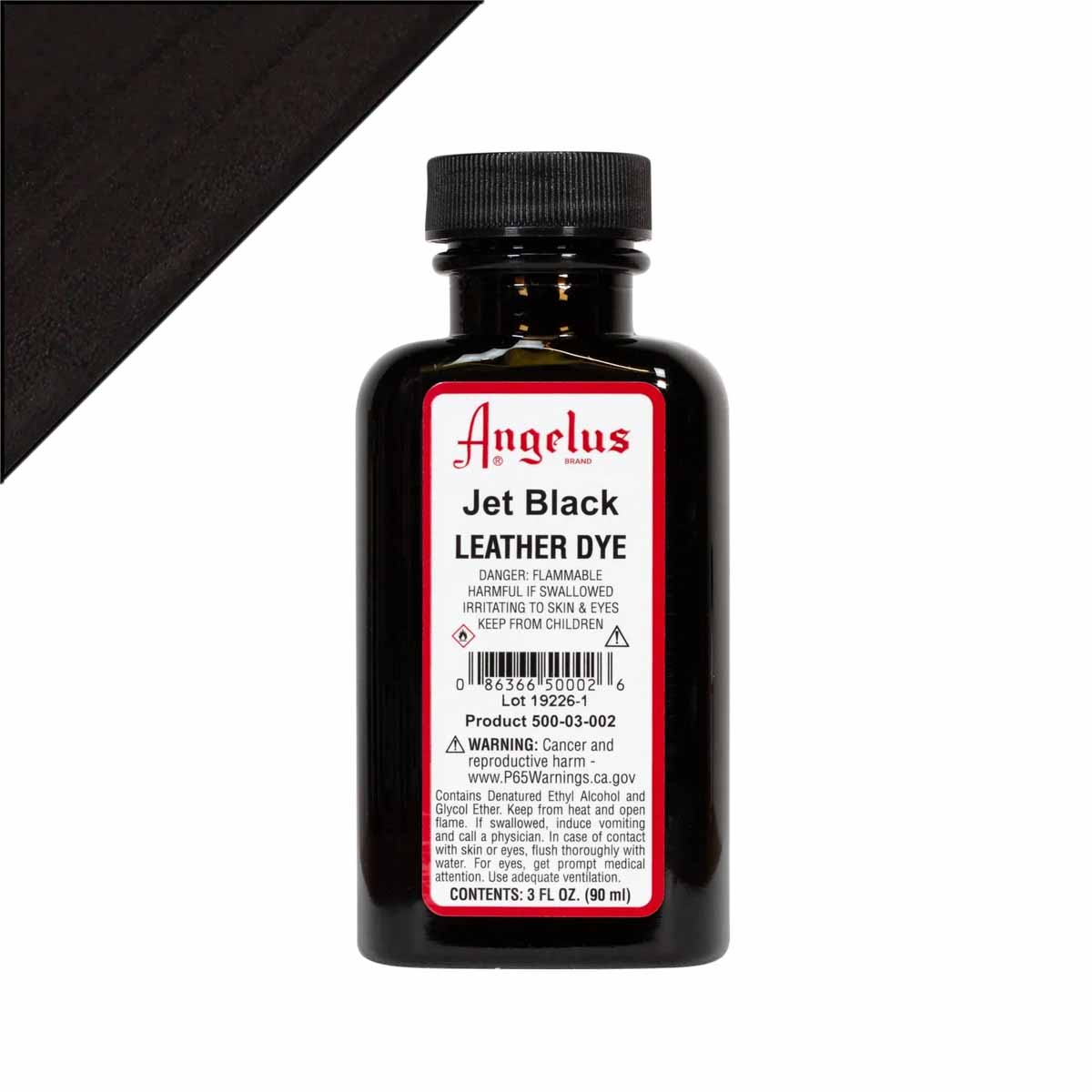
Leather dye: it penetrates the fiber and leaves the grain visible. The result depends on the leather, its original color, and its absorption capacity.
- Leather paint: it remains more on the surface and provides more coverage. Paint is used to standardize, correct, or visually transform a surface.
- Recoloring agent: an intermediary between the two, it mainly aims at re-dyeing and homogeneity on already worked leather.
The choice is not just about style. On already pigmented or very closed leather, paint gives a more controlled result. On natural vegetable-tanned leather, dye penetrates more easily.
Water-based dyes and alcohol or oil dyes
From one dye to another, the color uptake changes. Water, alcohol or oil do not offer the same diffusion or the same homogeneity.
- Water-based dyes: more progressive, they allow working in layers and adjusting the intensity.
- Alcohol or alcohol/oil dyes: the color sets more quickly and often offers bolder shades.
- Thinners and reducers: useful for lightening a shade, smoothing a contrast, or achieving a more nuanced appearance.
The same color can give different results depending on the tanning, finish, and initial shade of the leather. To clear up any doubts, nothing beats a test on a scrap piece.
Leather paints: cover, correct, decorate
Paint is used when dye reaches its limits or when the project requires an opaque finish. On leather, the color is applied differently: more covering, more controlled.
Acrylic leather paints are suitable for solid colors, patterns, and localized touch-ups. For outlines, fine lines, or details, markers offer more control. Depending on the references, specific effects enrich the visual appearance: pearlescent, metallic, glittery, or fluorescent.
In renovation or personalization work, paint provides a more stable and regular color, whereas a dye sometimes allows differences in the material to show through.
Patina and effects: adding depth to color
Patina is not intended to cover. It is applied after coloring, on an already dyed surface. Its role is in the details. By settling into the grain and hollows, it accentuates the reliefs and makes the material more legible.
Applied sparingly, it breaks the uniformity of an overly regular shade and introduces more natural nuances. Working in thin layers maintains a light effect, without weighing down the surface or masking the leather. When well-dosed, patina adds character. Too heavy, it takes over and quickly unbalances the whole.
Varnishes and protections: stabilizing the result
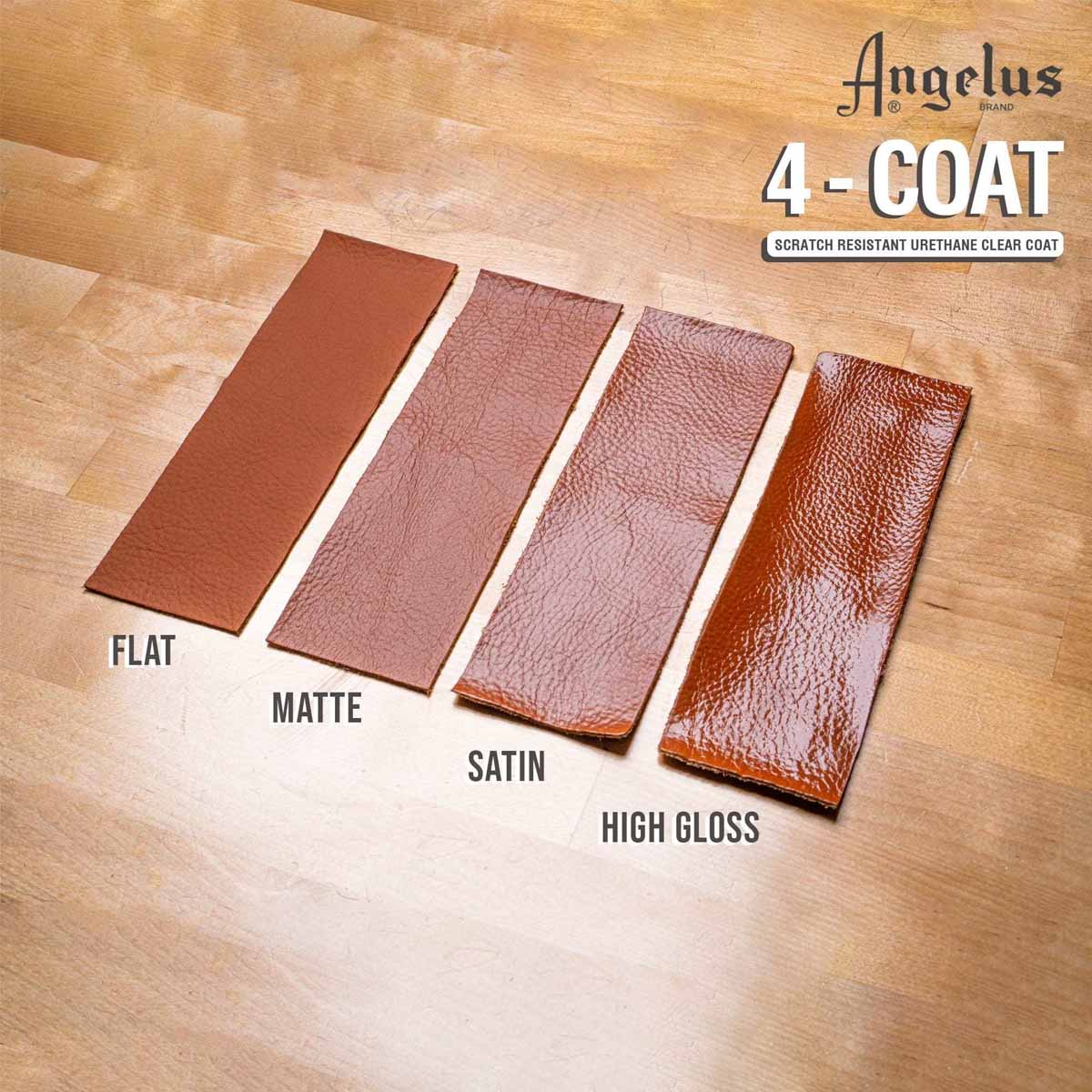
Once the color is applied, protection plays a decisive role in its durability. Friction, humidity, and repeated handling quickly put the finish to the test. Depending on the desired result, a matte, satin, or glossy finish sets the final appearance.
Fixatives and varnishes limit color transfer and secure the shade over time thanks to their waterproofing power. Their choice remains linked to the support and the product used upstream. In case of a bad choice, reactions appear during drying and cleaning.
On an everyday object, like leather shoes, an unprotected color evolves faster, especially on contact areas.
Edge finishing: a detail that changes perception
The edge of the leather, i.e., the cut edge of the material, remains visible on many items, particularly bags, belts, or bracelets. A neglected finish is immediately noticeable and breaks the balance of the whole.
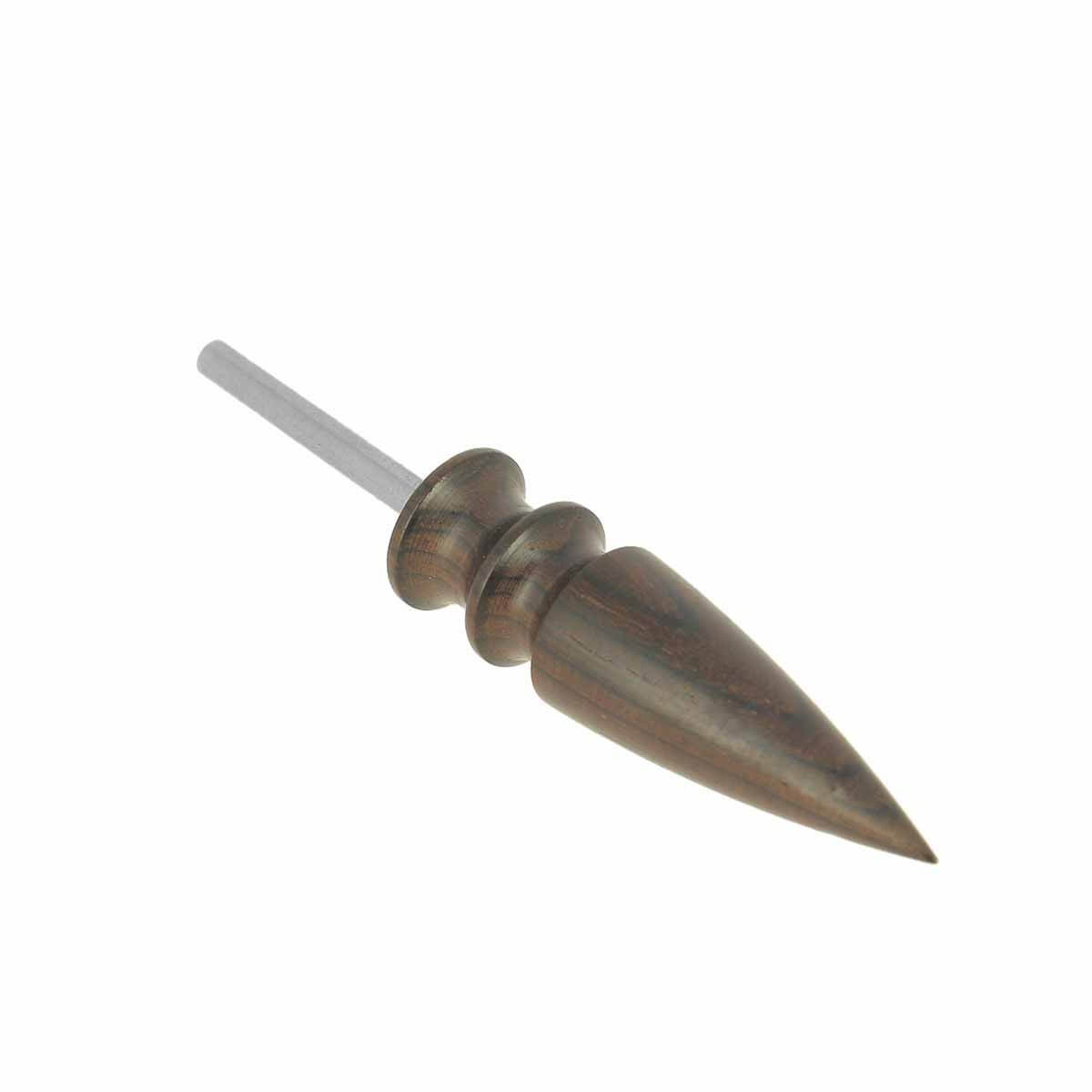
Edge dye unifies the edge. For the fiber, the work does not stop there. Smoothing products close the material and stabilize the appearance. Burnishing then intervenes, with a sharper, more durable edge, and a finish that is pleasing to both the eye and the touch.
Even on a simple piece, a well-finished edge reinforces the impression of quality. On the Deco Cuir website, you will find the right products and tools to take care of this detail to the very end.