- Home
- LEATHER LACES
Leather laces
183 products
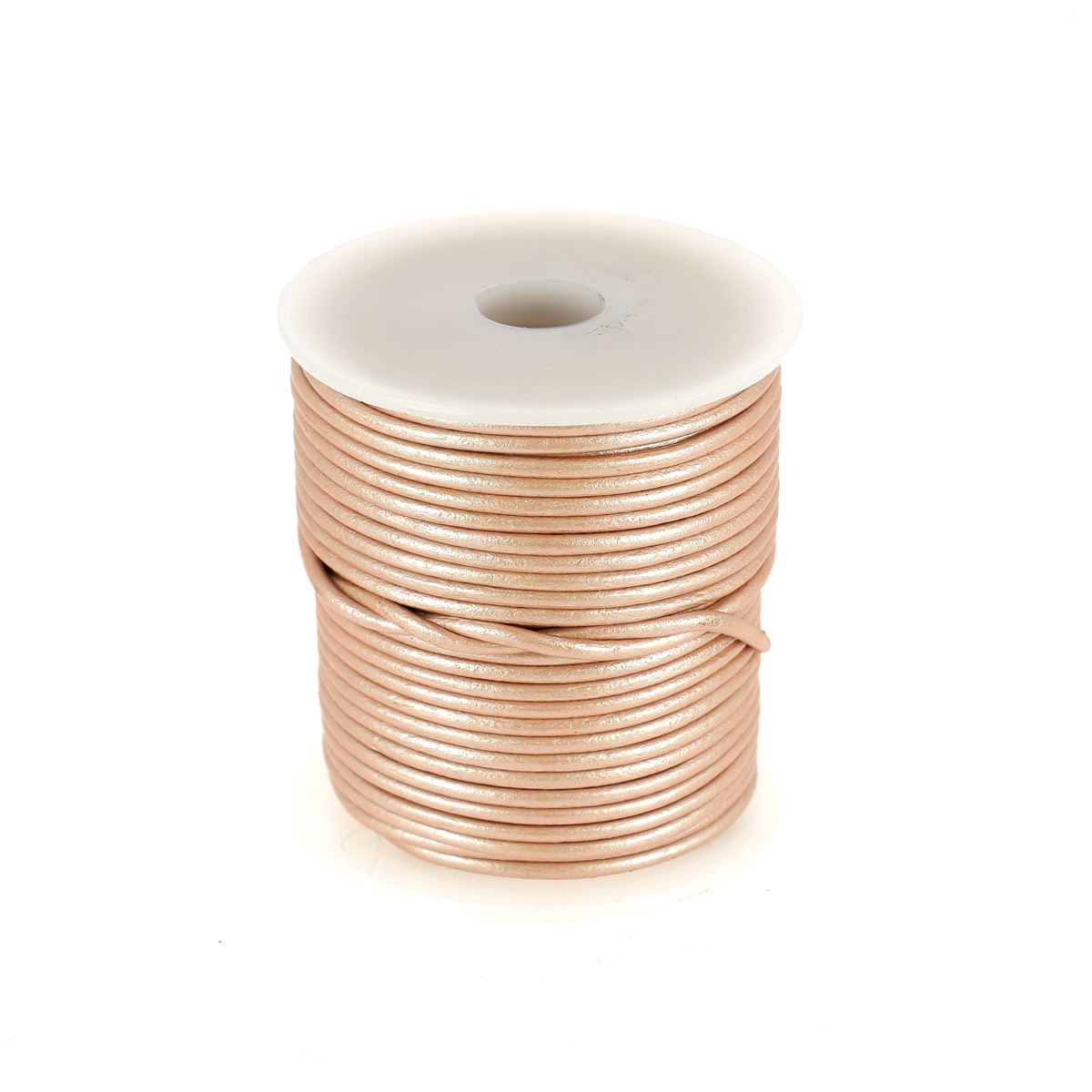
A lace is not "just a thread." It's a material that stretches, knots, braids, cuts cleanly... or gets damaged if not suitable. For leather goods lacing, a pair of shoes, a decorative closure, or a bracelet, you're primarily looking for the right combination: shape, thickness, flexibility, and finish. On the Deco Cuir website, the selection includes leather laces sold by the meter or in spools (10, 25, 45 m depending on the references), with shades and finishes designed for all your assemblies.
The shape of the leather lace and its impact on assembly
Geometry serves as the starting point. It changes everything, right from the first loop.
- Round leather lace: it slides well into eyelets, knots easily, and maintains a clean "cord" appearance. Ideal if you want a consistent look and uniform tension.
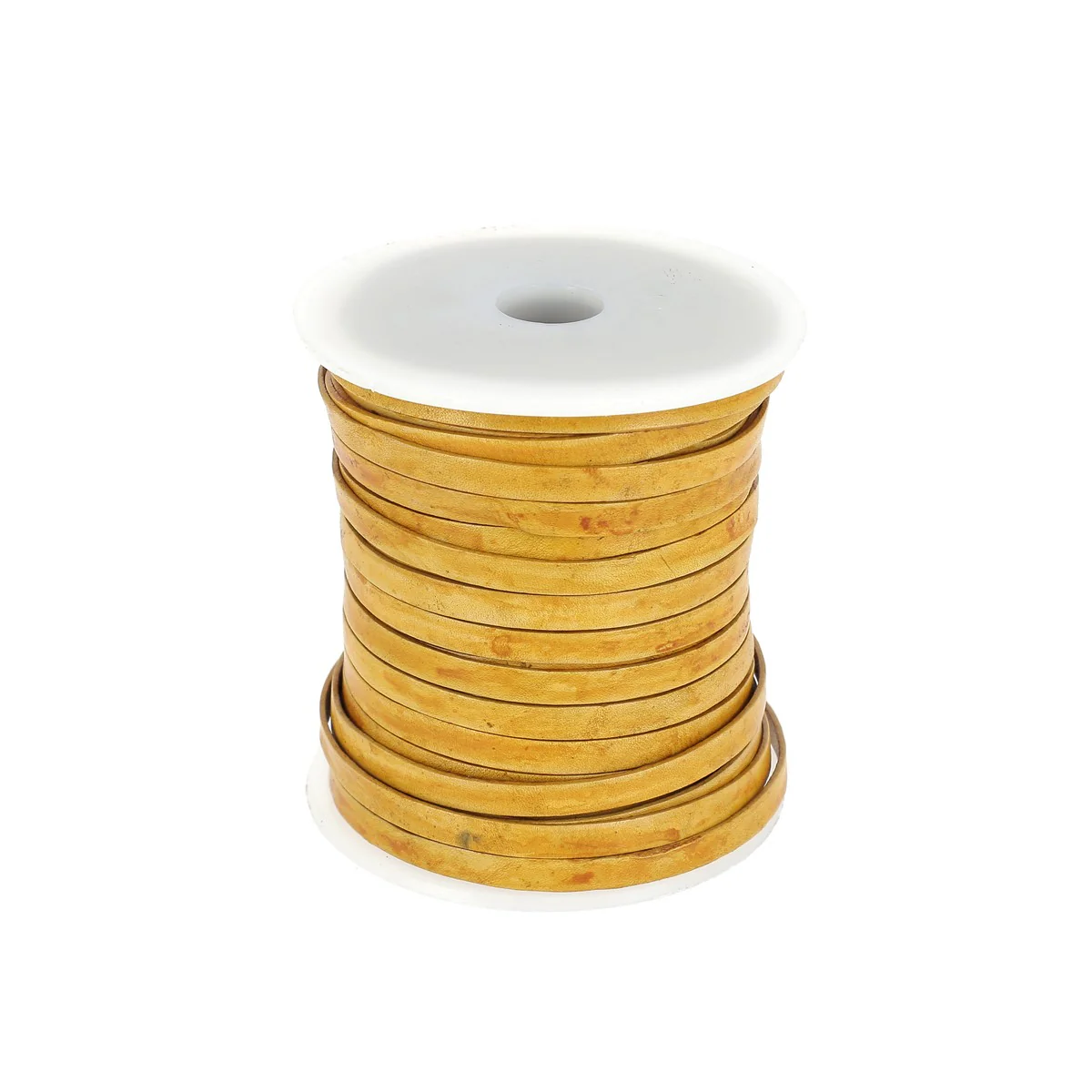
- Flat leather lace: more visually prominent, more "graphic." Available in cowhide, buffalo, kangaroo, or suede crust leather depending on the references, it covers more surface and is very well suited for visible lacing on bags, pouches, or accessories.
- Square leather lace: more responsive, with edges that grip a bit more. Practical when you're looking for a neat hold and a more structured look (especially for shoes).
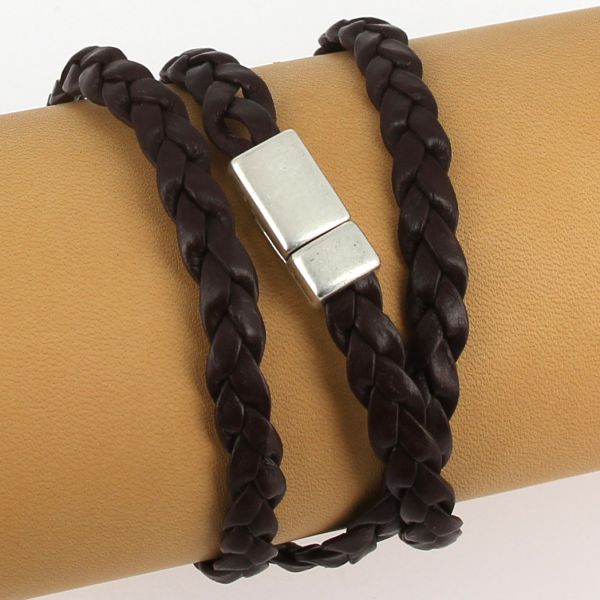
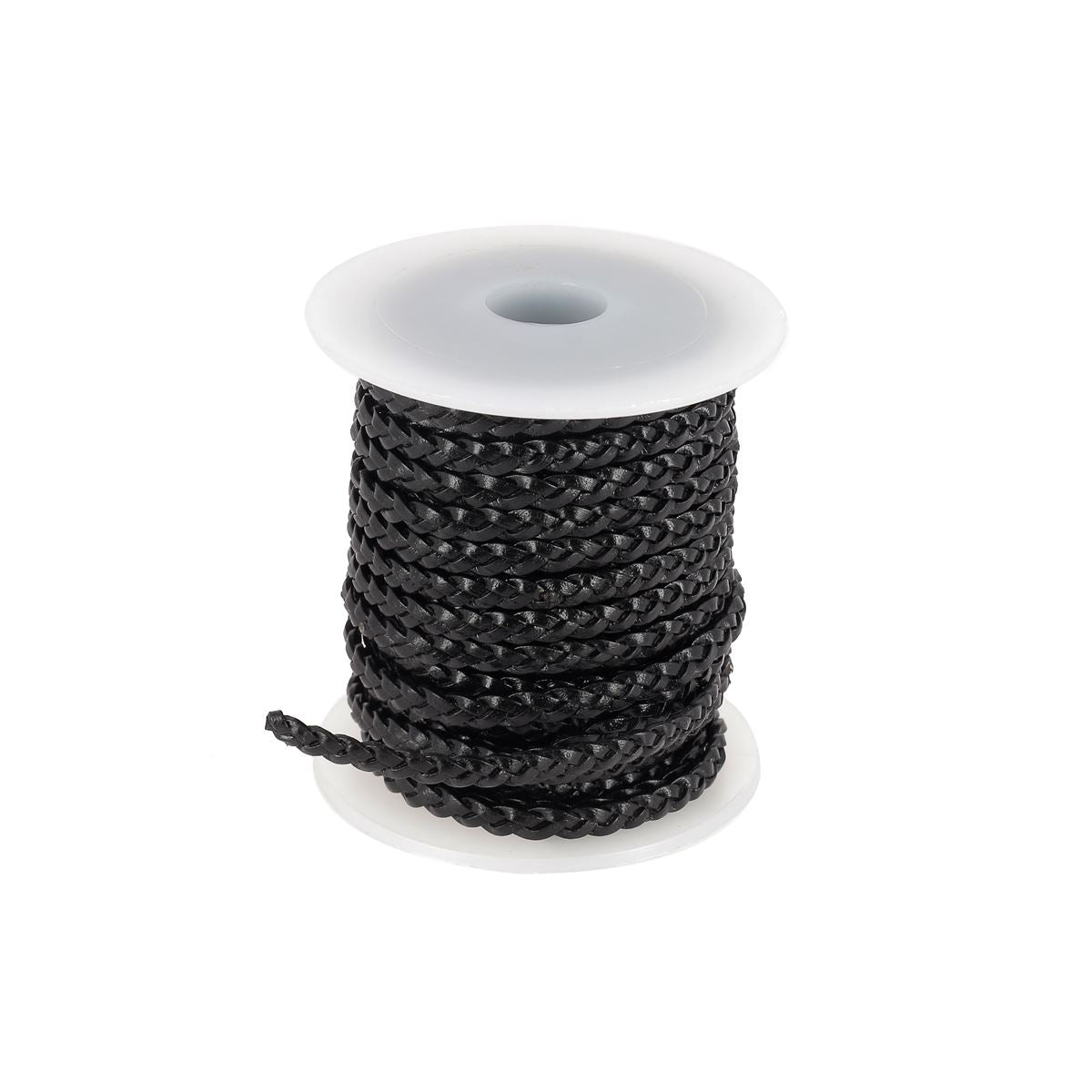
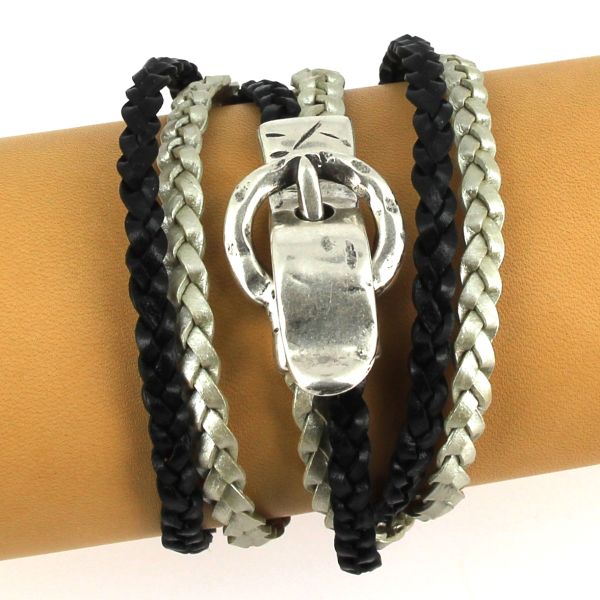
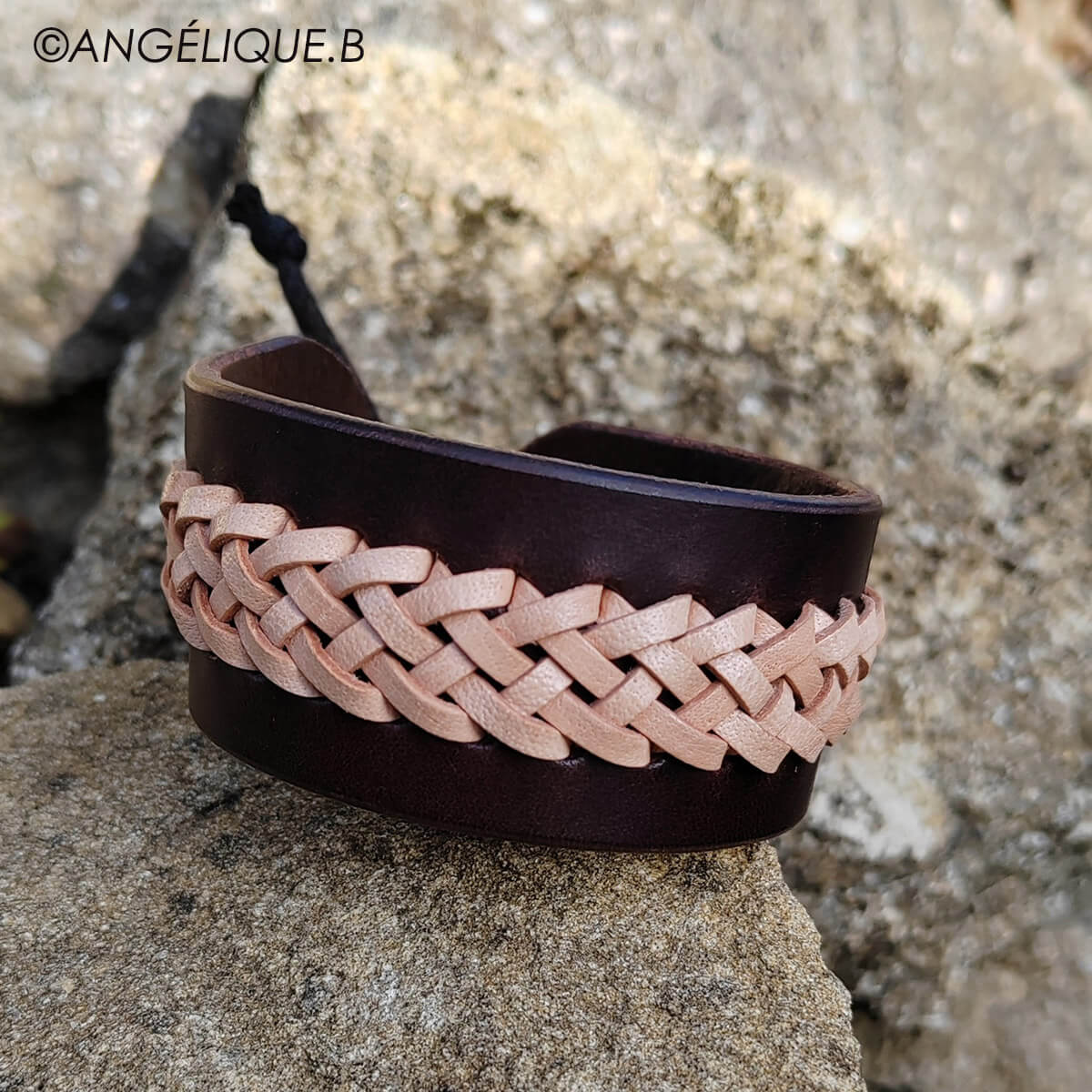
- Braided leather lace: it adds texture without overdoing it. It is mainly used for a decorative finish or a visible and sturdy lacing.
- "Régaliz" lace: a flat and wide format, very distinctive in style. You can use it on jewelry, decorative straps, and accessories where the band is part of the design.
Depending on the chosen shape, it doesn't express the same presence and doesn't provide the same response to assembly, whether it's for discretion, support, or visual impact.
Diameter, width, length: three adjustments that avoid errors
A lace that is too thin may lack presence in your creation. Conversely, a lace that is too thick will be difficult to thread and will put more strain on the lacing points. In practice, a few guidelines can help minimize errors during assembly.
- Between 1 and 2 mm: suitable for jewelry, fine closures, decorative lacing, or small accessories.
- Between 2.5 and 4 mm: versatile formats for light leather goods, visible lacing, and shoemaking.
- From 5 mm and up: reserved for heavily used assemblies, handles, drawstrings, or uses requiring more hold.
Eyelets, loops, or hooks do not all accept the same width or diameter. A difference of a few millimeters can sometimes complicate threading or excessively stiffen the lacing.
Length is particularly important during implementation. If too short, it limits passes and complicates lacing. If too long, it creates unsightly excesses. As an indication, a small accessory often only needs 40 to 60 cm, visible lacing on a bag or pouch usually requires 1 to 1.5 m, while a cross-lacing or a handle may need 2 m or more, depending on the spacing of the points.
Colors and finishes: the final effect is determined here
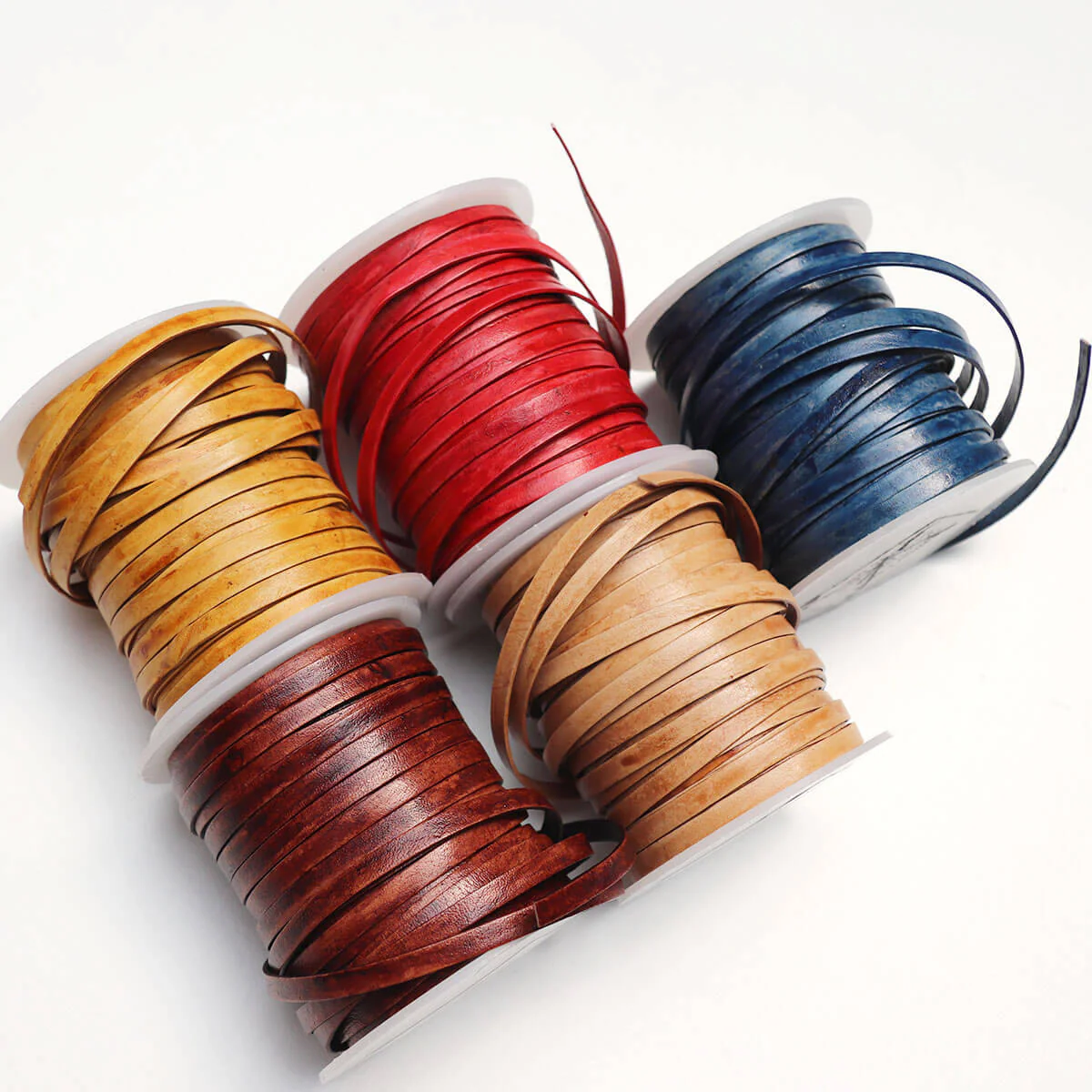
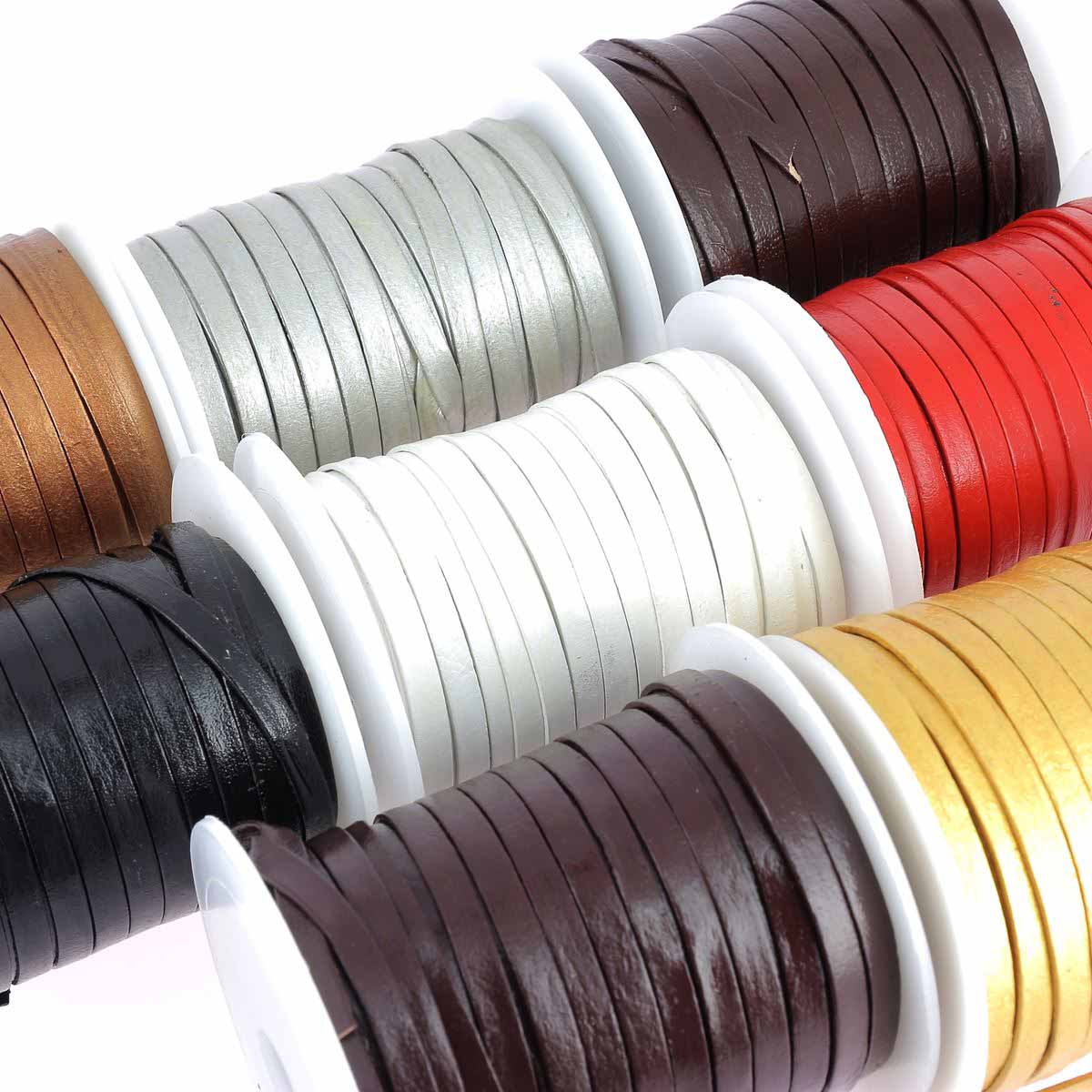
Pigmented leather gives a clear, often more "uniform" finish. Dyed leather, on the other hand, can show more nuances and depth. Depending on the references, you can also find shinier, more matte, or more "aged" finishes. This detail matters, especially on jewelry or a visible closure: the lace becomes a style element, not just a tie.
Uses of leather laces in jewelry, shoemaking, and leather goods
The same leather cord can be used for anything... but not with the same result.
- Leather goods (lacing/braiding): the lace is subject to long-term stress. Flexibility aids in threading. The leather's structure determines its resistance to deformation.
- Shoemaking and footwear: the leather works in contact with eyelets and knots. Resistance to friction and the ability to bend without marking play a central role.
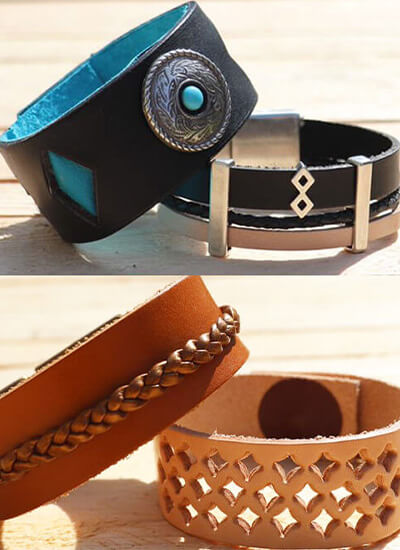
- Jewelry (bracelet, necklace...): visual appearance is paramount. The regularity of the diameter, the stability of the shade, and compatibility with tips, clasps, and rings determine the final look.
And if your project is more akin to a textile cord (flexible, round, pleasant to knot), the Deco Cuir range also includes waxed cotton cords: several diameters, several colors, with a tight braid and a wax coating that improves durability.
Accessories and tools for a controlled finish
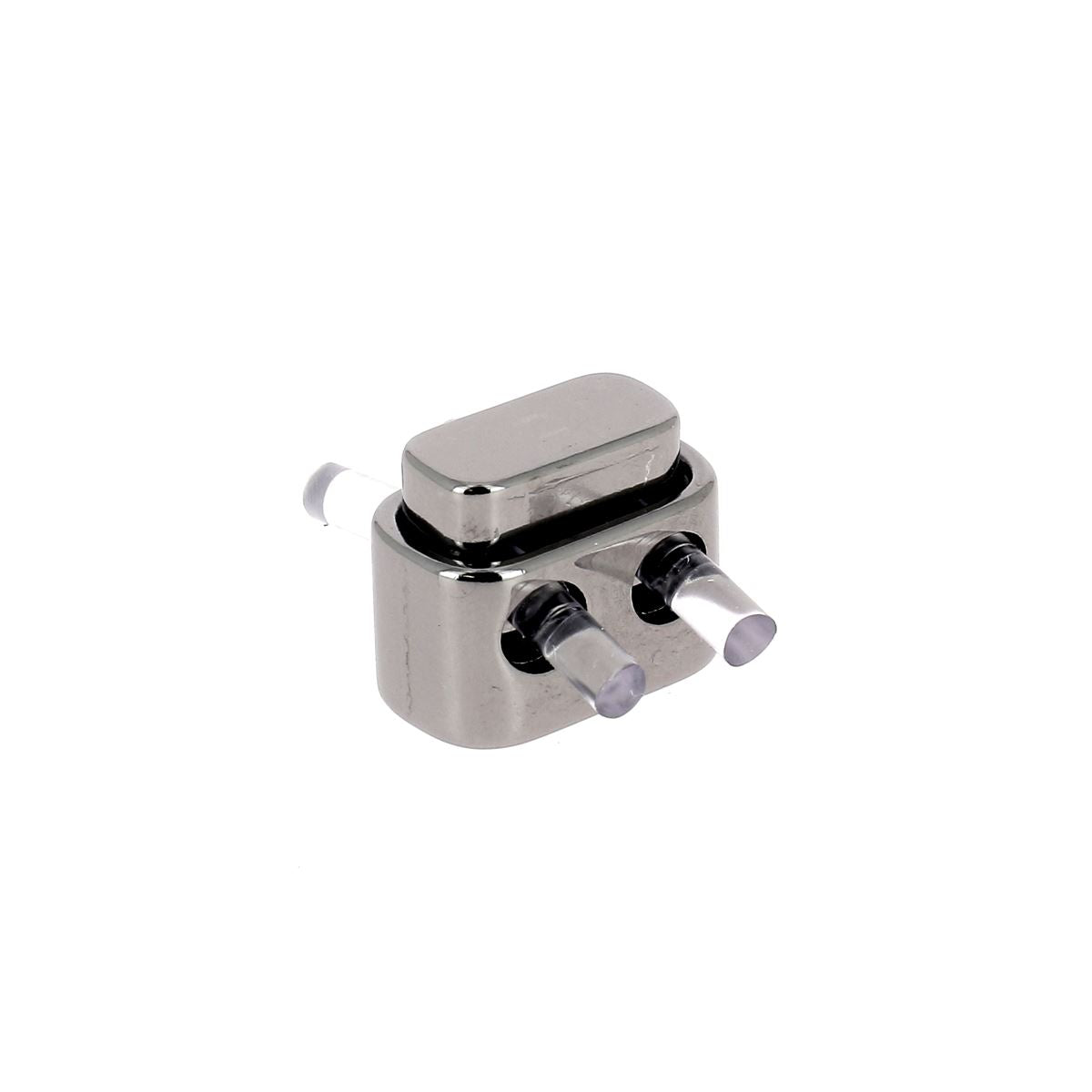
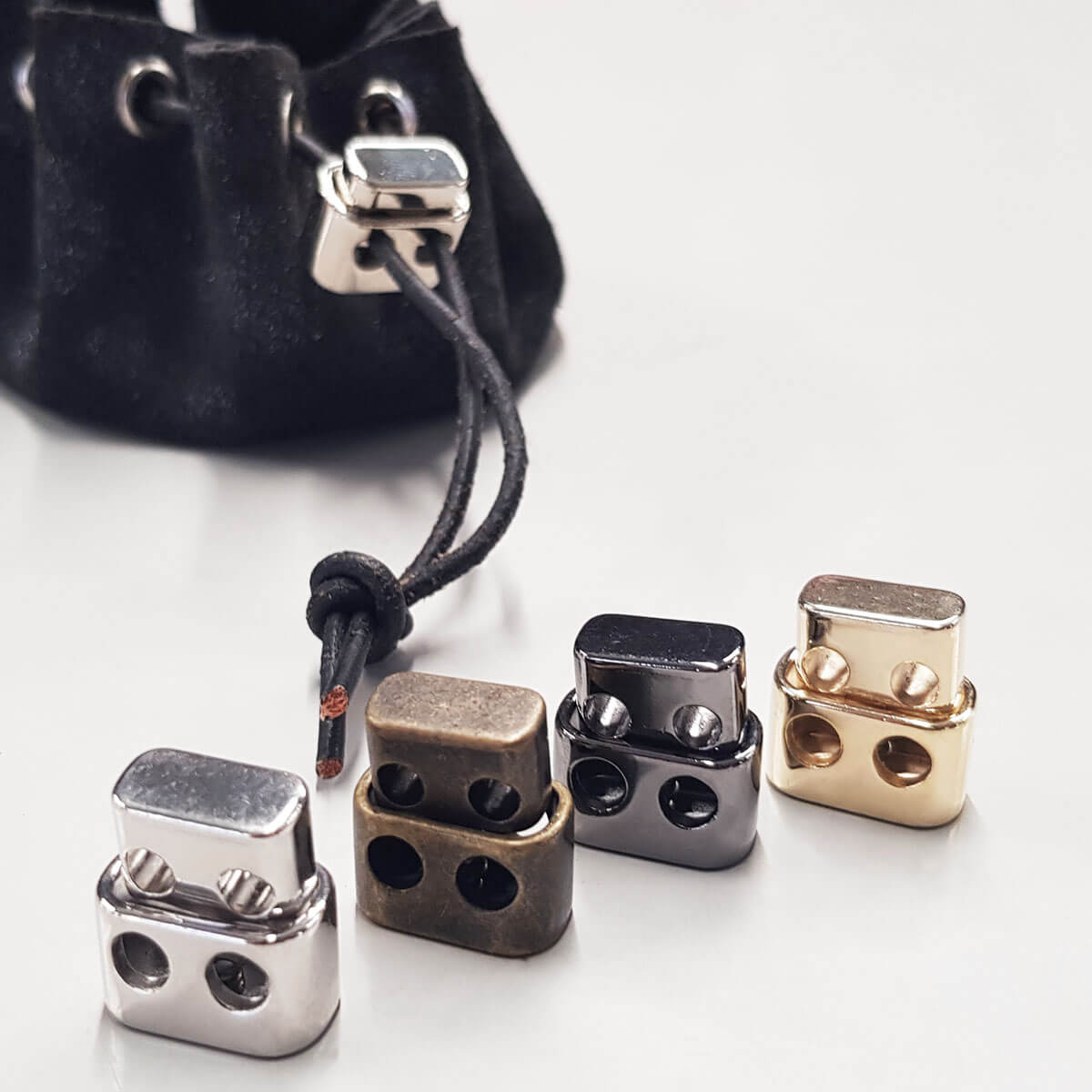
A well-chosen lace deserves a neat finish. In this category, you'll also find what you need to secure and embellish your assemblies: end caps, lace guides, hooks, lace stop clasps, as well as lace needles and punching forks for regular lacing. You save time, and your result immediately looks more "clean."